24,064 CUDA cores—that’s the core count industry sources say Nvidia is targeting for its upcoming RTX 5090 Ti, a figure that would surpass the 16,384 cores in the current RTX 5090 by nearly 50%. If confirmed, this would mark the first time Nvidia has doubled the core count of its flagship GPU since the RTX 4090’s launch in 2022. But the real question isn’t just about raw power—it’s about whether such a card can break free from the memory and manufacturing constraints that have stifled mid-range GPUs this year.
Current benchmarks suggest the RTX 5090 Ti could deliver roughly 2.5x the raw compute performance of the RTX 5090 in synthetic tests, though real-world gains in gaming and AI workloads would likely be closer to 1.8x–2x due to architectural inefficiencies. The leap from 24GB to 48GB of GDDR7 memory—double the current flagship—would also make it the first consumer GPU to rival professional-grade VRAM capacity, though at a fraction of the Pro 6000’s $9,000 price tag.
The memory upgrade alone is a gamble. GDDR7 shortages have already forced Nvidia to discontinue the RTX 5070 Ti and limit production of the RTX 5060 Ti, with the 16GB RTX 5080 now serving as the only viable mid-range option. A 48GB variant would require a massive allocation of scarce memory chips, raising the possibility of delays or even a shelved launch if supply chains remain unstable.
Pricing expectations paint an even starker picture. The RTX 5090 launched at $1,999, but today’s market prices hover around $2,500–$3,000 due to inflation and resale demand. A 48GB RTX 5090 Ti, with performance closer to the Pro 6000 than the current consumer card, could easily exceed $5,000 at launch—positioning it as a niche product for 8K gaming, AI rendering, or high-end workstation use cases. By comparison, the RTX 4090 Ti, which was canceled before release, was rumored to cost upward of $4,000, making the 5090 Ti’s potential price a natural evolution of Nvidia’s high-end strategy.
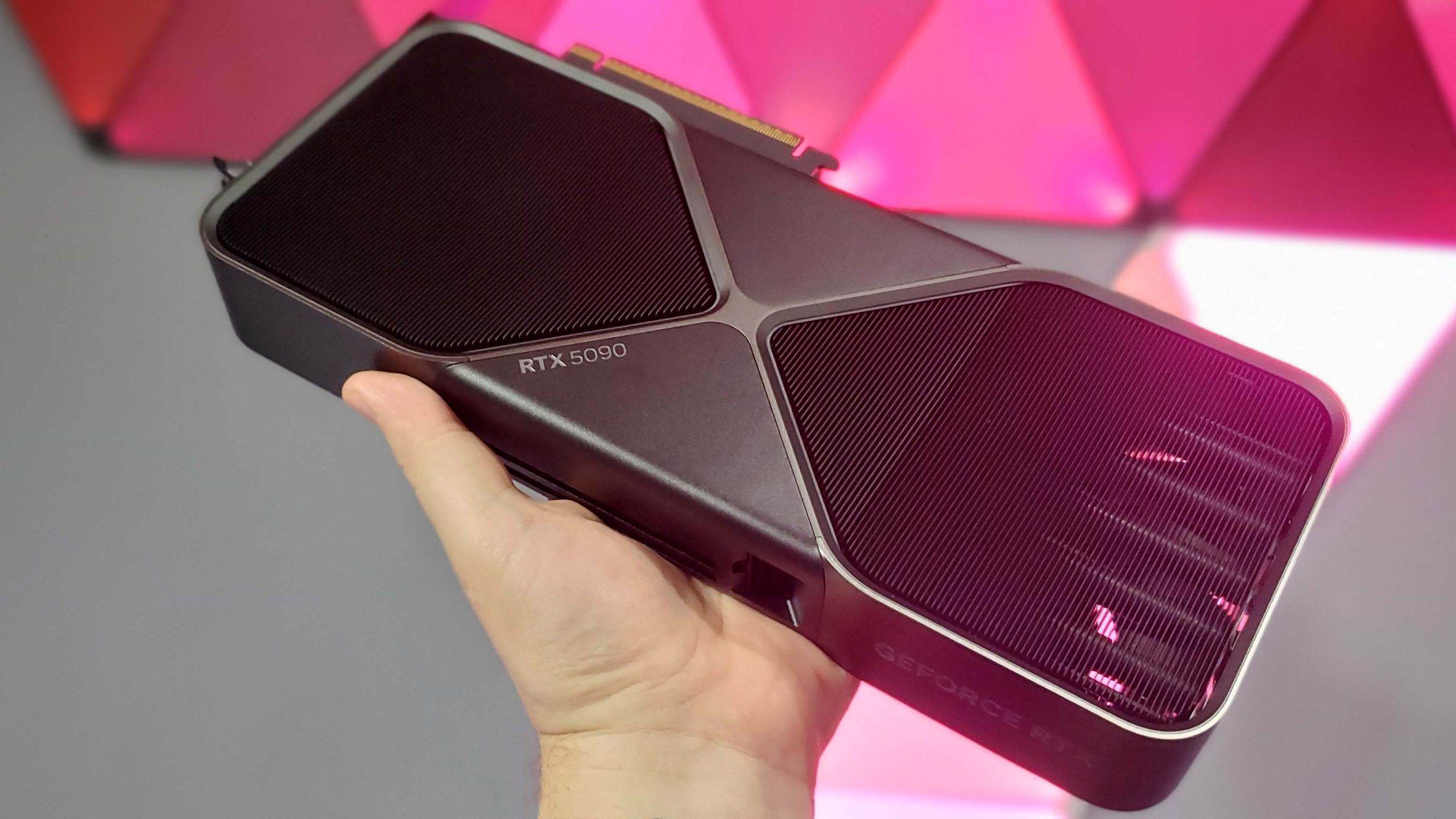
This isn’t just about specs—it’s about market segmentation. Nvidia has already deprioritized the mid-range segment, with the RTX 5070 Ti effectively dead and the RTX 5060 Ti being phased out in favor of the RTX 5080. The RTX 5090 Ti would further widen the gap between enthusiast and mainstream buyers, leaving a void in the $1,000–$2,000 range that AMD and others might exploit. Meanwhile, the rumored Blackwell Titan AI GPU—potentially a rebranded or upgraded version of the 5090 Ti—could blur the lines between consumer and professional markets, offering AI acceleration at a price point that’s still prohibitive for most.
The bigger question is whether this strategy will pay off. The RTX 4090 Ti’s cancellation suggests Nvidia is cautious about overcommitting to unproven markets, but the Blackwell rumors indicate a long-term bet on AI-driven demand. If the RTX 5090 Ti arrives as expected, it won’t just be a new GPU—it’ll be a test of whether Nvidia can sustain a two-tiered market where the majority of buyers are locked out of the high-end while the top 1% gets every upgrade. For now, the only certainty is that the GPU landscape is about to get more expensive—and more exclusive.
The arrival of such a card would also force a reckoning with the rest of the RTX 50 series. With no clear roadmap for mid-range updates and the RTX 5060 Ti’s 16GB model being dropped, the 5090 Ti’s launch could signal the end of incremental upgrades. Instead of smaller, incremental jumps, Nvidia may be doubling down on flagship performance, leaving the rest of the lineup to stagnate. For buyers who can’t afford $5,000 for a GPU, that could mean years of waiting for meaningful improvements—or turning to AMD’s more aggressive pricing strategy.