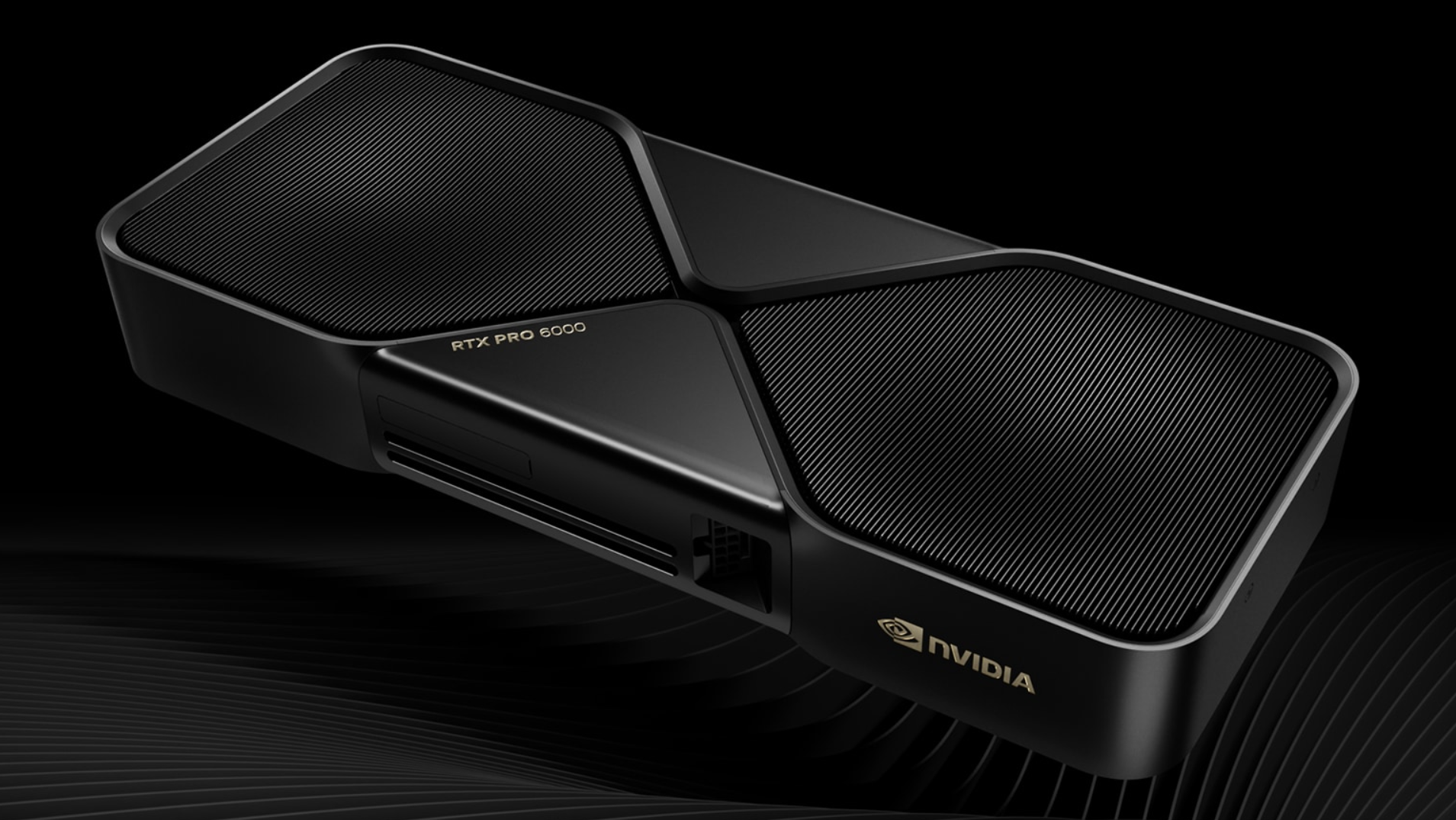
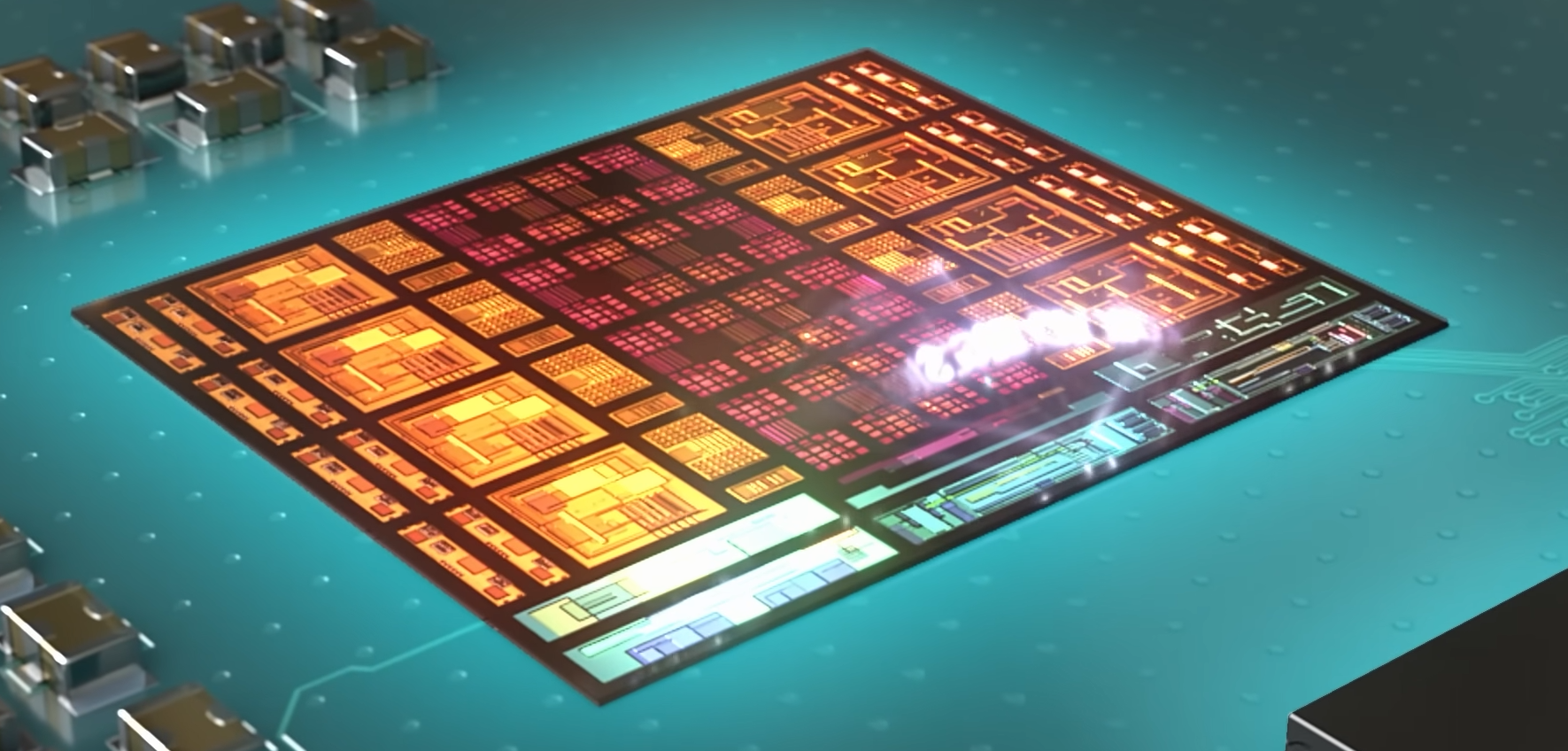
NVIDIA’s upcoming GPU architecture is set to redefine what real-time graphics can achieve. The company’s roadmap suggests that future hardware will not only accelerate path tracing by an unprecedented factor but also integrate AI in ways that blur the line between performance and quality. For PC builders, this means a fundamental shift: path tracing could soon be as commonplace as rasterization, no longer confined to demos or high-end setups.
Gaming: The Game Changer
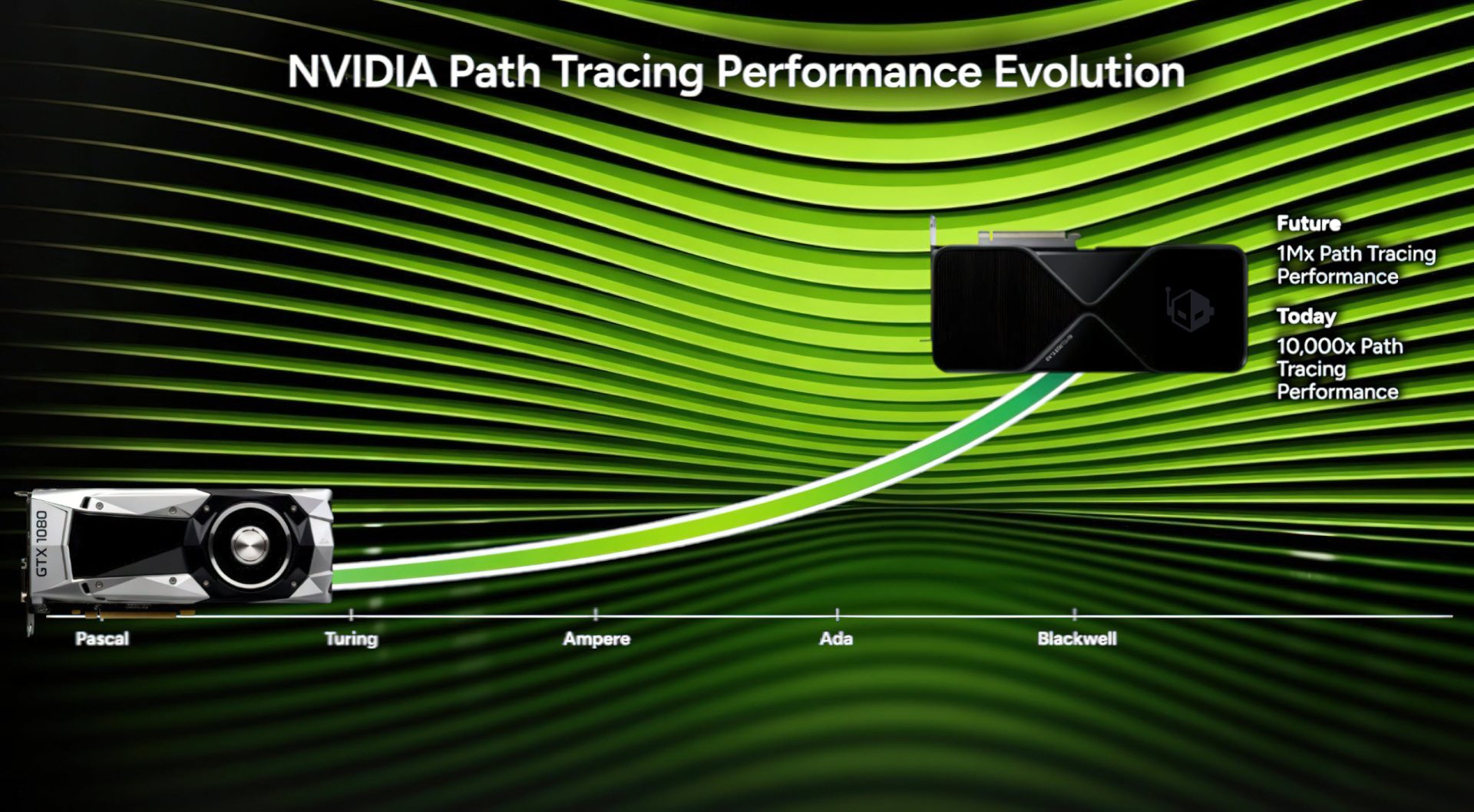
- Path Tracing Performance: A millionfold speedup compared to current GPUs, allowing path tracing to run smoothly in most games at native resolution without frame rate drops.
- DLSS 4 with Frame Generation: AI-driven frame interpolation that can effectively double FPS in supported titles, maintaining visual fidelity while reducing GPU load.
- NVIDIA Reflex: Expanded low-latency mode, promising near-instantaneous response times across a broader range of competitive games.
Gamers stand to benefit the most from this advancement. Path tracing has long been a visual spectacle, but its practicality has been limited by performance costs. With these improvements, it could transition from an optional ‘wow’ feature into a standard expectation—delivering cinematic lighting in every scene without compromising playability.
Creators and Workstations: A Productivity Shift
- Real-Time Global Illumination: Path tracing performance will enable 3D artists to simulate complex lighting scenarios instantly, slashing render times from hours to seconds.
- AI-Assisted Rendering: NVIDIA’s AI tools will allow creators to preview intricate lighting setups in real time, then refine with traditional path tracing when precision is required.
For professionals, the implications extend beyond aesthetics. The ability to iterate in real time could revolutionize workflows, drastically reducing project timelines. However, this shift may also introduce challenges—such as balancing AI-assisted guidance with manual creative control—a transition that won’t be universally welcomed.
Everyday Use: Beyond Gaming
- Battery Efficiency: AI upscaling techniques could reduce GPU power consumption, potentially extending battery life in laptops without sacrificing visual quality.
- Power Consumption: Lower wattage requirements for high-end performance, making future GPUs more accessible for mid-range systems and mobile setups.
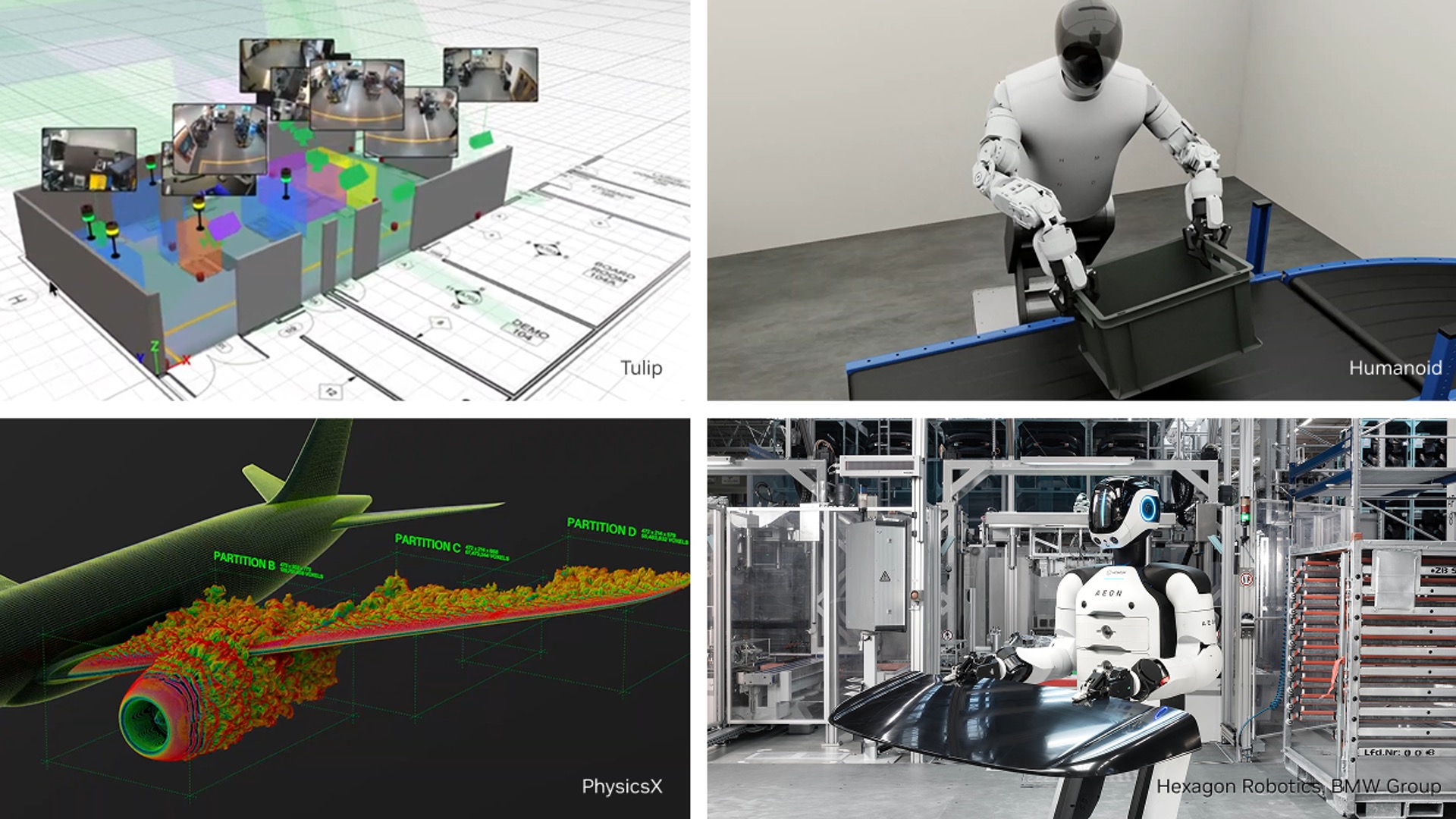
The impact isn’t limited to gaming. Efficient path tracing could redefine how applications handle lighting—from architectural visualizations to scientific simulations. The hurdle will be convincing developers to adopt these techniques without alienating users who still prefer traditional rasterization, ensuring a smooth transition for end-users.
Key Specifications (Confirmed)
- Path Tracing Performance: 1,000,000x improvement over current hardware using RTX and AI acceleration.
- DLSS 4 with Frame Generation: AI-driven frame interpolation for up to double the FPS in supported games.
- NVIDIA Reflex: Expanded low-latency mode with reduced input lag across more titles.
The exact hardware details remain under wraps, but the direction is clear: NVIDIA aims to make path tracing as seamless and accessible as rasterization. This isn’t just about raw speed—it’s about integrating AI in a way that feels natural, becoming an invisible yet integral part of how graphics are rendered.
The Bottom Line
This isn’t merely another performance milestone; it’s a redefinition of real-time graphics. For PC builders, the question isn’t whether to upgrade—it’s when. The moment path tracing becomes practical is arriving sooner than anticipated, and those who embrace this shift early will experience a transformation that goes beyond benchmarks, reshaping how games and applications are created and consumed.