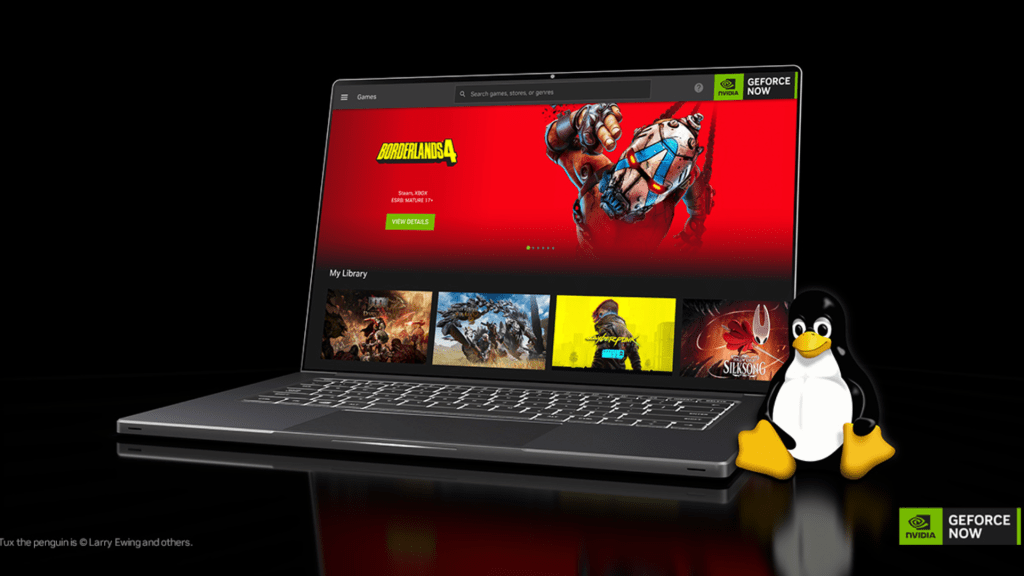
Nvidia has quietly expanded its GeForce Now cloud gaming platform to Linux desktops, introducing a native application that pushes the limits of streaming performance—though with some critical tradeoffs. The new app delivers 5K resolution at 120Hz or 1080p at 360Hz, a significant leap from the previous browser-based version, which was capped at 1200p and 90Hz. However, achieving these extremes requires sacrificing one for the other: users cannot stream at both high refresh rates and high resolutions simultaneously.
The shift from browser to a dedicated app is designed to improve stability and reduce latency, particularly for Linux users who previously relied on workarounds like Chrome or Firefox. Nvidia has positioned the app for PCs and notebooks, explicitly excluding the Steam Deck—despite the Deck’s Linux-based SteamOS—where a separate GeForce Now client already exists. Other handhelds like the Asus ROG Ally, Lenovo Legion Go, and MSI Claw continue to receive dedicated support.
Key specs at a glance
- Resolution: Up to 5K (5120x2160) at 120Hz or 1080p at 360Hz (not simultaneously).
- Previous browser limit: 1200p at 90Hz.
- Ultimate tier requirement: $20/month for max settings (assumed, not confirmed by Nvidia).
- Platforms: Linux desktops (new), Steam Deck (existing), Windows, macOS, ChromeOS.
- Excluded: Steam Deck via this app (uses separate client).
For Linux gamers, the update removes a major friction point: browser-based streaming often struggled with controller input lag and inconsistent performance. The native app aims to address these issues, though whether it fully resolves them remains untested by independent reviewers. The 360Hz capability at 1080p is particularly notable, catering to competitive gamers who prioritize smoothness over visual fidelity. However, the 5K/120Hz combo may appeal more to users with large monitors or high-end displays, provided their internet connection can handle the bandwidth demands.
Nvidia’s focus on desktops and notebooks—while sidelining the Steam Deck—suggests a deliberate segmentation of its cloud gaming strategy. The Deck’s existing app is optimized for handheld play, while the new Linux desktop app targets traditional PCs. This approach risks fragmentation, as users may need to switch between clients depending on their device. For now, the update is a win for Linux desktop users seeking higher refresh rates, but the tradeoff between resolution and frame rate could limit its appeal for some.
Availability for the Linux app has not been confirmed, though Nvidia’s track record suggests it will roll out gradually. The $20 Ultimate tier remains the likely gateway to these advanced settings, though Nvidia has not explicitly stated whether lower tiers will see any improvements.