NVIDIA has unveiled the Feynman architecture, a groundbreaking advancement in GPU power distribution that significantly increases the density of power components within a single unit. Compared to the Blackwell architecture it replaces, Feynman packs up to 17 times more semiconductor content, reaching a total value of $191,000. This is not merely an incremental improvement but a fundamental reimagining of how GPUs handle power at scale.
The core innovation lies in the adoption of 800V DC architectures, which enable more efficient power delivery while reducing the physical space required for cooling and voltage regulation. Traditional GPUs typically operate on lower voltage rails, often around 12V or less, necessitating larger heat sinks and more intricate PCB layouts to manage thermal output. Feynman flips this paradigm by utilizing higher voltage rails, allowing for thinner, lighter power delivery modules that fit within the compact confines of modern GPU designs.
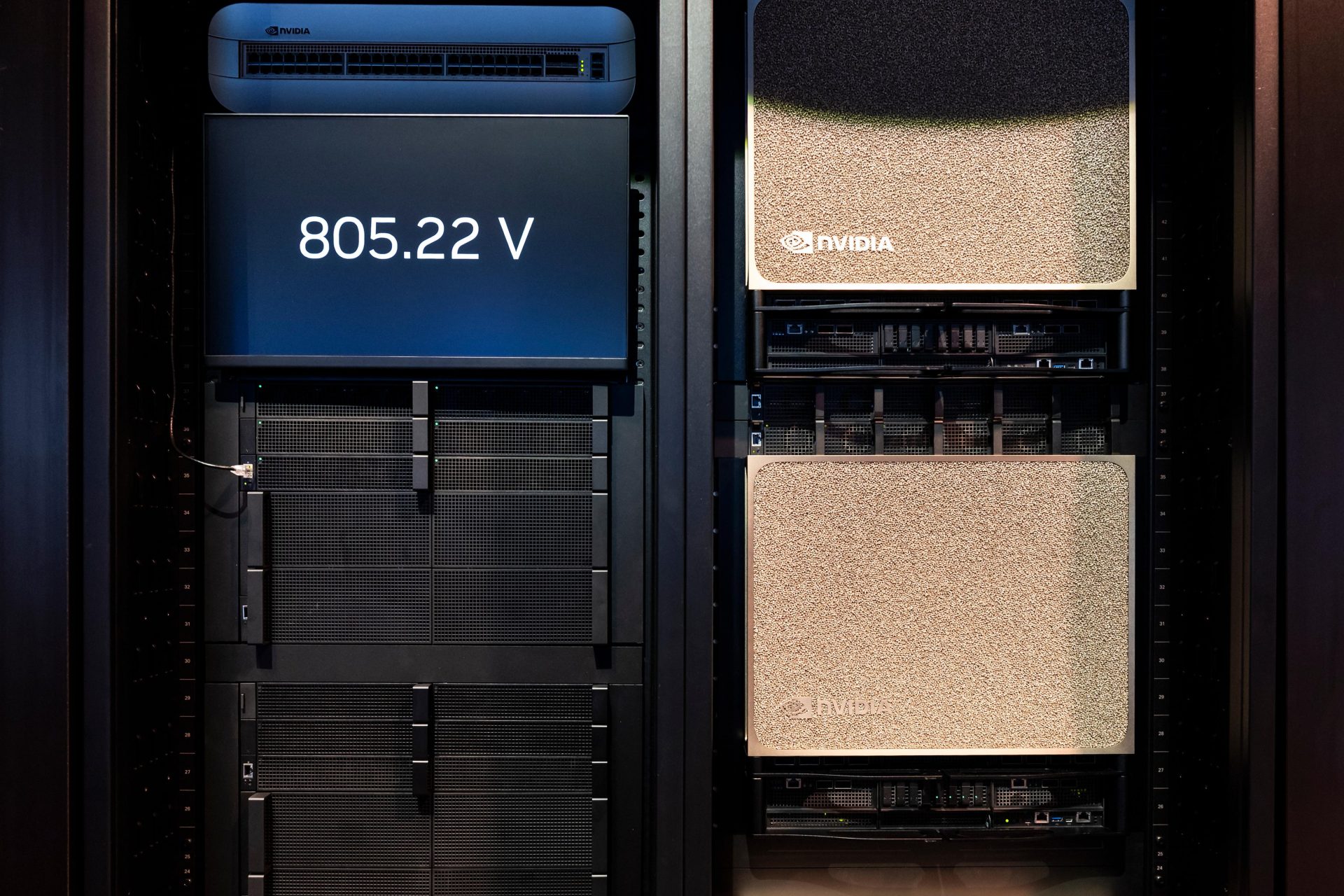
However, this transition is not without its challenges. Higher voltage systems introduce new failure modes, such as arcing or insulation breakdown, which must be carefully managed through advanced packaging techniques and real-time monitoring. While NVIDIA appears to address these issues, the long-term reliability of 800V components remains a critical question for the industry.
The impact on PC builders is substantial. A GPU with this level of power semiconductor integration could drastically reduce the need for external power delivery units or auxiliary cooling solutions, simplifying system design while pushing performance boundaries. However, the cost and complexity of these components may limit their immediate adoption in consumer markets, making them more likely to appear first in high-end workstations or data center environments where power efficiency is a top priority.
Looking ahead, this architecture could set a new standard for GPU design, potentially influencing other manufacturers to adopt similar approaches. For now, the Feynman architecture stands as a testament to NVIDIA's commitment to pushing the boundaries of efficient and powerful computing solutions.