NVIDIA’s DLSS 5 marks a pivotal moment in real-time rendering by embedding generative AI directly into the geometry stage of the graphics pipeline. This departure from post-processing upscaling aims to eliminate visual inconsistencies that plagued earlier versions, particularly in demanding titles where traditional methods struggled to maintain fidelity without noticeable artifacts.
The shift to geometry-level control allows developers to shape textures, lighting, and other visual elements before they reach the screen. Unlike previous iterations of DLSS, which relied on post-processing enhancements, this approach ensures that AI-driven improvements align more closely with the original artistic intent. However, this change introduces a new layer of complexity for both developers and hardware teams, as it requires deeper integration into existing rendering workflows.
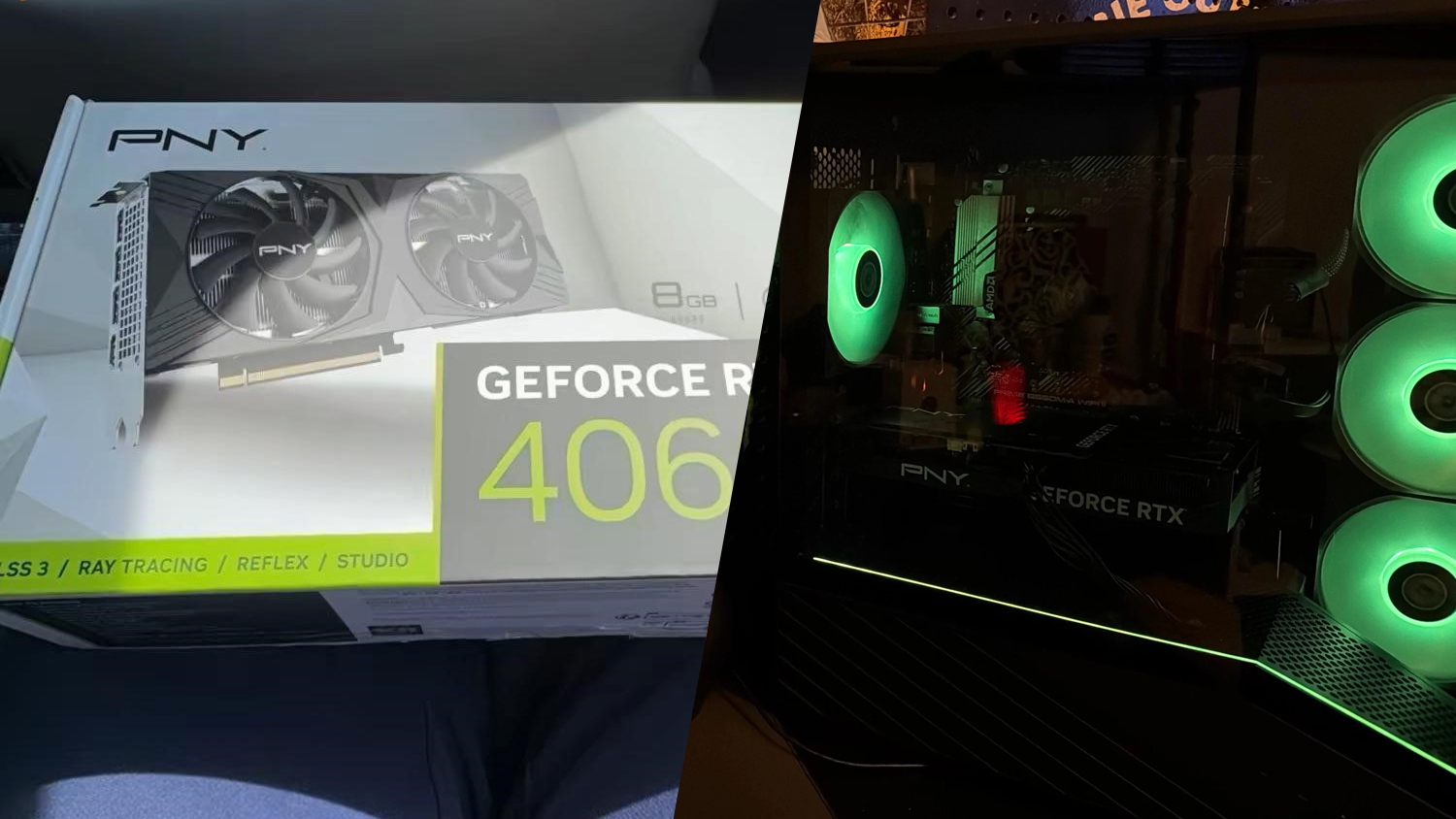
For IT professionals managing high-performance systems, DLSS 5 presents an opportunity to extend the lifespan of mid-range GPUs like the RTX 5070 and RTX 5060. By offloading more complex rendering tasks to AI, these cards can handle demanding workloads with reduced computational strain. Yet, the necessity for developers to explicitly adopt this technology means that not all games will immediately benefit from its advantages. Those evaluating hardware upgrades must consider whether DLSS 5’s capabilities justify potential platform dependencies, especially if their current setups rely on traditional rendering pipelines.
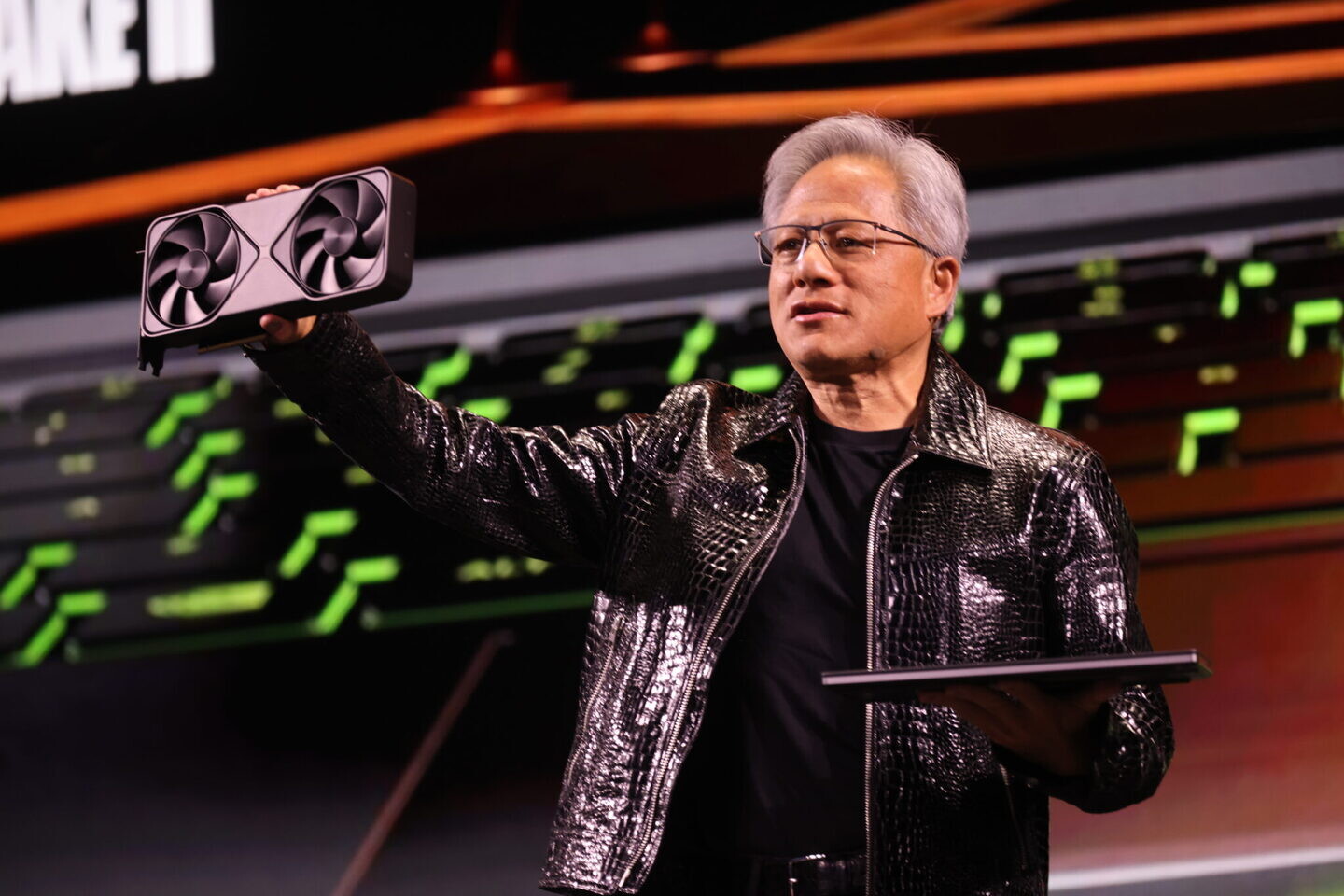
The update is designed to coexist with established upscaling methods such as DLSS 4.5 and AMD’s FSR, providing gamers with flexibility depending on their priorities. Users focused on performance can default to older versions, while those prioritizing visual fidelity can explore the new features. This dual approach mitigates the risk of alienating users who prefer native rendering but also introduces a learning curve for early adopters seeking to maximize DLSS 5’s potential.
Beyond gaming, this evolution in neural rendering could set a precedent for AI-driven enhancements across industries that rely on real-time graphics. The integration of generative control at the geometry level represents a fundamental rethinking of how AI can enhance traditional pipelines without sacrificing quality or performance. As DLSS 5 rolls out, its impact on both developer workflows and hardware capabilities will be closely watched.