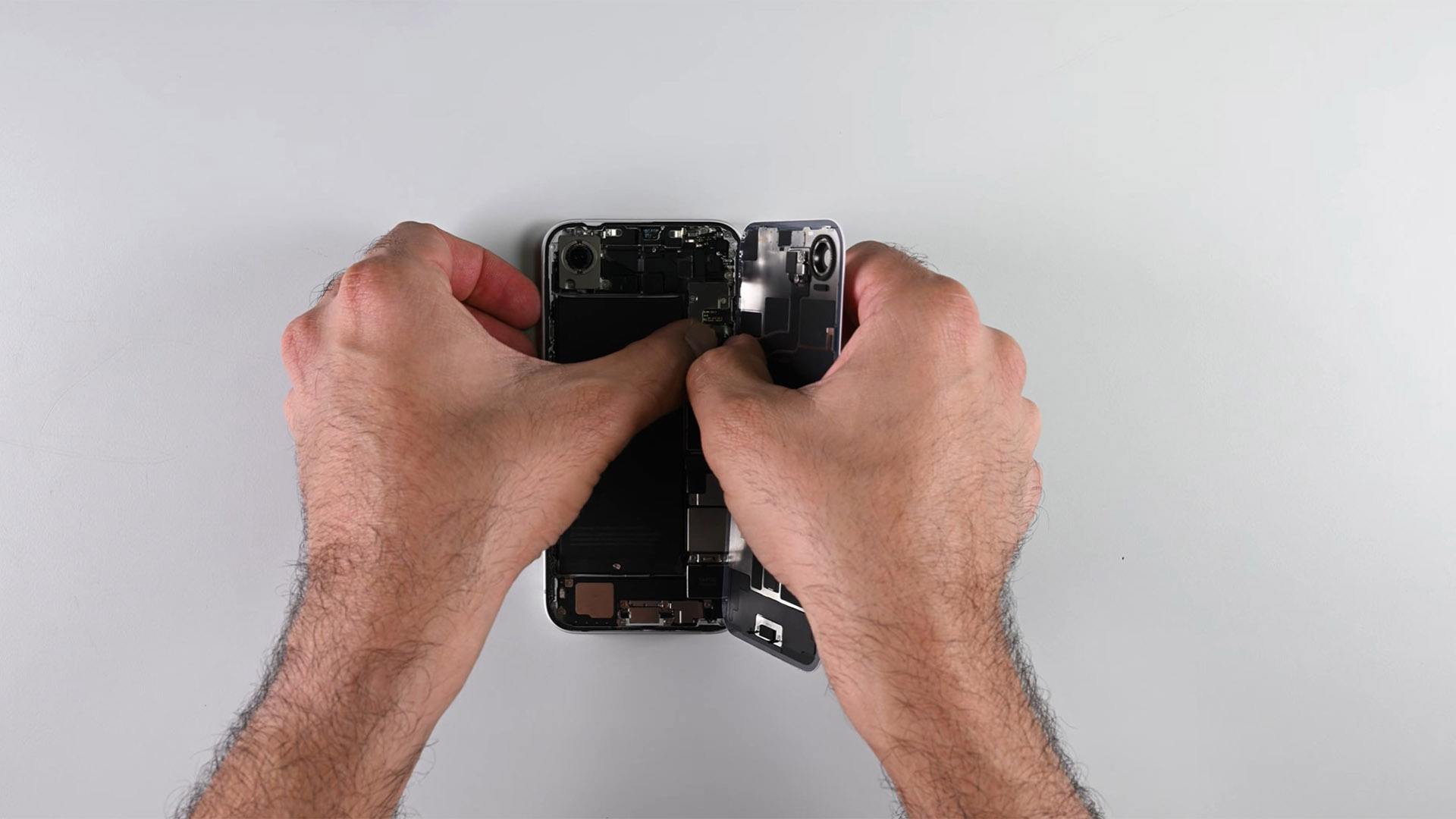
The iPhone 17e marks a significant departure from Apple’s traditional approach to MagSafe integration. Unlike previous models that required soldering or adhesive, this version features a removable MagSafe module that can be attached in minutes without tools or lasting changes to the device. This modular design is not just about convenience; it hints at a broader rethinking of how accessories are built into iPhones, potentially streamlining production while giving users more flexibility.
Key Specifications and Design Changes
- MagSafe Module: A detachable component that clips into a dedicated slot without adhesive or soldering. It remains compatible with existing MagSafe chargers and cases.
- Housing Material: A combination of aluminum and polymer, with the MagSafe module embedded in a non-metallic frame to prevent interference.
- Battery Capacity: 3,250 mAh (unchanged from the iPhone 16e), but optimized for thermal management due to the new module placement.
- Charging Speed: Up to 27W with MagSafe, matching previous models, but with improved heat dissipation when the module is attached.
The detachable MagSafe design introduces both advantages and trade-offs. On one hand, users can replace a damaged module without affecting the rest of the device. On the other, the slot where the module sits becomes an additional point for dust or debris if not properly sealed. This could slightly increase production costs due to the added complexity, though Apple may mitigate this with higher manufacturing volumes.
Implications for Creators and Power Users
For creators and power users who rely on stable MagSafe connections—whether for charging or accessories like the iPhone 17 Pro’s camera module—the detachable approach offers a new level of durability. If the module wears out, it can be replaced without replacing the entire phone. However, this also means the slot must be carefully maintained to avoid issues with dust or debris.
Apple has historically favored tightly integrated systems for longevity and performance. This shift toward modularity could signal a broader trend toward more user-serviceable iPhones, though it remains unclear whether this will extend to other components like batteries in future models. For now, the 17e’s MagSafe module is a clear win for those who prioritize adaptability over permanence.
The iPhone 17e is expected to launch later this year, with pricing and availability yet to be confirmed. If this modular approach gains traction, it could influence how other tech companies design accessories in the future, potentially setting a new standard for user flexibility in smartphone hardware.