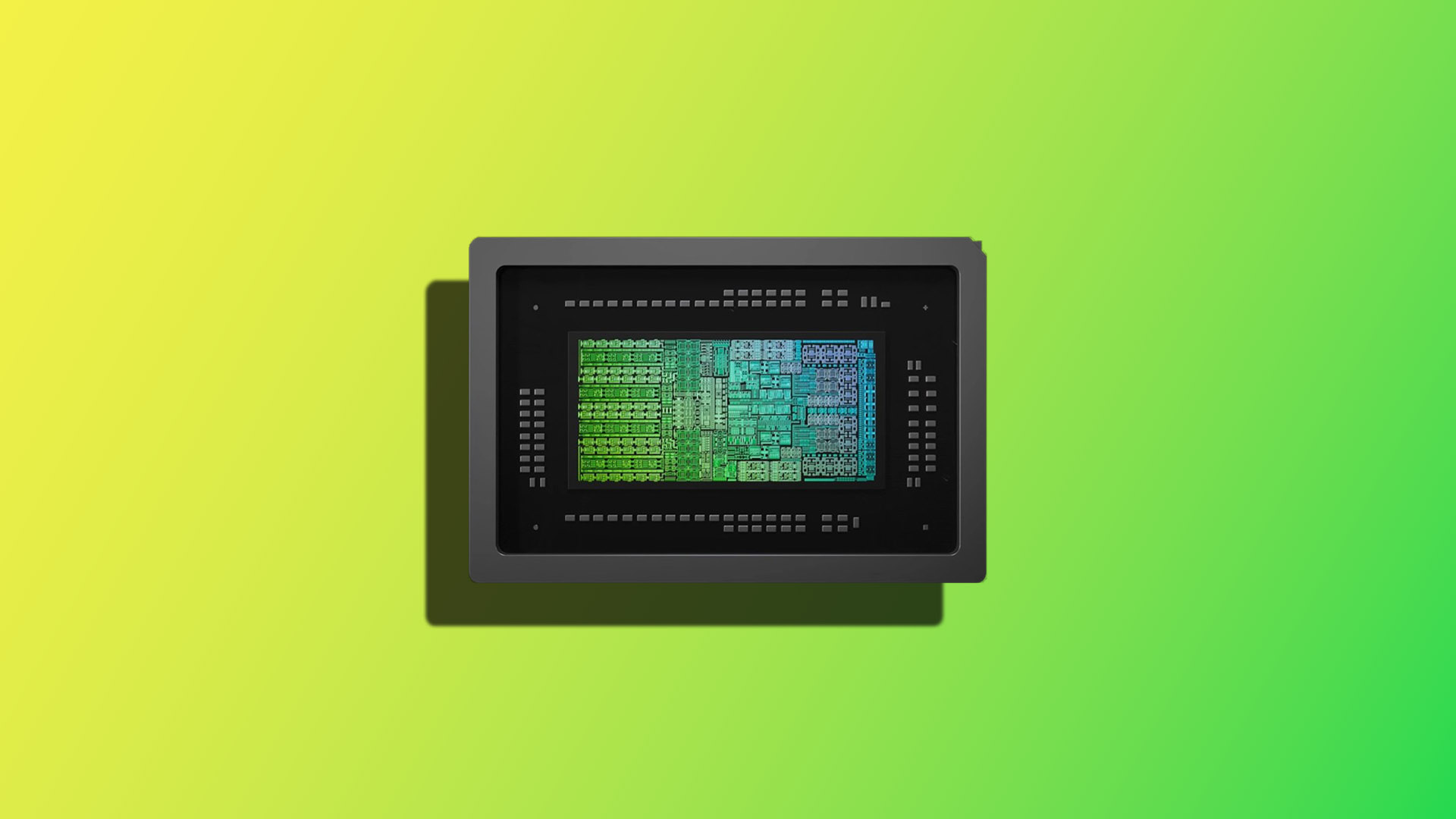
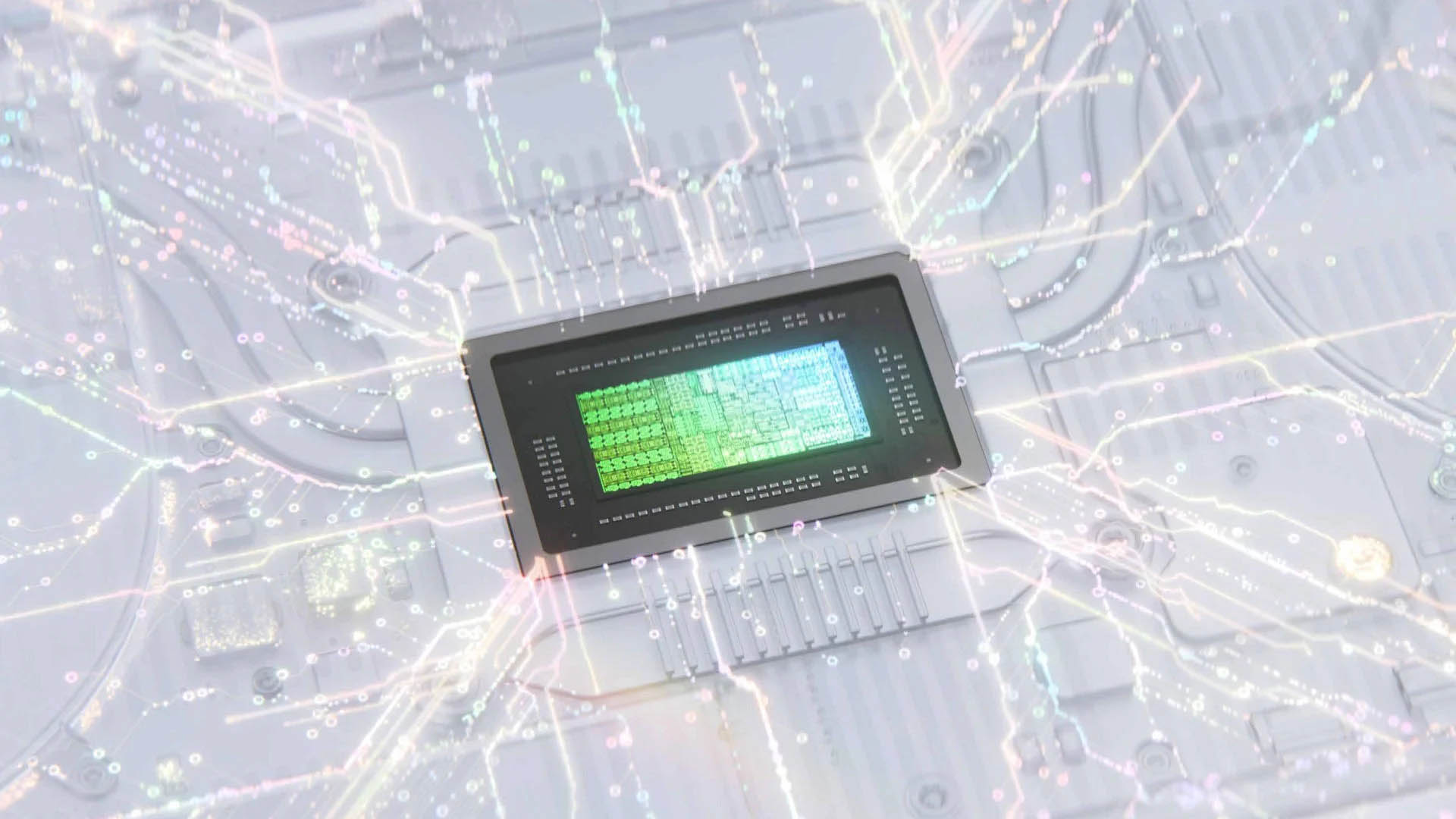
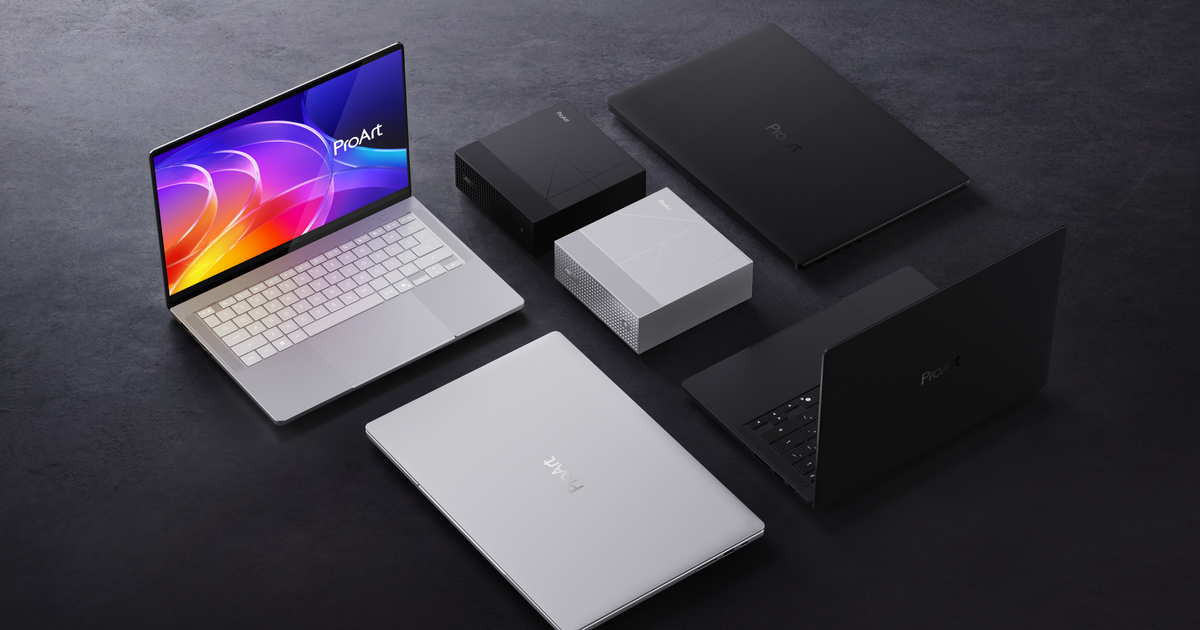
Nvidia’s latest RTX Spark chip is designed to redefine efficiency in laptops for small businesses running AI workloads. Unlike traditional GPUs that prioritize raw power at the cost of heat and battery life, this chip balances performance with thermal management—something engineers say could reshape how mobile AI systems are built.
The RTX Spark integrates 12GB GDDR6 memory and a custom CUDA core architecture tuned for agentic AI tasks. It clocks in at 3.5 GHz with DLSS 4 support, but the real standout is its thermal design: Nvidia claims it runs up to 10°C cooler than comparable chips under sustained loads. For small teams juggling local AI models, that could mean longer battery life without sacrificing speed.
Why It Matters
Small businesses often face a choice between portability and performance when adopting AI tools. The RTX Spark aims to bridge that gap by embedding high-end AI capabilities into laptops without the usual bulk or heat dissipation issues. Engineers note that traditional GPUs push laptops toward enterprise-grade cooling systems, which are impractical for mobile setups.
Key Specs
- Chip: Nvidia RTX Spark (CUDA architecture)
- Memory: 12GB GDDR6
- Clock Speed: 3.5 GHz
- AI Features: DLSS 4 support, optimized for agentic AI workloads
- Thermal Design: Up to 10°C cooler under sustained loads (Nvidia claim)
While the chip is still in development, early benchmarks suggest it handles lightweight AI inference tasks—like real-time data analysis or simple agentic workflows—more efficiently than previous generations. However, heavier workloads may still require external GPUs, hinting at a targeted approach rather than a full replacement for desktop-grade AI processing.
Looking Ahead
The RTX Spark could signal Nvidia’s push to democratize agentic AI in mobile environments, but adoption will depend on how manufacturers integrate it without adding cost. For now, small businesses eyeing AI tools should weigh whether the chip’s efficiency gains justify the wait—or if current solutions still fit their needs.