Gaming desktops have long been measured by their ability to push performance limits, but MSI’s new GPU is redefining the benchmark with an AI-centric approach that goes beyond traditional speed metrics. Unlike previous generations that relied on brute-force processing, this GPU uses real-time learning to optimize visual output dynamically, ensuring smoother frame rates and higher fidelity without additional system strain.
The integration of AI isn’t just about delivering more power—it’s about making that power work harder for the user. Whether adjusting to high-refresh-rate displays or maintaining thermal stability under heavy loads, the GPU adapts in ways that were previously only theoretical. This shift represents a move away from static performance curves toward a more fluid, responsive experience.
Redefining Efficiency in a Crowded Market
- AI processors embedded within the GPU architecture for real-time visual enhancements
- Thermal management that prevents throttling even at sustained high loads
- Compatibility with existing systems, with forward-looking adaptability for future demands
The new GPU enters a market where AI integration has become an expectation rather than a differentiator. Competitors have dabbled in AI features, but this iteration takes those concepts further by weaving them into the core architecture. The result is a product that delivers tangible improvements—reduced system strain, richer visuals, and more stable performance under load—without relying on gimmicks or superficial enhancements.
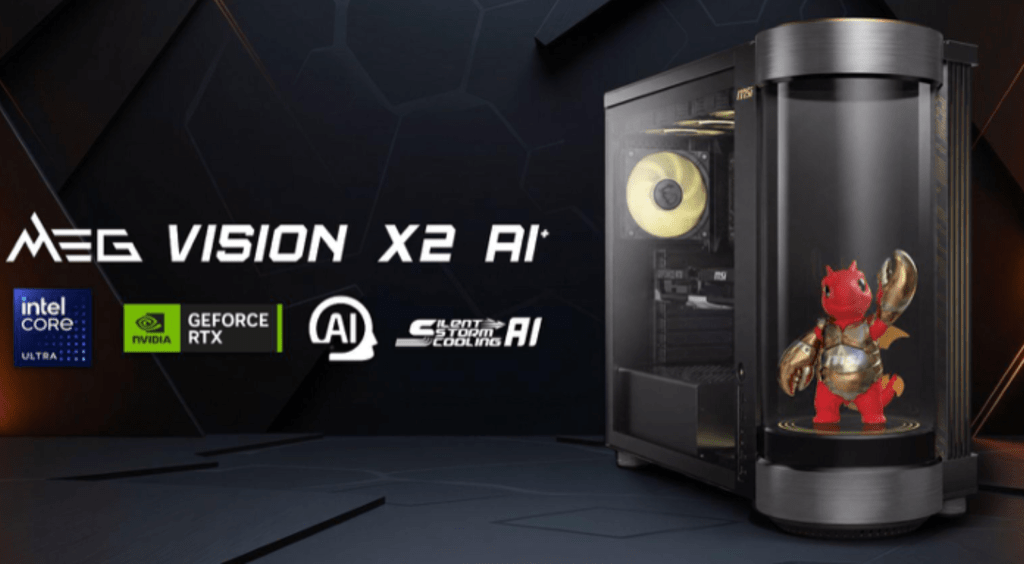
Building for Today and Tomorrow
The focus here isn’t just on immediate performance gains but on long-term scalability. The GPU is designed to handle emerging workloads, from higher resolutions to more complex AI-driven features, without requiring a complete system overhaul. This adaptability ensures that users won’t need to upgrade as frequently, making it a practical choice for those invested in longevity.
In the grand scheme of gaming hardware, this GPU doesn’t promise overnight revolution, but it does signal a quiet evolution toward smarter, more efficient performance. For buyers, the message is clear: raw power remains important, but how that power is optimized will be the defining factor for the next generation of desktop gaming.