ASUS has introduced two new ProArt workstations—the P16 and P14—both leveraging NVIDIA’s RTX Spark architecture. These systems are designed to bridge the gap between high-performance computing and AI-driven workflows, offering a balance that traditional GPU workstations often struggle to achieve.
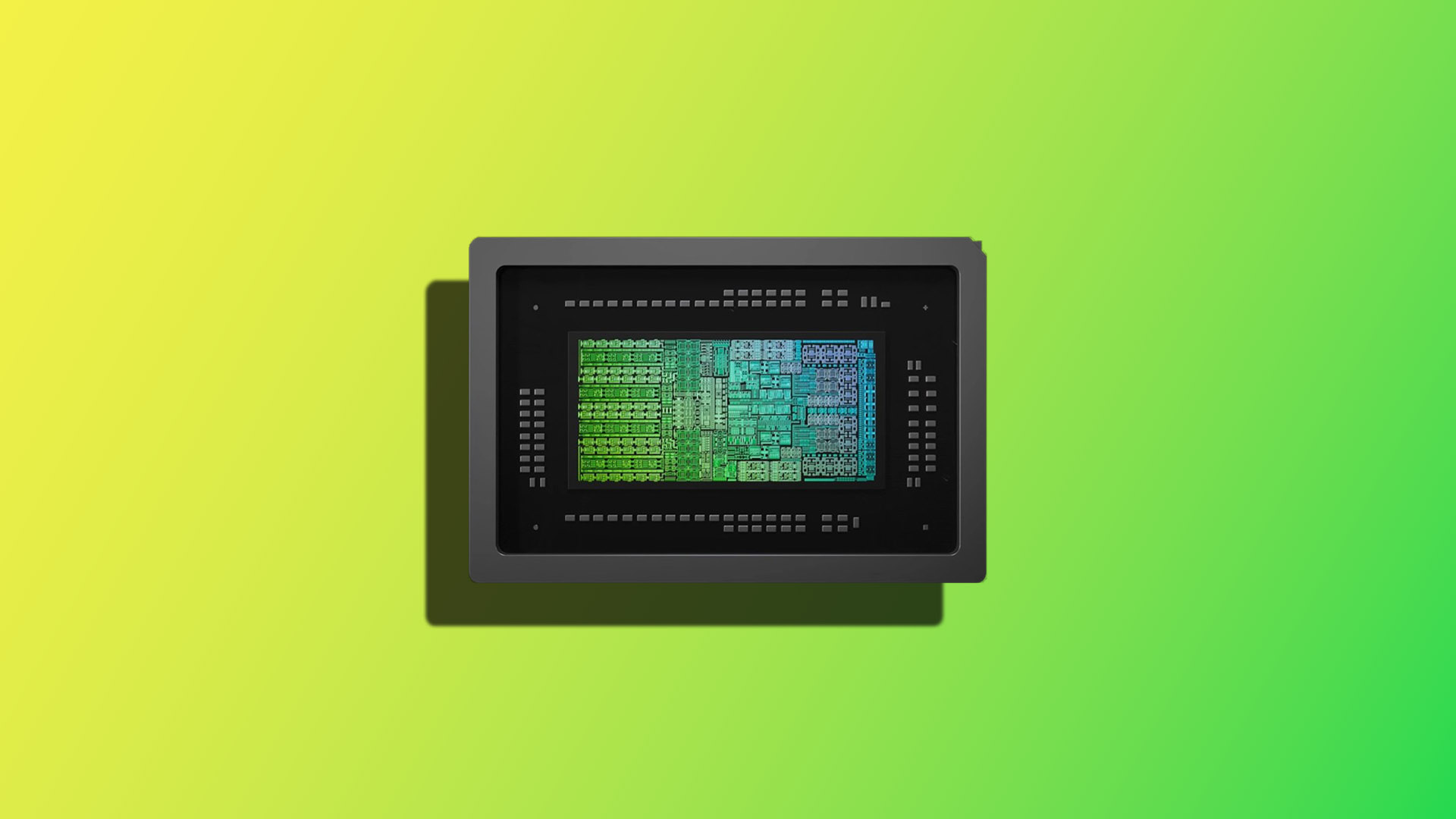
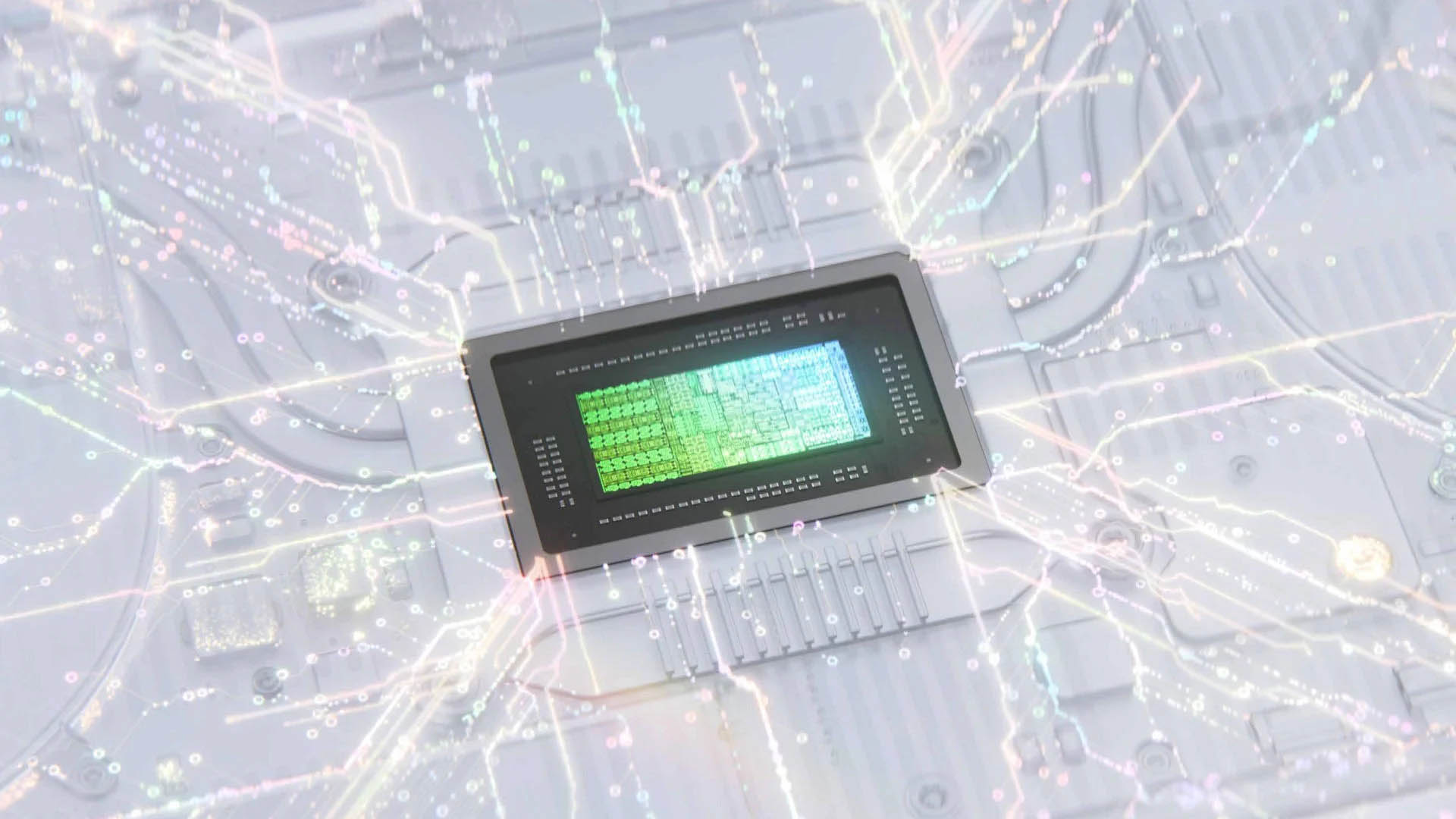
The RTX Spark platform in these machines focuses on integrated AI acceleration without requiring separate discrete GPUs. This shift could lower entry costs for professionals who need real-time rendering or data processing but don’t necessarily require the full power of an NVIDIA RTX Ada Lovelace card. The P16 and P14, however, remain positioned at the high end of the workstation spectrum, catering to users who still demand robust performance.
For designers and engineers working with large datasets or complex simulations, the lack of a traditional GPU could raise compatibility risks. While NVIDIA’s RTX Spark promises efficiency gains, it remains to be seen how these systems handle established CUDA workloads that rely on discrete GPUs. The trade-off may appeal to those prioritizing power efficiency and cost savings over raw performance.
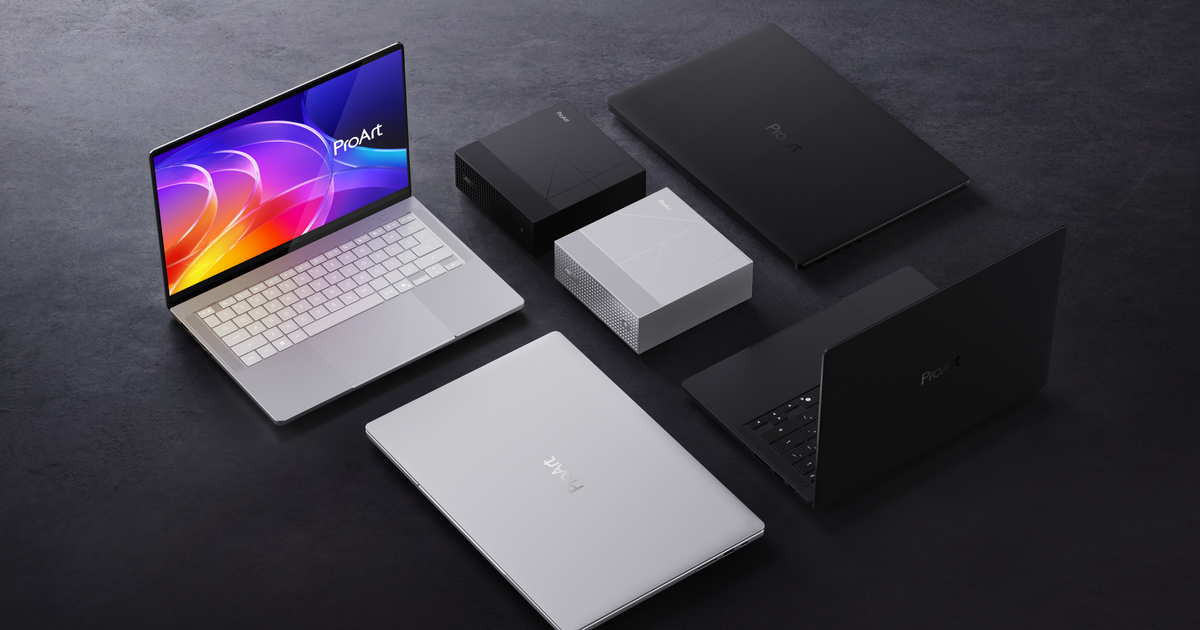
- Display: 16-inch (P16) or 14-inch (P14) OLED touchscreen, 3840x2400 resolution, 144Hz refresh rate
- Processor: Intel Core Ultra 9 series (up to 24 cores)
- Graphics: NVIDIA RTX Spark (integrated AI-accelerated architecture)
- Memory: Up to 128GB LPDDR5X
- Storage: Up to 4TB PCIe Gen 4 SSD
- Connectivity: Thunderbolt 4, USB-C, HDMI 2.1, Ethernet, Wi-Fi 6E
- Ports: Dual USB-A, dual USB-C (Thunderbolt), microSD reader, headphone/microphone combo jack
The P16 and P14’s OLED displays with 144Hz refresh rates are a standout feature, offering high brightness and color accuracy—critical for professional design work. The inclusion of Thunderbolt 4 ensures seamless connectivity for peripherals like external GPUs or storage devices, though the lack of discrete GPU slots may limit future-proofing for some users.
Pricing has not been confirmed, but these systems are expected to position themselves between mid-range workstations and high-end configurations. For teams balancing performance with cost, this could represent a compelling alternative to traditional RTX Ada setups, provided the software ecosystem fully supports the new architecture.