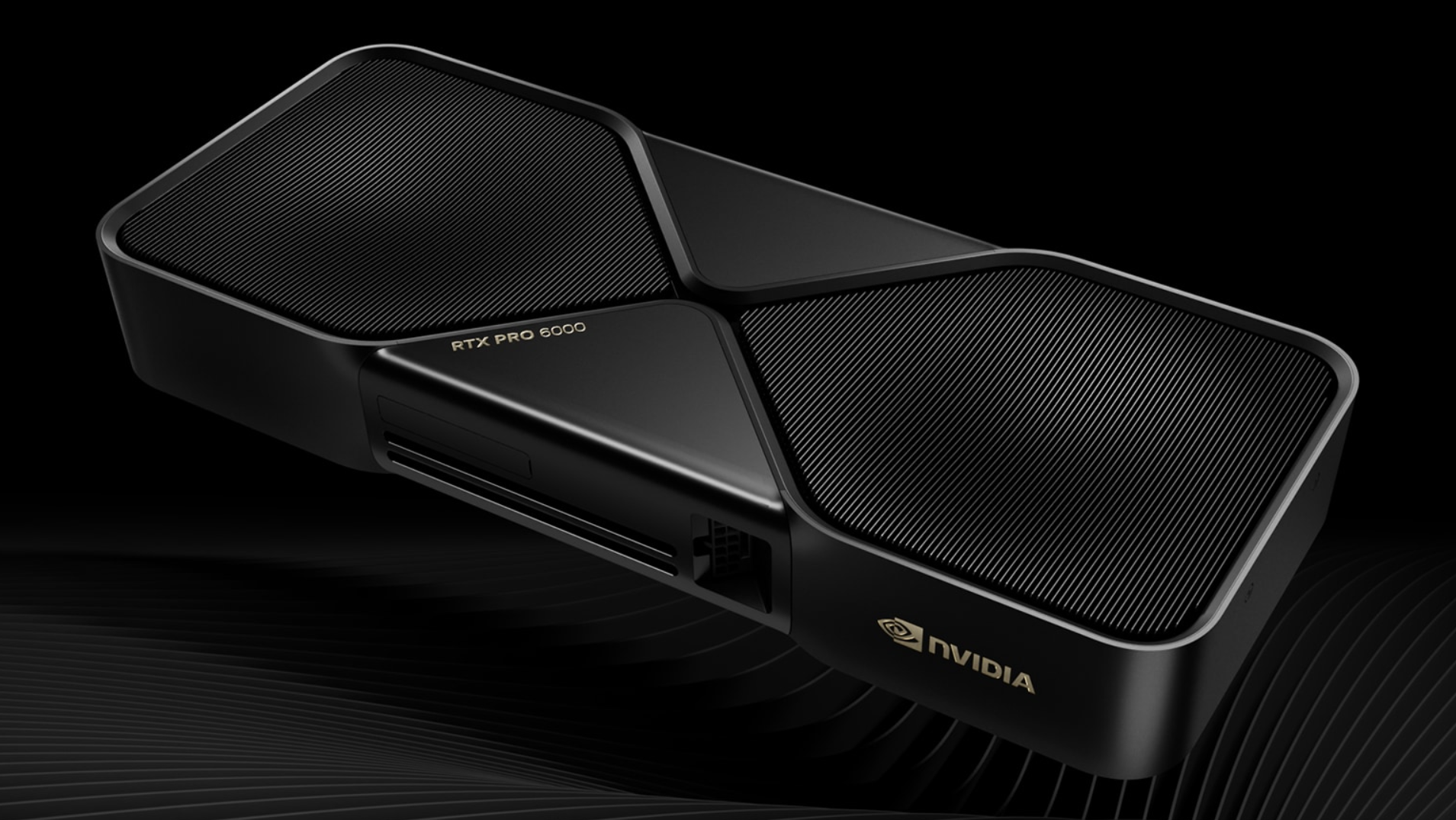
The RTX 50 series marks NVIDIA’s latest push to redefine what entry-level graphics performance can look like. At the heart of this lineup is a focus on efficiency, with GDDR7 memory delivering more VRAM and bandwidth without increasing power draw. This shift isn’t just about raw numbers—it’s about how that extra capacity translates into real-world use, from smoother frame rates in gaming to fewer bottlenecks in creative workloads.
Design-wise, the RTX 50 series continues NVIDIA’s trend of modularity and reuse. The GB206 GPU, used in the 9 GB model, shares its foundation with the higher-tier RTX 5060, allowing manufacturers to leverage existing cooling and power delivery circuits. This approach ensures that budget builds don’t just inherit performance but also benefit from the same level of thermal management and stability as more premium cards.
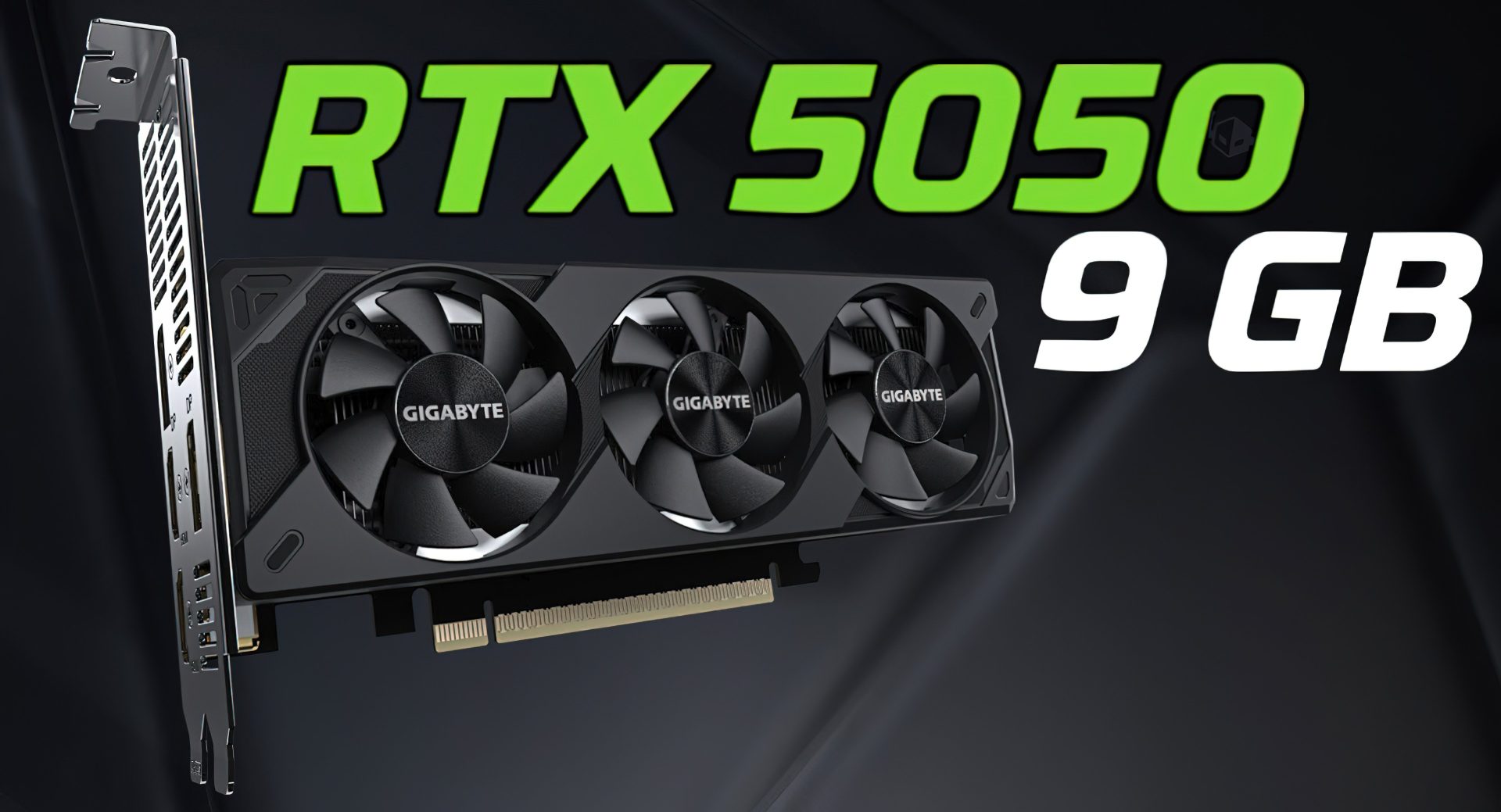
- GPU: Blackwell GB206-150 (2560 CUDA cores, 20 SMs)
- Memory: 9 GB GDDR7, 96-bit bus, 28 Gbps (336 GB/s bandwidth)
- Clock speeds: Base 2317 MHz, Boost 2572 MHz
- Power draw: 130W TGP (8-pin power interface)
- Price: Estimated $249 (launch expected mid-2026)
The 8 GB variant of the RTX 5050, while slightly less in capacity, trades off VRAM for a wider 128-bit memory bus. This version maintains the same core architecture but prioritizes bandwidth over sheer capacity, catering to users who may not need the extra 9 GB but still demand high-performance memory speeds.
For PC builders, this series represents more than just an upgrade in specs—it’s a rethinking of how entry-level GPUs are designed. By integrating GDDR7 and optimizing power efficiency, NVIDIA has managed to deliver higher performance without sacrificing the compact footprint or cost constraints that define budget builds. This could set a new standard for what’s possible in this segment, pushing the envelope on both capability and value.