What does it mean when a 17.5-minute trailer for *Nioh 3* doesn’t just showcase gameplay—it rewrites the rules of the series?
The latest showcase from Koei Tecmo doesn’t just drop new mechanics. It forces players to confront a Japan unrecognizable in its own history—a land where the Heian period lies in eternal frost, the Warring States era drowns in Yōkai corruption, and the very fabric of time has been torn apart. This isn’t just another *Nioh* entry. It’s a full-scale assault on the genre’s conventions.
Everything. The protagonist, Tokugawa Takechiyo, now wields two combat identities: the relentless samurai and the elusive ninja. One fights with the weight of tradition—deflecting strikes, countering with precision, and unleashing devastating stances. The other dances through chaos, striking from shadows, vanishing mid-air, and turning the battlefield into a labyrinth. The switch isn’t just a gimmick. It’s a survival mechanism. Enemies in *Nioh 3* don’t just demand skill—they demand adaptability.
Then there’s the Crucible.
A realm born from the ambitions of fallen heroes, the Crucible is a nightmare of distorted reality where Yōkai rule with absolute dominance. Players won’t just fight here—they’ll be tested. The developers describe it as a purgatory for those who lost their way, and the battles within it promise to be the series’ most punishing yet. But the Crucible isn’t just a challenge. It’s a mirror. Every corrupted land Tokugawa cleanses isn’t just restored—it’s a lesson in what happens when history’s fractures are left unchecked.
And history, in *Nioh 3*, is anything but linear.
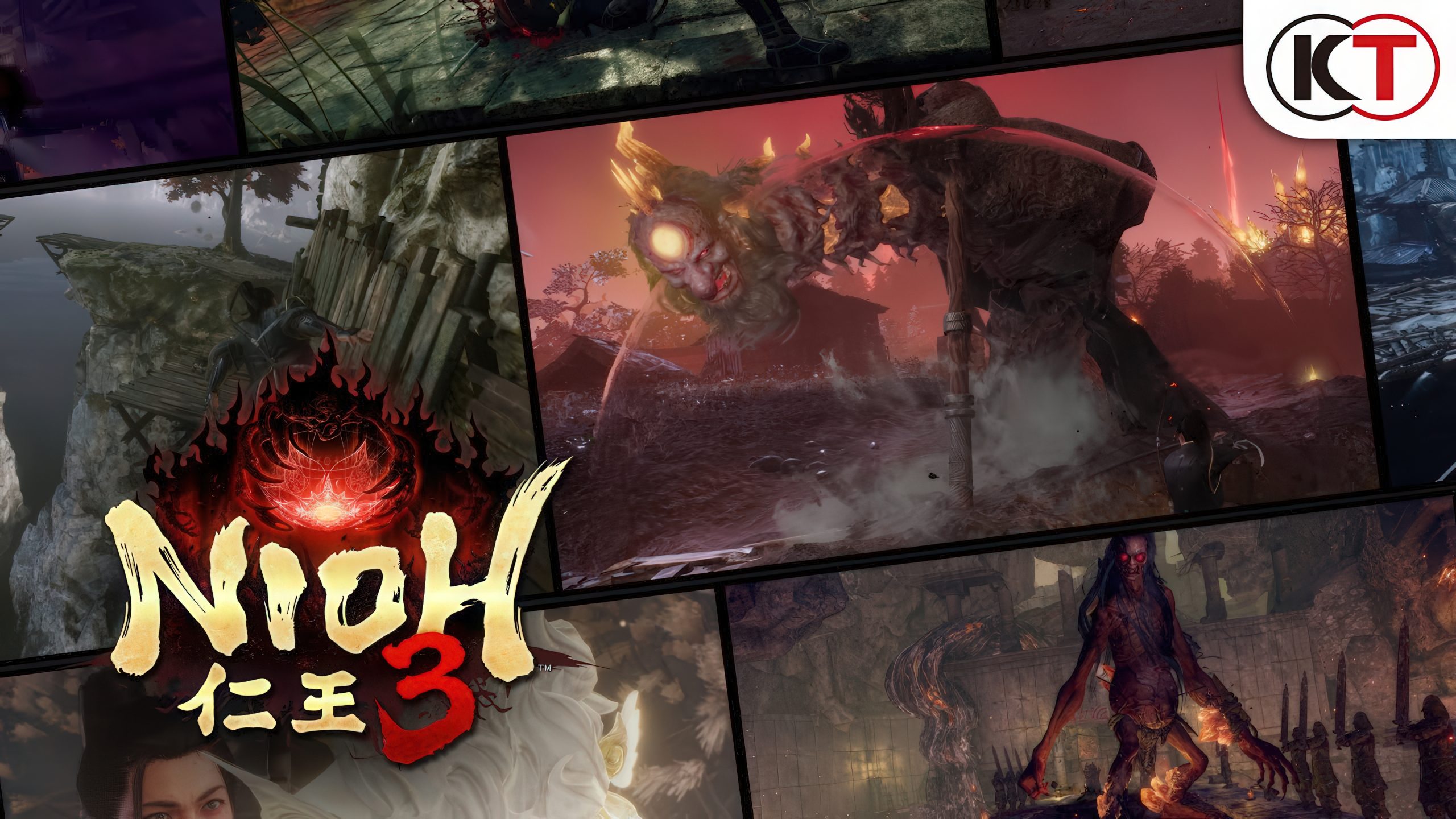
The trailer jumps from the frozen Heian period—where the land itself is a graveyard of ice—to the Warring States era, where Yōkai roam freely. Tokugawa’s journey isn’t a straight path. It’s a collision of eras, a war against time itself. Even the allies he encounters aren’t just NPCs. Some are Yōkai, twisted by the Crucible’s influence, yet still capable of redemption. The game’s world isn’t just reactive—it’s alive, shifting, and demanding the player’s attention at every turn.
Why does this matter?
Because *Nioh 3* isn’t just another action RPG. It’s a deconstruction of the series’ own legacy. The dual combat styles aren’t just new—they’re a direct response to the game’s themes of duality: light and shadow, order and chaos, redemption and corruption. The Crucible isn’t just a dungeon. It’s a philosophical battleground. And the time jumps? They’re not just set dressing. They’re a narrative device that forces players to question what history even means in a world where time itself is broken.
When is this happening?
February 6, 2026, marks the launch for PC and PlayStation 5. But for those who can’t wait, a free demo arrives on January 29—complete with save data carryover. It’s not just an early taste. It’s a full introduction to the game’s core mechanics, designed to hook players before the full experience unfolds.
The question isn’t whether *Nioh 3* will live up to its trailer. The question is whether players are ready for a game that doesn’t just challenge them physically—but forces them to confront the weight of history, time, and the cost of ambition.
The Crucible awaits.