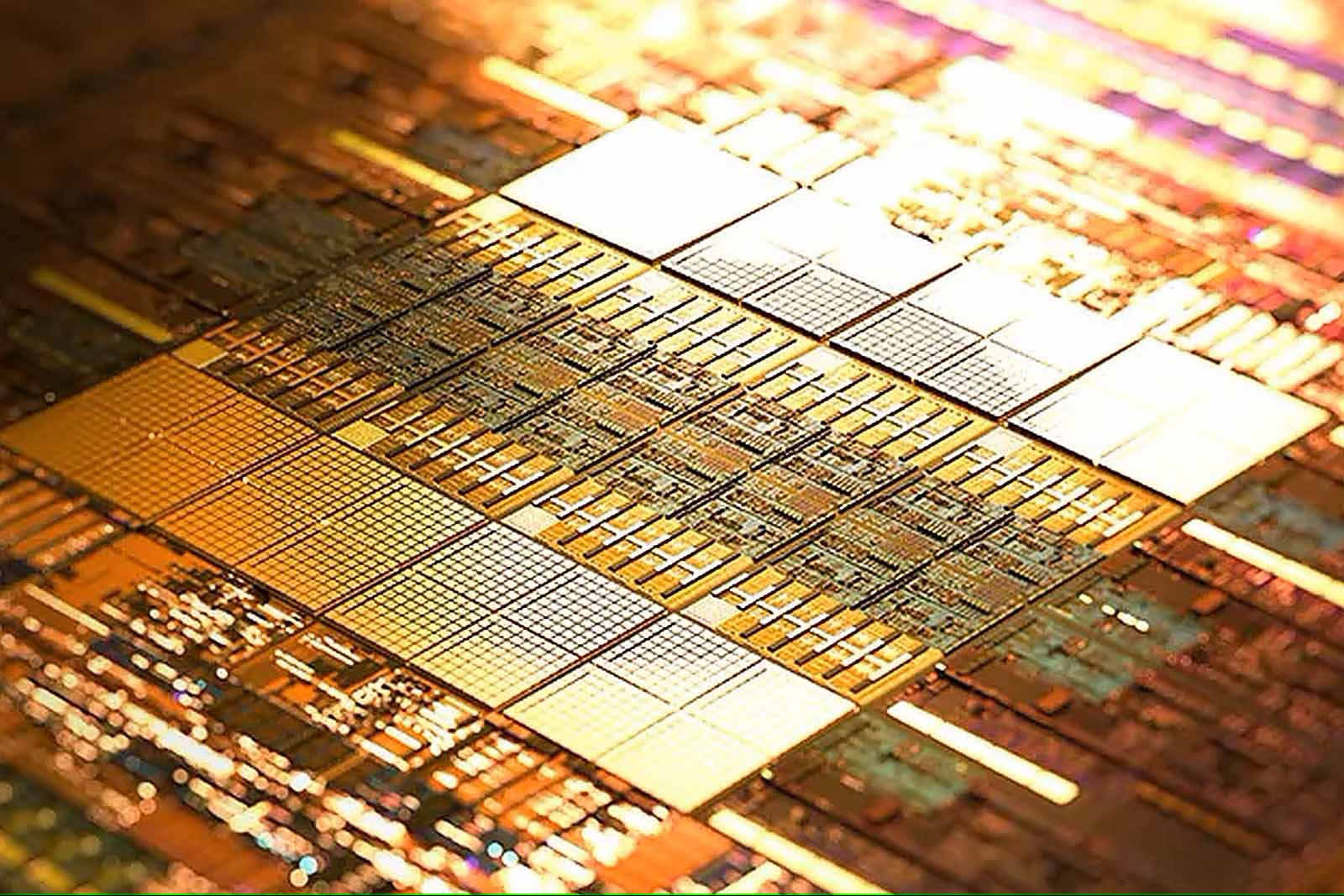
The Nintendo Switch 2 is poised to redefine handheld gaming with a hardware upgrade that could bridge the gap between console and portable experiences. Unlike its predecessor, which relied on static performance metrics, the new system introduces dynamic features like DLSS, aiming to smooth out visuals without sacrificing portability. However, whether this leap forward will extend to legacy titles—particularly those built for Unreal Engine 4—remains an open question.
Looking back at the original Switch’s launch in 2017, Nintendo made a bold bet on hybrid gaming, promising both home and portable performance without compromising on battery life. The result was a system that delivered solid graphics but struggled with demanding titles, often requiring compromises to maintain playability. Fast-forward to today, and the Switch 2 is attempting to correct those limitations by integrating advanced upscaling technologies, which could finally allow developers to push visuals further while keeping frame rates stable.
At its core, the Switch 2’s hardware refresh centers on a more powerful GPU, capable of rendering at higher resolutions and frame rates than before. This isn’t just about raw numbers—it’s about enabling new workflows for developers. For example, DLSS (Deep Learning Super Sampling) allows games to render at lower resolutions while using AI to upscale the image, effectively delivering near-4K visuals without the performance cost. That’s the upside—but here’s the catch: this feature is only as good as the game’s implementation. Older titles, particularly those built for Unreal Engine 4, may not support such enhancements out of the box, leaving players to wonder if they’ll be stuck with outdated graphics or forced to wait for remasters.

Industry observers note that Nintendo has always balanced innovation with backward compatibility, but this time, the stakes are higher. The Switch 2’s launch will hinge not just on its technical specifications—16 GB of RAM, a more efficient CPU, and improved thermal management—but also on how developers adapt to its capabilities. If studios embrace these new tools, the platform could see a surge in high-quality exclusives that push the boundaries of handheld gaming. Conversely, if legacy games remain unsupported or underwhelming, players may find themselves divided between cutting-edge experiences and the nostalgic charm of older titles.
For small businesses and indie developers, this presents both an opportunity and a challenge. On one hand, the Switch 2’s hardware could lower the barrier to entry for creating visually impressive games by offloading some of the rendering burden through upscaling technologies. On the other, the platform’s fragmented ecosystem—where docked and handheld modes require different optimizations—could complicate development workflows. The real test will be whether Nintendo can convince developers that this iteration is worth the investment, both in terms of hardware and software.
As for what to watch: the timeline for game releases on the Switch 2 remains unclear, but leaks suggest a launch window in late 2024 or early 2025. Pricing details are also shrouded in secrecy, though industry rumors point to a premium positioned above its predecessor. The bigger question is whether this will be a platform that future-proofs Nintendo’s library or one that leaves legacy games behind—potentially alienating players who cherish the original Switch’s catalog.