The Two Masters DLC isn’t just a content upgrade—it’s a technical evolution for Ninja Gaiden 4*, introducing mechanics that demand closer attention from developers and system administrators. The expansion’s Abyssal Road endurance mode, for instance, introduces Special Blood Essence consumption and Frenzied enemy variants, which require dynamic resource management. These mechanics push the game’s existing physics and AI engines further, particularly in how enemy spawn rates and difficulty curves scale. For studios running multiplayer sessions or modded environments, this means monitoring frame rates during high-wave encounters, as the mode’s design prioritizes sustained combat over traditional boss encounters.
On the hardware side, the DLC maintains compatibility with all supported platforms—PC, PlayStation 5, and Xbox Series X/S—without mandating upgrades. However, administrators deploying the game in enterprise or esports settings should note that the Solitaire scythe and Jakotsumon gauntlets introduce new collision models and animation states. These require patches to existing anti-cheat or performance profiles if the base game was previously optimized for a fixed weapon set. The weapons unlock mid-campaign, meaning developers can test them in early access without waiting for full completion—a practical consideration for modders or content creators building custom scenarios.
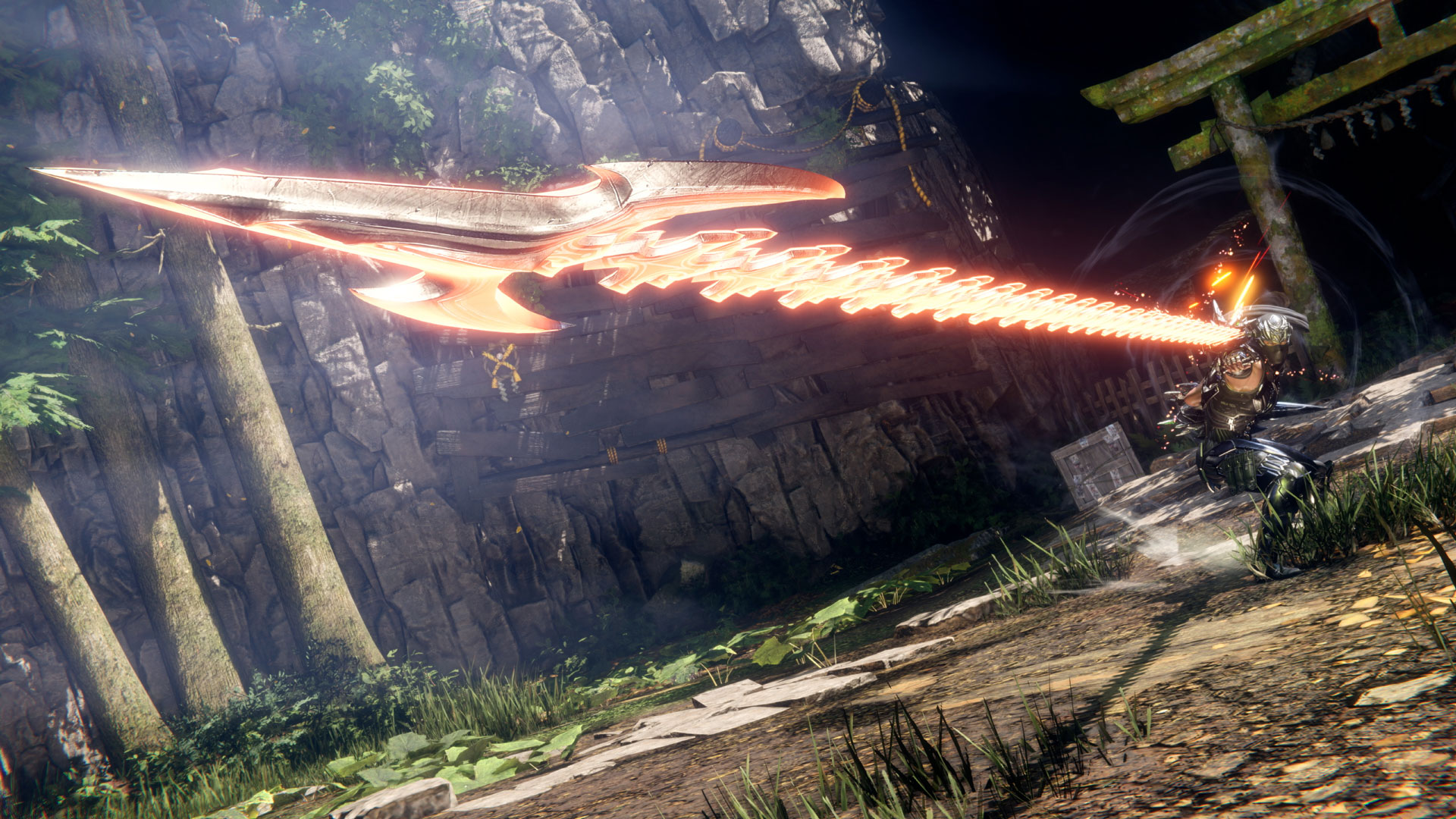
For those managing cloud gaming or remote play setups, the DLC’s additional story chapters introduce cutscenes with higher resolution demands, particularly on lower-tier hardware. The Abyssal Road mode, while optional, may require adjustments to latency settings in competitive environments, as its wave-based structure encourages rapid decision-making. Team NINJA has emphasized that the expansion preserves backward compatibility with existing save files, but admins should verify this in test environments, especially if rolling out updates across distributed systems.
The $14.99 standalone DLC or $20 Deluxe Edition upgrade (which includes the base game) reflects a pricing strategy that balances accessibility with premium features. For developers, the key takeaway is that *Two Masters expands the game’s toolkit without disrupting existing workflows—provided performance profiles are recalibrated for the new mechanics. The arrival of Frenzied enemies, for example, may necessitate tweaks to difficulty-scaling algorithms if the base game’s AI was previously static. Meanwhile, the endurance mode’s design suggests potential for future community challenges, as its survival mechanics lend themselves to leaderboard integrations or custom difficulty tiers.
Looking ahead, the DLC sets a precedent for how Ninja Gaiden 4*’s systems can be extended. The early unlocks of weapons and the modular structure of *Abyssal Road hint at a development philosophy that values iterative content over monolithic updates—a critical factor for studios evaluating the game’s long-term viability in competitive or modding communities.