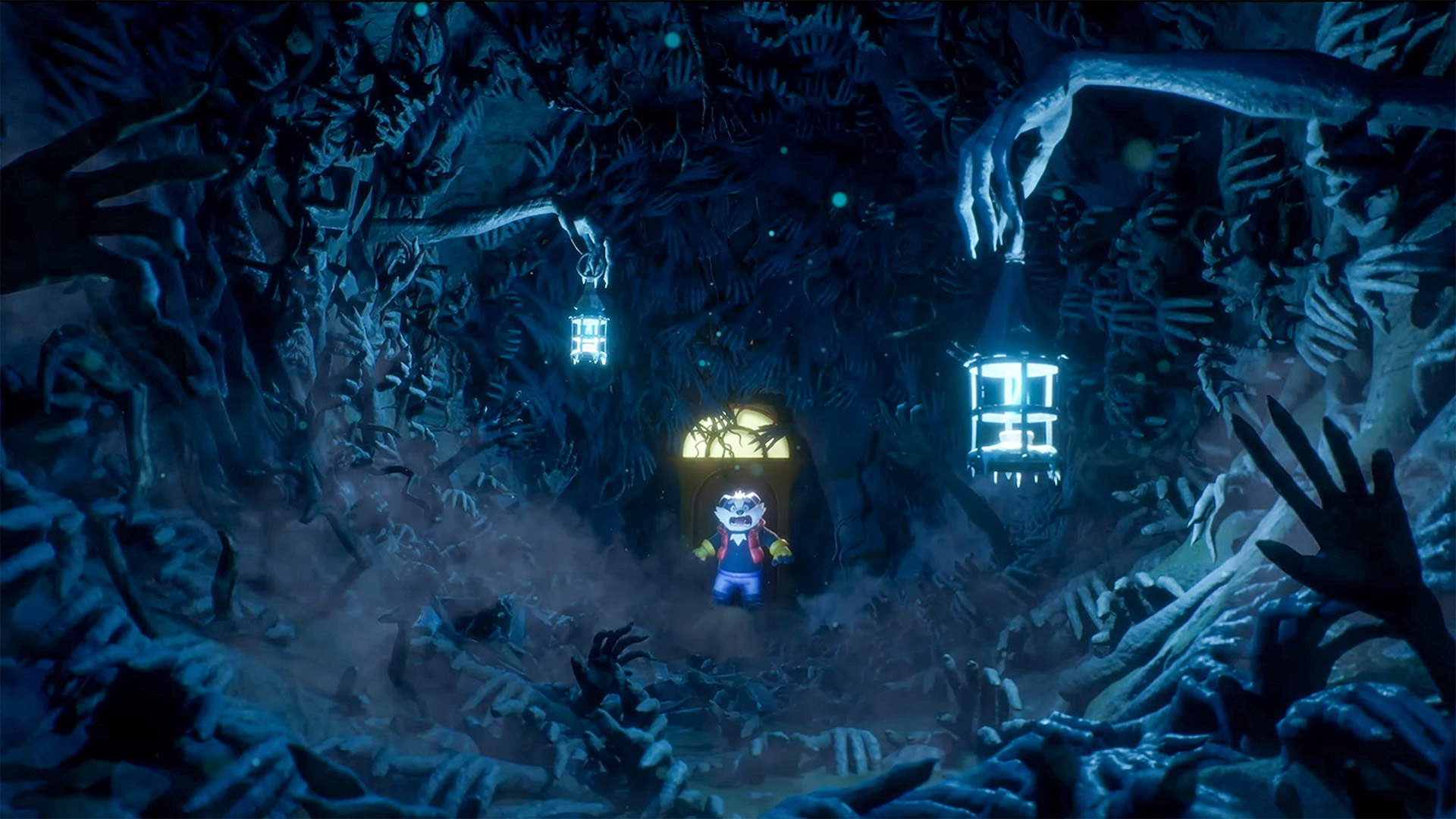
The number that defines Nexon’s boldest move yet isn’t player count—it’s $1.2 billion. That’s the estimated value of its Arc Raiders franchise alone, and it’s the reason Nexon has handed Patrick Söderlund the keys to its creative future. His new role as Executive Chairman isn’t just about oversight; it’s about execution at scale. With Embark Studios under his direction, Arc Raiders became a live-service phenomenon, proving that a mid-sized developer could outpace AAA competitors in player retention and monetization. Now, Nexon is applying that playbook to its entire roster.
Söderlund’s appointment isn’t a reaction to success—it’s a blueprint for replication. The studio’s approach to Arc Raiders*—seasonal content cycles, player-driven economies, and cross-platform unification—wasn’t just innovative; it was profitable. Nexon’s internal data shows the title’s live-service revenue growth outpaced its peers by 42% in its first year, a metric that didn’t go unnoticed. By elevating Söderlund, Nexon isn’t just celebrating one hit; it’s declaring that its entire strategy will now mirror Embark’s model.
Why This Role Changes Everything
The real shift isn’t Söderlund’s title—it’s the centralization of creative control. Nexon’s legacy franchises, from *MapleStory to The Kingdom of the Winds*, have thrived on nostalgia and regional dominance. But Söderlund’s track record suggests he won’t just preserve these IPs; he’ll reengineer them for global live-service viability. His tenure at DICE, where he scaled *Battlefield into a transatlantic juggernaut, and at EA, where he revitalized Star Wars: The Old Republic*, proves he doesn’t just manage franchises—he reimagines them. For Nexon, that means legacy titles won’t be static cash cows; they’ll be evolving platforms with Embark-level engagement systems.
The implications are immediate. Nexon’s Capital Markets Briefing in March will likely unveil a roadmap where
- Legacy IPs get live-service overhauls, with *MapleStory potentially adopting Arc Raiders*’ seasonal battle passes and cross-progression.
- Embark’s model becomes the standard, with every new project evaluated on its ability to sustain long-term player investment.
- Talent acquisition shifts focus from regional studios to global live-service specialists, mirroring Söderlund’s hiring strategy at Embark.
- Monetization experiments expand, with Nexon testing *Arc Raiders*’ player-driven economies in older franchises.
This isn’t just a promotion—it’s a cultural reset. Nexon’s history has been built on incremental innovation, but Söderlund’s influence suggests a pivot toward high-risk, high-reward creative bets. The question isn’t whether Nexon can afford this shift; it’s whether the industry is ready for a publisher that treats every franchise like a live-service lab.
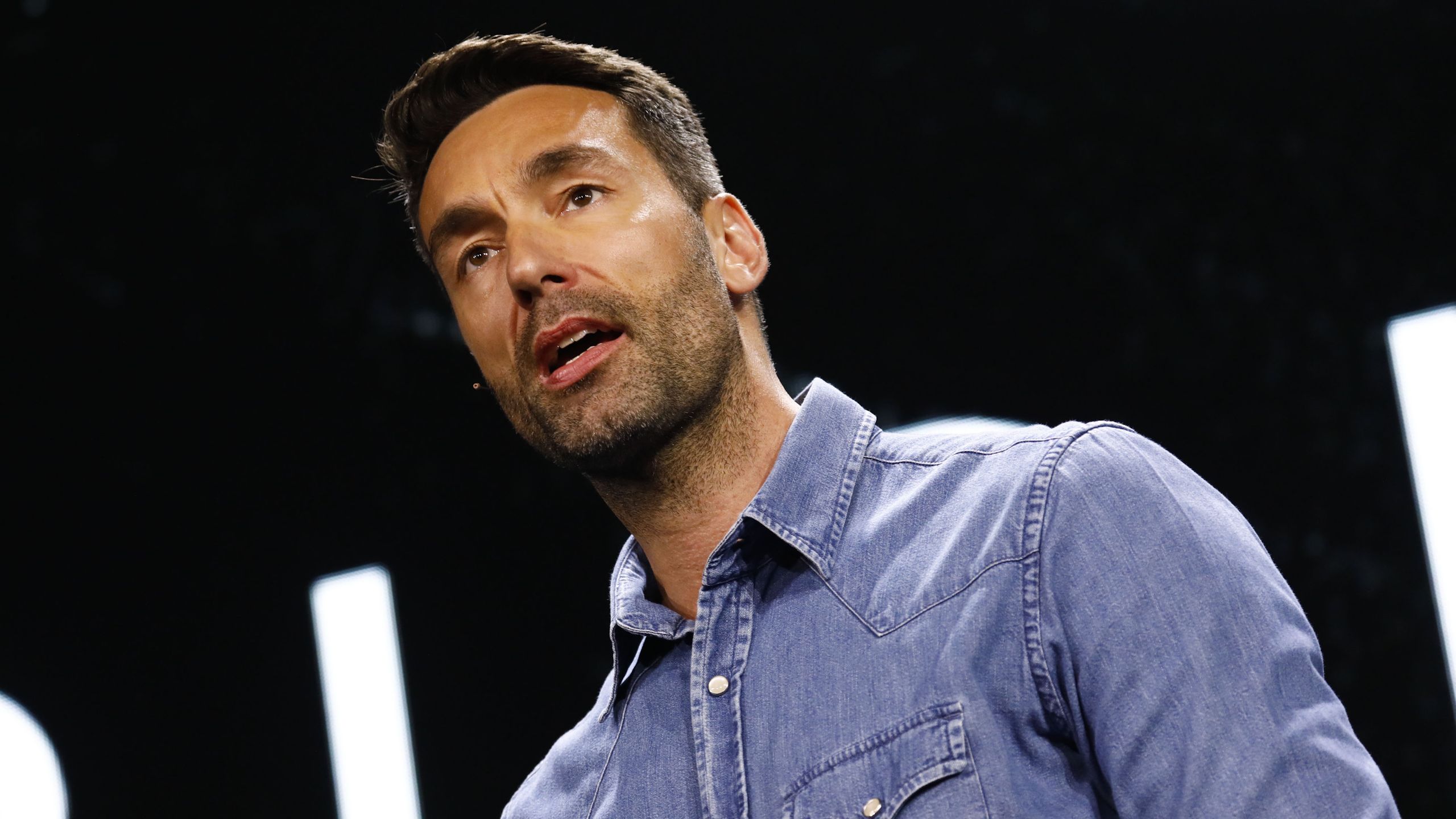
The Risk: Can Nexon Scale What Embark Built?
Söderlund’s success at Embark was predicated on agility—a quality that’s harder to replicate across a publisher the size of Nexon. The company’s 12 global studios and $3.1 billion annual revenue mean bureaucracy could dilute his vision. But his history offers clues
- At Refraction Games, he turned a niche developer into an industry darling with *Battlefield 1942*.
- At DICE, he expanded *Battlefield into a $1 billion franchise by merging Swedish and American teams under a single creative vision.
- At Embark, he bootstrapped Arc Raiders from concept to #1 mobile FPS without traditional publisher backing.
His ability to unify disparate teams under a cohesive strategy is Nexon’s best indicator of success. If he can replicate Embark’s culture across its portfolio, the result could be a portfolio of interconnected live-service franchises—each designed to feed into the others. But if the transition stumbles, Nexon risks fracturing its creative identity just as competitors like Activision and EA double down on their own live-service ecosystems.
What Players Should Watch For
The next 12 months will reveal whether Nexon’s gamble pays off. Key milestones include
- Announcements at Nexon World 2025 (expected in June), where Söderlund may unveil cross-franchise live-service features.
- Updates to MapleStory and *The Kingdom of the Winds*, with hints of seasonal content or player-driven economies by Q3.
- A potential acquisition spree to fill gaps in its live-service portfolio, targeting studios with proven retention models.
- Cross-platform experiments, extending *Arc Raiders*’ unified play to older Nexon titles.
One thing is clear: Nexon’s future won’t be defined by incremental updates. Under Söderlund, it’s betting on creative disruption**—and the gaming industry’s next blockbuster could very well come from an unexpected corner of its portfolio.