A new fleet manager has entered the market with a focus on simplifying backup orchestration in distributed object storage environments. The tool aims to address the growing complexity of managing data across multiple sites while maintaining performance and reliability. This development comes as organizations increasingly adopt hybrid and multi-cloud architectures, creating a need for more flexible and interoperable solutions.
The fleet manager introduces automation for key tasks such as workload distribution, health monitoring, and failover—processes that traditionally require significant manual effort or custom scripting. By streamlining these operations, the system promises to reduce errors and accelerate recovery times without imposing proprietary constraints on users. Its shared control plane tracks real-time fleet-wide state, supporting both synchronous and asynchronous replication policies to give administrators granular control over data propagation.
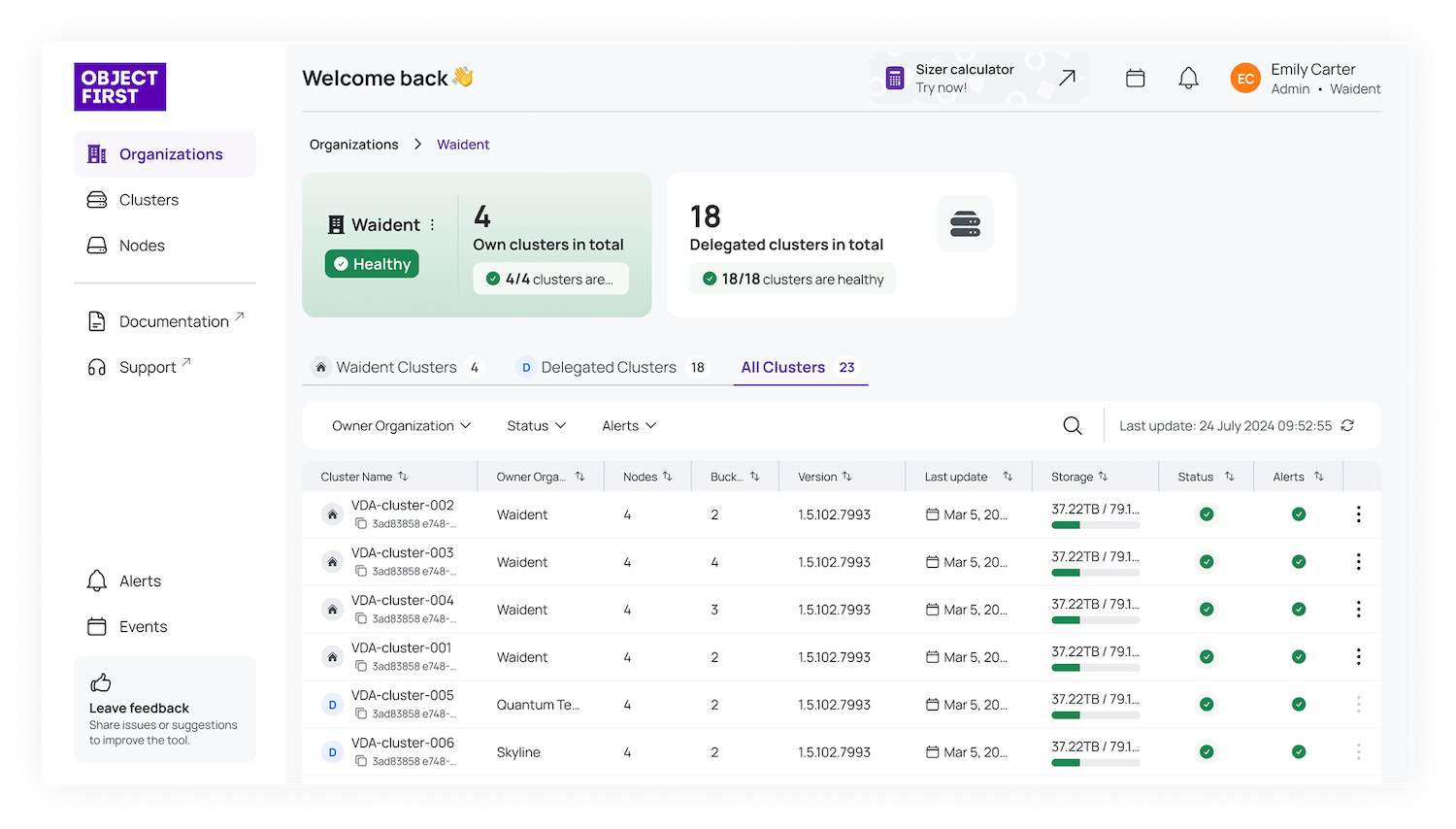
One notable feature is its dynamic rerouting capability during network partitions or hardware failures. Instead of leaving backup jobs stranded, the system automatically re-queues them once conditions stabilize, enhancing resilience in environments where uptime is non-negotiable. This level of built-in redundancy could be particularly valuable for industries with strict operational requirements.
The tool’s design emphasizes interoperability, allowing it to integrate seamlessly with existing backup workflows without necessitating a complete infrastructure overhaul. This approach avoids vendor lock-in while addressing the operational challenges that come with scaling distributed storage. As more organizations distribute data across hybrid and multi-cloud setups, solutions like this one may gain traction for their ability to balance automation with flexibility.
While the fleet manager’s long-term impact remains to be seen, its focus on resilience, performance, and interoperability positions it as a contender in an evolving market. Whether it can scale effectively with emerging workloads will determine its staying power in an industry where innovation is rapid and demands are ever-changing.