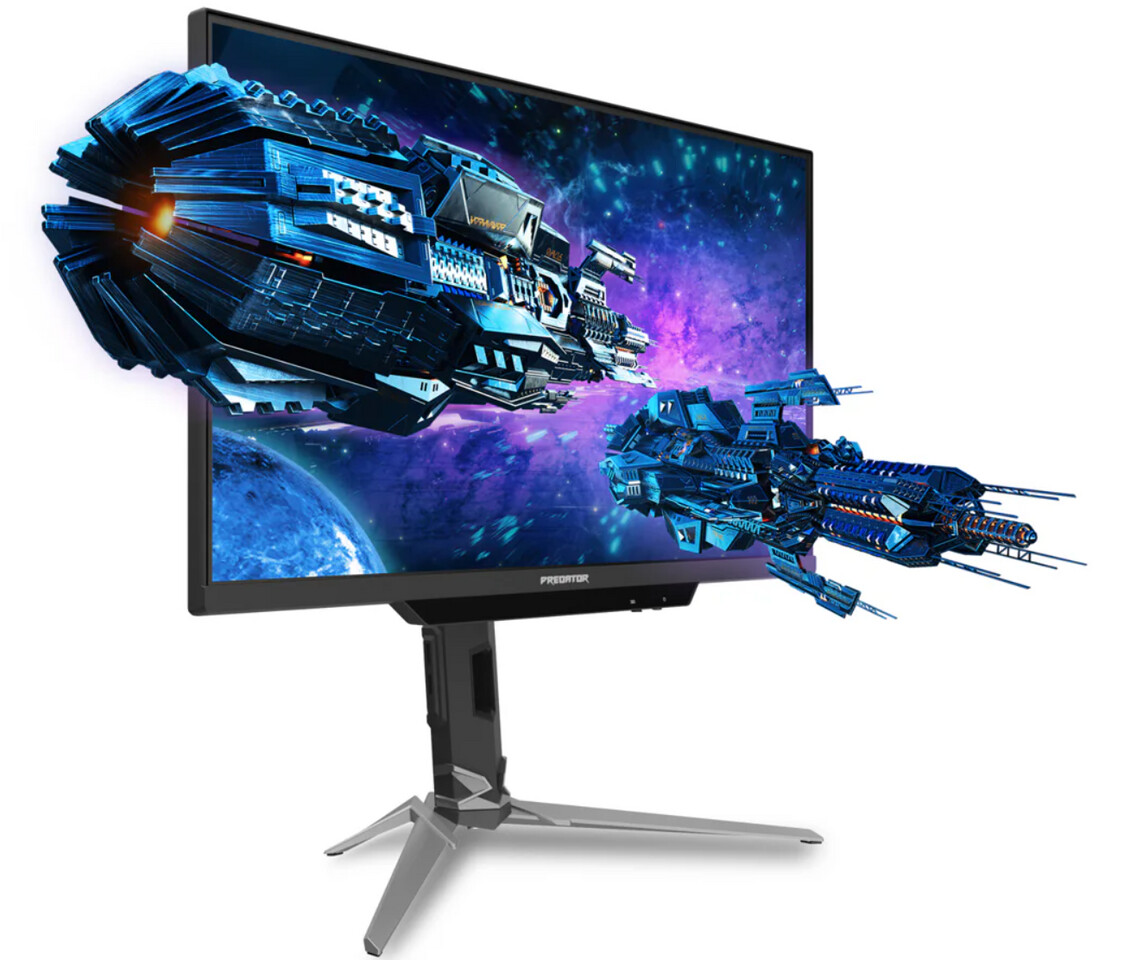
MSI’s latest innovation in gaming monitors takes a bold leap forward by integrating three dynamic resolution-refresh modes into a single QD-OLED display. The monitor can switch between 4K at 360Hz, 2K at 520Hz, and FHD at 680Hz, offering a balance of high-resolution detail and ultra-fast response times that cater to different gaming demands.
The 27-inch QD-OLED panel serves as the foundation for this versatility, delivering exceptional contrast, color accuracy, and peak brightness of 900 nits. While 4K@360Hz aligns with current GPU capabilities, the monitor’s ability to jump to higher refresh rates—like 520Hz in 2K mode—poses intriguing possibilities for competitive gaming scenarios where speed is prioritized over pixel density.
The FHD@680Hz mode stands out as a potential game-changer, targeting ultra-low input lag and high frame rate performance critical for esports. However, its practical application remains uncertain given the limited number of games optimized for such extreme settings without significant downscaling.
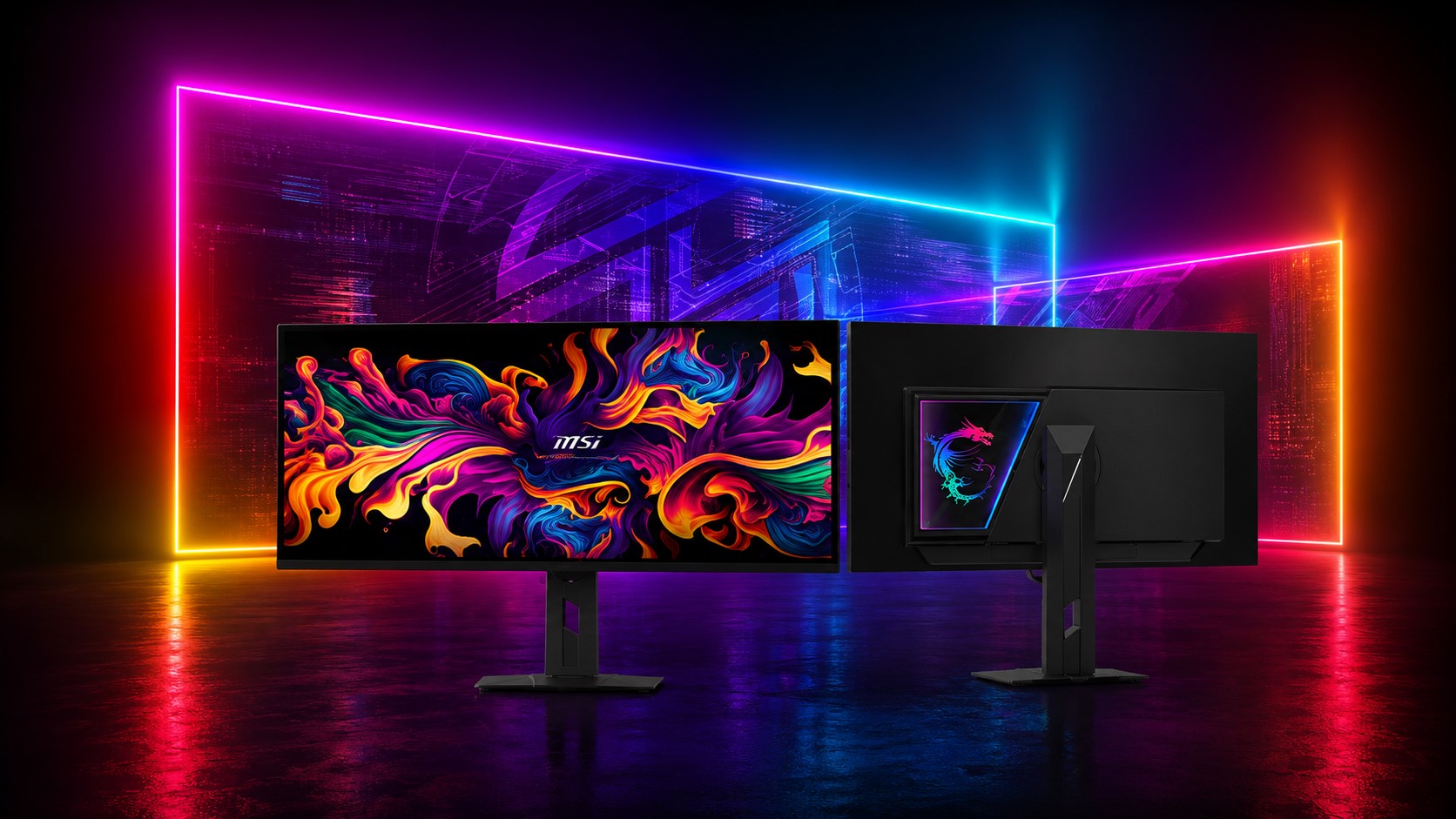
- Triple-resolution support: 4K@360Hz, 2K@520Hz, FHD@680Hz
- 1ms (MPRT) response time and HDR10+ with Dolby Vision
- 27-inch QD-OLED panel with high brightness and deep blacks
The monitor’s specifications suggest a focus on both competitive gaming and content creation, with support for advanced HDR standards enhancing its appeal for streaming and video editing. However, the true test will be how seamlessly software—whether game engines or creative tools—adapts to these dynamic resolution shifts without introducing compatibility issues.
Looking ahead, the monitor’s high refresh modes could gain relevance as developers refine their approaches to higher frame rates or experiment with variable rate shading techniques. The challenge for MSI lies in ensuring smooth transitions between resolutions without introducing latency or synchronization problems that could disrupt gameplay.
If successful, this monitor could set a new benchmark for adaptability and performance in high-end gaming displays, pushing the industry beyond traditional fixed-resolution models.