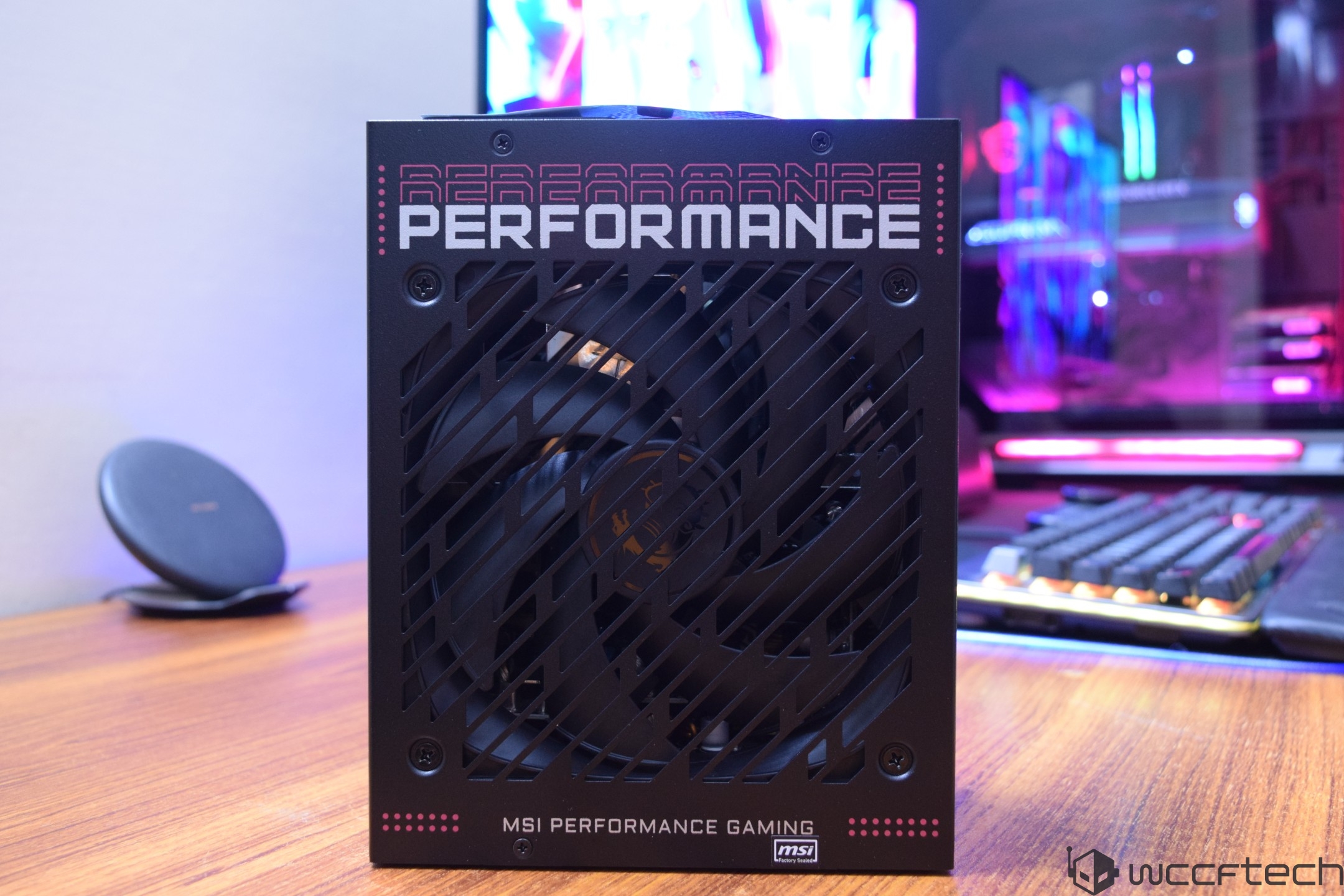
When a GPU like the RTX 5090—capable of drawing up to 575W—meets a faulty 16-pin connector, the results can be catastrophic: burnt traces, permanent damage, and a component that costs thousands to replace. MSI’s latest GPU Safeguard+ system aims to change that by adding real-time protection to its AI-powered power supplies, working in tandem with software to detect and mitigate risks before they escalate.
The system isn’t just reactive. It’s a multi-stage defense. The moment a power supply—such as MSI’s MPG Ai1600TS or MPG Ai1300TS—detects an imbalance in the 12V-2x6 (16-pin) connector, it triggers a chain reaction. First, the software (Afterburner or HWINFO) displays a warning, accompanied by a persistent buzzer. For three minutes, the user has a chance to intervene: check the cable, reseat the connector, or shut down the system. If no action is taken, the system escalates. The display cuts to a black screen, the buzzer continues, and the GPU’s power limit is automatically reduced—from 575W down to 430W—to prevent further strain on the failing connection.
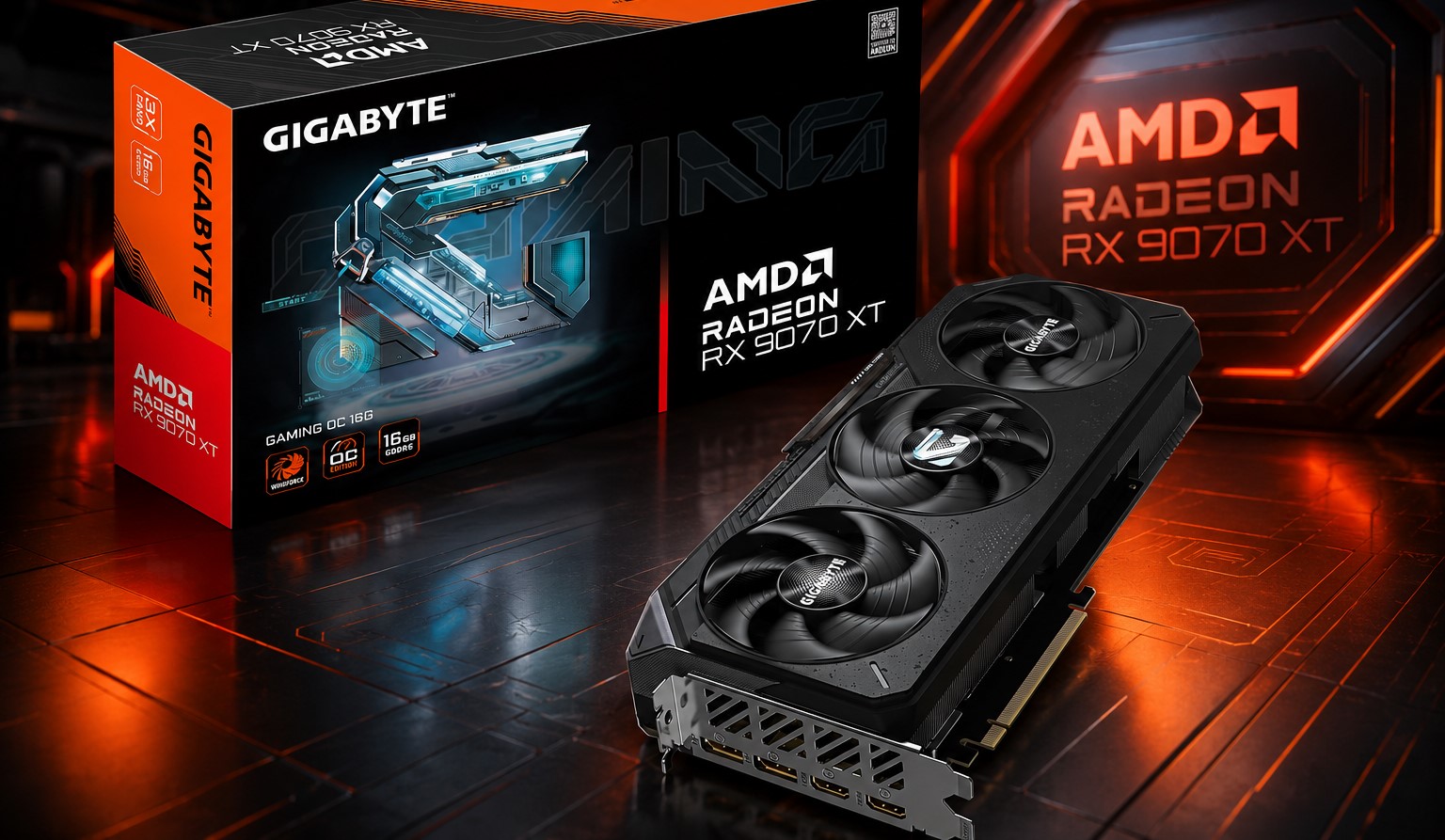
This isn’t just about high-end GPUs like the RTX 5090. The safeguard applies broadly across MSI’s supported power supplies, including those paired with AMD’s RX 9070 XT. The threshold for intervention is clear: if any pin in the 16-pin connector draws current outside expected ranges, the system acts. Users can even customize alert thresholds in Afterburner, tailoring sensitivity to their setup.
- Real-time monitoring: MSI’s AI PSUs continuously scan for current imbalances in the 12V-2x6 pins.
- Immediate alerts: A buzzer sounds, and software displays a warning prompt, giving users 3 minutes to respond.
- Automatic power scaling: If the issue persists, the GPU’s power limit drops to 75% (e.g., 430W for an RTX 5090) to reduce load.
- Forced shutdown: After 3 minutes, the display blacks out, and the buzzer continues until the system is powered off or the cable is fixed.
The feature extends beyond MSI’s own hardware. HWINFO’s latest beta now supports current monitoring for MSI’s AI PSUs, providing an additional layer of visibility for users who rely on third-party software for system diagnostics. This dual-software approach ensures that even if Afterburner isn’t running, the safeguard remains active.
For enthusiasts and professionals running high-power GPUs, this could be a game-changer. Reports of 16-pin connector failures—particularly with GPUs like the RX 9070 XT—have highlighted a persistent risk in modern builds. MSI’s solution isn’t a cure-all, but it adds a critical failsafe. The combination of hardware-level detection and software intervention means that a single faulty cable or loose connection won’t automatically lead to a fried GPU.
Availability for these features is tied to MSI’s latest AI PSU lineup and the updated Afterburner/HWINFO software. While the technology is designed to work with any compatible GPU, its most immediate impact will be felt by users of high-TDP cards like the RTX 5090 and RX 9070 XT, where power delivery stability is paramount.