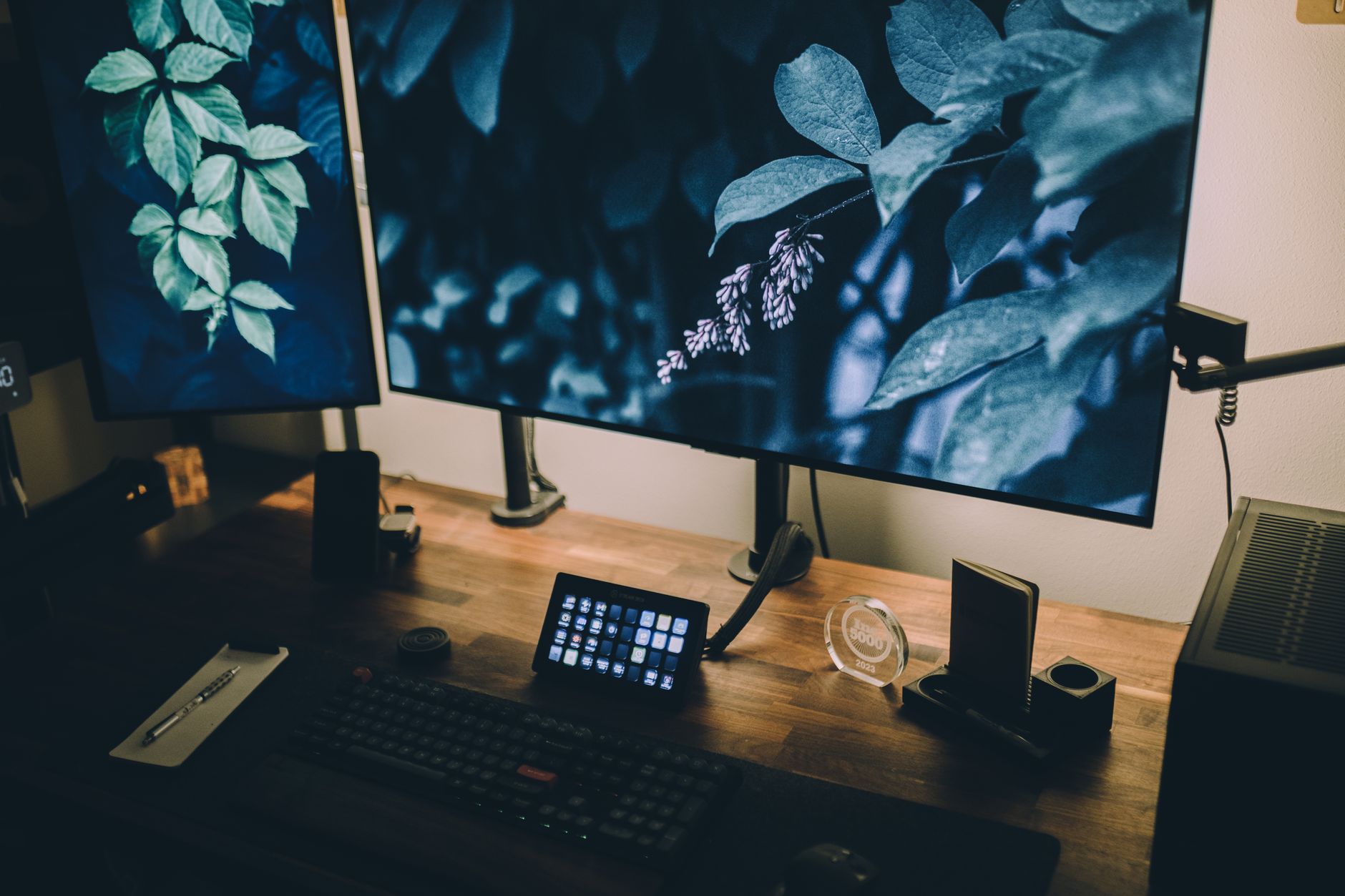
A radical approach to Mini-ITX design has emerged that blurs the line between chassis and monitor stand. The concept eliminates the traditional gap between case and display by integrating a VESA mount directly into the aluminum frame, creating what amounts to a unified desk element rather than two separate components.
This isn't just about aesthetics; it addresses real-world workflow constraints for power users who demand both space efficiency and ergonomic flexibility. The built-in mount offers three fixed positions with full height adjustment, tilt control, and portrait rotation—features that typically require expensive aftermarket arms or custom stands. At the same time, the case maintains room for high-end components: it supports graphics cards up to 370 mm in length while accommodating CPU coolers as tall as 95 mm.
The construction is solid, using anodized aluminum with magnetic side panels that allow tool-free access. Cable management is built into the design, and airflow is enhanced by perforated panels—a practical consideration for systems running long GPUs or liquid cooling setups. The case measures 266 x 222 x 478 mm and weighs 8.27 kg, making it suitable for SFX/SFX-L power supplies up to 150 mm in length.
Key specs
- Mount system: Integrated VESA extension with three fixed positions, height adjustment, tilt, and portrait rotation.
- Material: Anodized aluminum with magnetic side panels for tool-free access.
- Dimensions (WxDxH): 266 x 222 x 478 mm; weight: 8.27 kg.
- Component support: Graphics cards up to 370 mm, CPU coolers up to 95 mm tall, SFX/SFX-L PSUs up to 150 mm long.
- Cooling: Supports 240 mm or 280 mm radiators; includes two 80 mm and two 92 mm fan positions.
- Cable management: Integrated clips for organized wiring.
- Colors: Gray and green.
- Price (preorder): $650.
The integrated mount system is the standout innovation, but it comes with tradeoffs. The fixed positions limit some vertical adjustment range compared to traditional arms, which may matter for users with specific ergonomic needs. However, the lack of moving parts could reduce long-term wear or wobble—common issues with mechanical monitor arms.
For IT teams prioritizing future-proofing, this design offers a compelling alternative to modular workstations. The unified approach saves desk space while maintaining compatibility with high-performance components, including long GPUs and premium cooling solutions. Whether it becomes a mainstream choice remains an open question, but the concept is likely to resonate in markets where minimalism and functionality intersect.