A new generation of Microsoft's Elite controller is emerging with a design that prioritizes modularity over raw power, marking a potential pivot away from the brute-force approach seen in recent hardware releases.
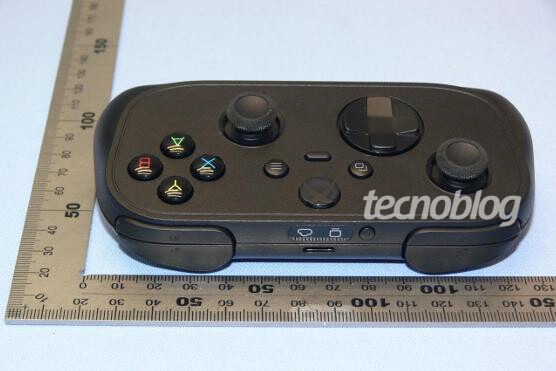
The Xbox Elite Series 3, as it appears in leaked regulatory documents, retains the swappable thumbsticks and d-pad of its predecessor but introduces refinements that could make it the most customizable controller on the market. The mounting points for inner grip paddles have been repositioned closer to the center, allowing for greater flexibility in paddle length. Two new roller wheels on the underside suggest adjustable tension or travel for these controls, a feature that could appeal to competitive players looking for precision without sacrificing comfort.
Performance-wise, the Elite 3 maintains the same connectivity options as its compact cloud-focused counterpart—Wi-Fi 6 and Bluetooth—along with an internal battery rated at 1,528 mAh. While the exact launch timeline remains unclear, industry speculation points to a simultaneous release with Microsoft's next-generation Xbox Helix console, which is rumored to blend PC-like flexibility with traditional console hardware.
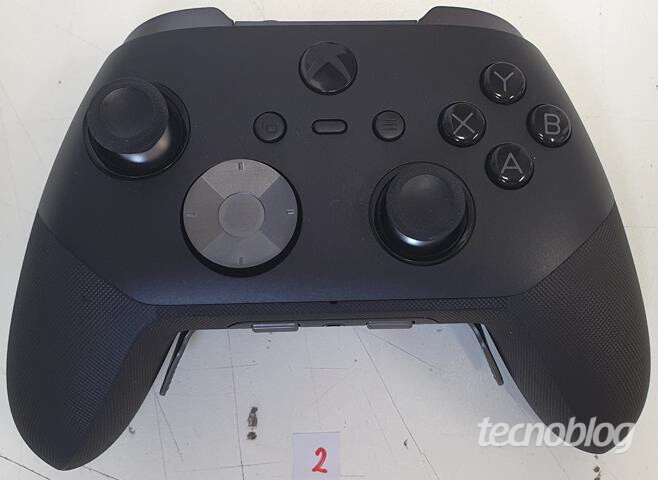
This redesign could signal a strategic shift for Microsoft, balancing its focus on cloud gaming with the needs of hardcore gamers who demand tactile control. The adjustments to paddle placement and tension mechanics hint at an effort to address criticisms from players who find current controllers too rigid or uncomfortable during long sessions. However, the absence of significant performance upgrades—such as faster response times or more robust materials—suggests that customization is the primary driver here rather than raw hardware improvements.
For PC builders and enthusiasts, this could mean a controller that bridges the gap between cloud gaming convenience and the precision demanded by competitive play. If Microsoft follows through on its reputation for iterative design, the Elite 3 might become a staple in setups where adaptability is just as important as power—though whether it will outpace third-party alternatives remains to be seen.
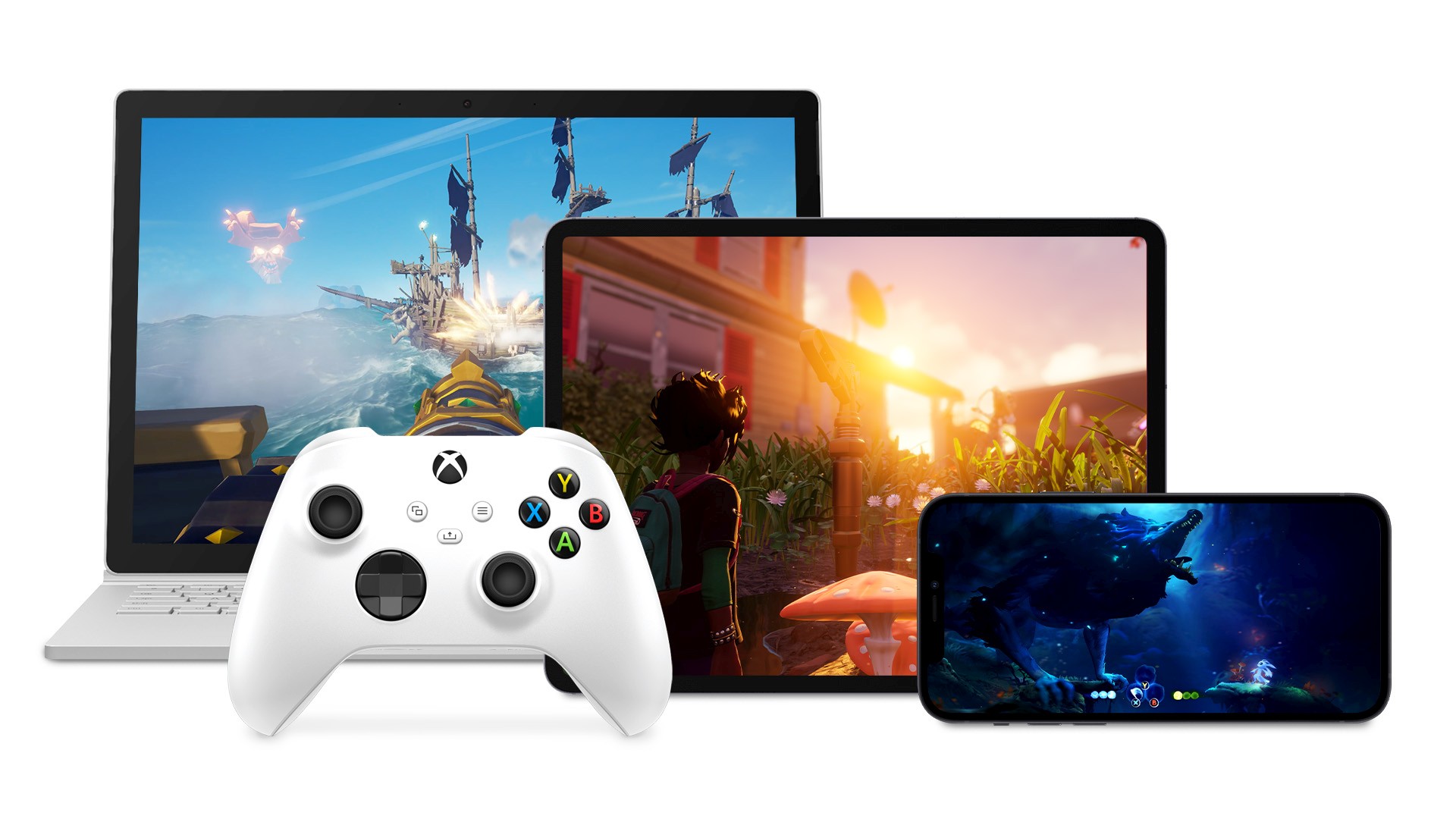
The most notable change, however, is the implicit acknowledgment that cloud gaming is no longer an afterthought but a core feature. The inclusion of dedicated controls for cloud mode, combined with the performance characteristics of its predecessor, positions this controller as a potential standard-bearer for Microsoft's future ecosystem. Whether it will live up to those expectations depends on how well it balances form and function in practice.