Microsoft has slashed the price of its standalone Office 2021 suite to $33—a move that could force small businesses to rethink their long-held beliefs about the cost of professional-grade productivity tools.
The one-time purchase, which includes Word, Excel, PowerPoint, Outlook, and OneNote, normally retails for around $200. This discount, however, comes without access to cloud features like OneDrive storage or real-time collaboration, but it delivers a full desktop experience on Windows PCs at less than 17% of the usual price.
Key Specifications
- Price: $33 (one-time purchase)
- Included Apps: Word, Excel, PowerPoint, Outlook, OneNote
- Operating System: Windows 10 and 11 (64-bit)
- Cloud Features: None (standalone license)
- Storage: Local only; no OneDrive integration
The suite is designed for users who need a stable, offline-first experience without the recurring costs of subscription models. This makes it particularly appealing to small businesses that prioritize control over software updates and prefer one-time capital expenditures over ongoing operational expenses.
Context and Implications
Office 2021 represents a middle ground in Microsoft’s product lineup, positioned between the perpetual-license Office Professional Plus (which remains at $200) and the subscription-based Office 365. For small businesses, this pricing could be a game-changer, especially for those operating on tight budgets or with strict IT policies that discourage cloud dependencies.
However, there are tradeoffs. The standalone version lacks access to Microsoft’s latest AI features, such as Copilot in Excel or the updated design tools in PowerPoint, which are exclusive to subscription tiers. This means businesses must weigh the immediate cost savings against potential long-term limitations in functionality and innovation.
The $33 price also raises questions about sustainability for Microsoft. While it may attract new users, it could alienate those who rely on regular updates or cloud integration. For now, this offer is a temporary promotion, but its success could influence Microsoft’s future pricing strategies for standalone products.
Practical Impact
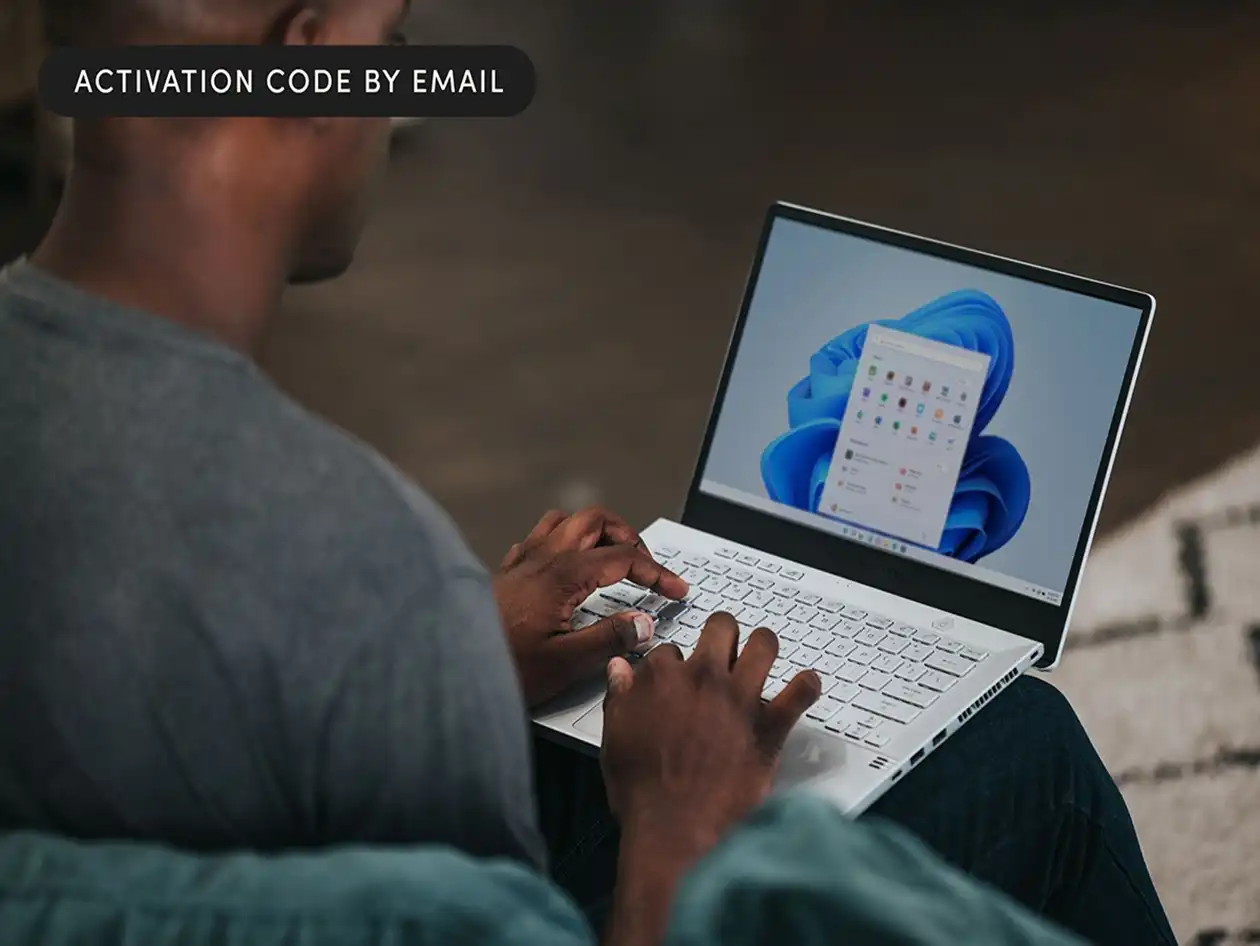
Small businesses that adopt Office 2021 at this price will see immediate benefits in cost efficiency and operational stability. Tasks like document creation, data analysis, and presentations can be executed without relying on internet connectivity or cloud storage, which is critical for industries with limited bandwidth or strict data security requirements.
Yet, the lack of cloud features means collaboration becomes more cumbersome. Teams that frequently share files or work in real-time may find themselves reverting to older workflows or investing in complementary tools to bridge the gap. This could create a fragmentation where some businesses use Office 2021 for core tasks while relying on other platforms for shared projects.
Reality Check and What’s Next
The $33 Office 2021 is not without its caveats. It does not include future updates beyond the initial installation, meaning users will miss out on security patches or new features released after its launch in October 2021. This makes it a short-term solution for those who need immediate cost savings but may not be ideal for long-term scalability.
For small businesses, this offer is a rare opportunity to acquire a full desktop Office suite without the recurring costs of subscriptions. However, they must carefully assess whether the tradeoffs—such as no cloud integration or access to AI tools—will hinder their workflows in the coming years. Those with minimal collaboration needs and a preference for offline stability will find this deal particularly compelling.
The bigger question is whether Microsoft will continue to offer such aggressive pricing for standalone products. If successful, it could signal a shift toward more flexible licensing models that cater to businesses unwilling or unable to commit to subscriptions. For now, small businesses have a chance to modernize their toolkits without breaking the bank.