Microsoft has officially begun the phase-out of SMS verification as a default two-factor authentication method for personal accounts, marking a deliberate step toward more secure and resilient digital identity protection. The company is now steering users toward modern alternatives—authentication apps and hardware security keys—that offer stronger defenses against evolving cyber threats while preserving ease of use.
This shift away from SMS reflects a growing recognition within the tech industry that text-based verification, once considered a convenient safeguard, has become increasingly vulnerable. Attackers frequently exploit SIM-swapping techniques to bypass SMS-based authentication, compromising accounts and personal data. By promoting app-based solutions—such as Microsoft’s own Authenticator, which generates time-based one-time passwords (OTPs)—and FIDO2-compliant hardware keys, the company aims to significantly reduce unauthorized access risks while ensuring a seamless experience across its services.
The change will primarily affect personal accounts linked to Outlook, Xbox, and Office 365. Business and enterprise users will follow a separate timeline for similar security updates, though Microsoft has not yet disclosed specific details on when those adjustments will be implemented. For the time being, SMS verification will remain functional but with diminished reliability as it is gradually phased out over the next year.
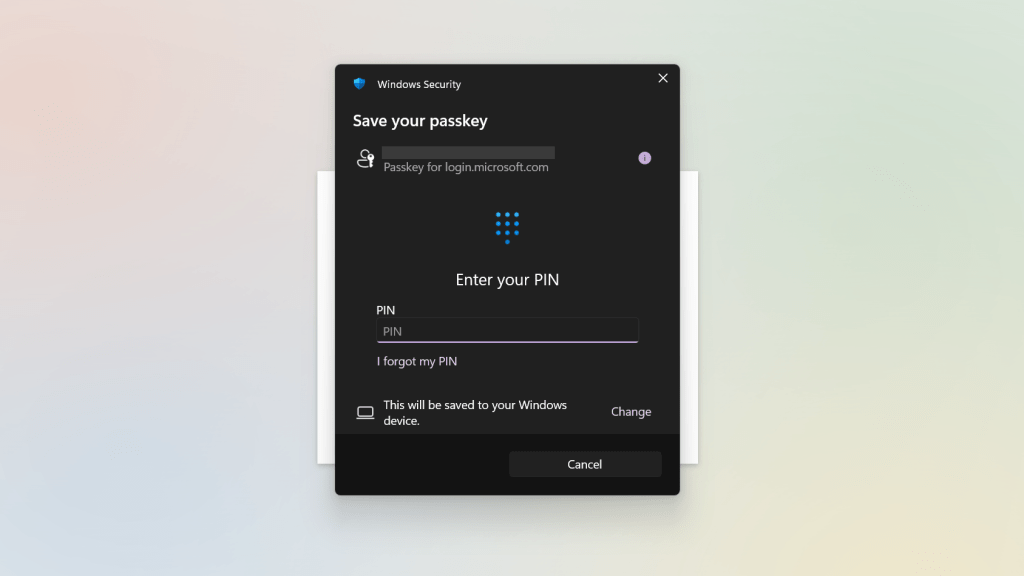
Users currently relying on SMS-based authentication are strongly advised to set up alternative verification methods through their account settings. Microsoft’s Authenticator app serves as a primary replacement, offering a more secure and user-friendly way to generate login codes. Additionally, support for hardware keys that comply with the FIDO2 standard provides an even more robust layer of security, resistant to phishing attacks. The company has also emphasized accessibility, ensuring that users with visual or motor impairments can navigate these new verification processes without barriers.
This transition aligns with broader industry efforts to adopt stronger authentication standards in response to rising cyber threats. While some users may initially resist the change due to familiarity with SMS-based logins, Microsoft’s approach demonstrates a careful balance between security and usability—a crucial consideration as digital identity becomes increasingly central to daily life.
The full deprecation of SMS verification is expected by late 2024. Users are encouraged to proactively update their authentication methods to avoid any potential disruptions once SMS-based logins are no longer supported, ensuring uninterrupted access to their accounts and services.