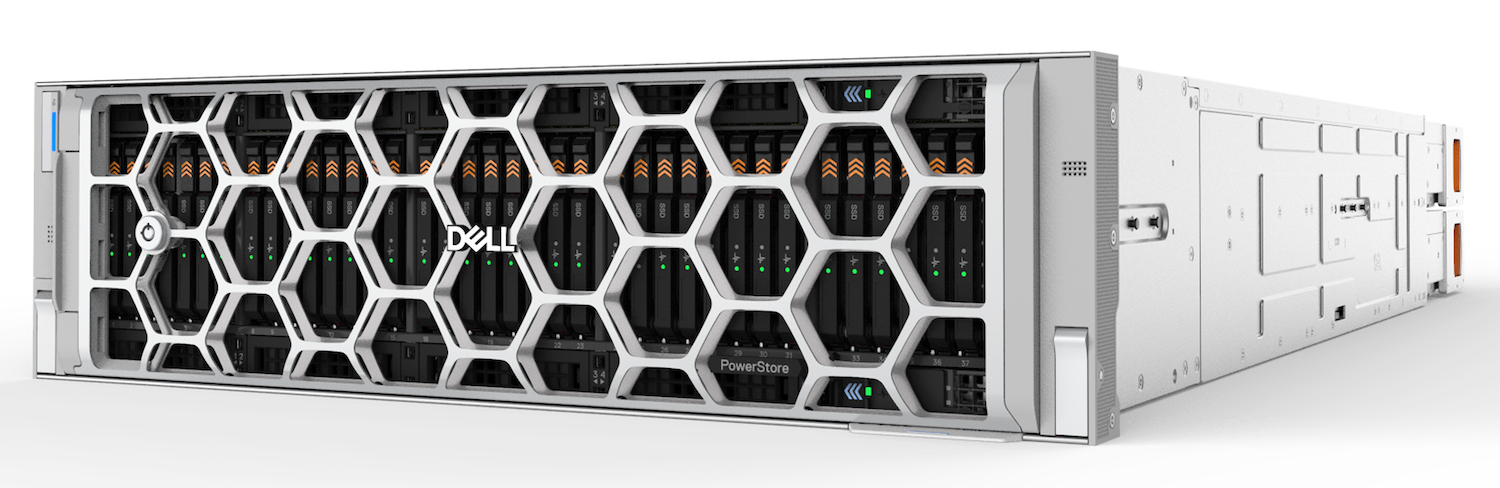
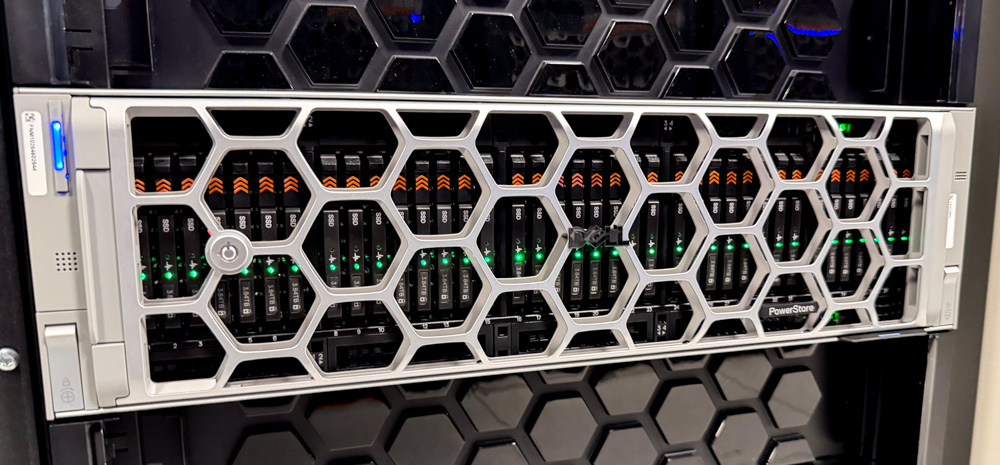
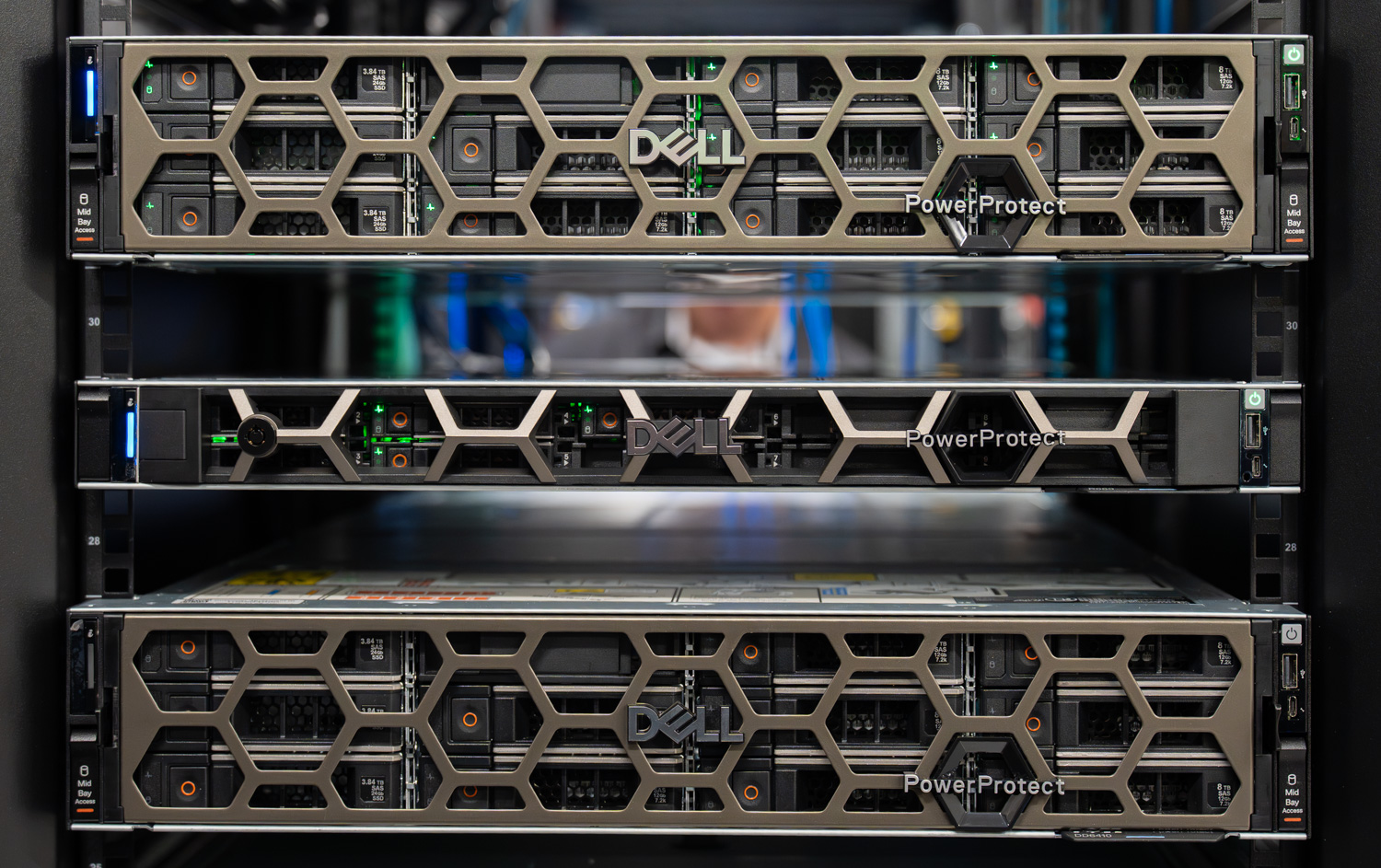
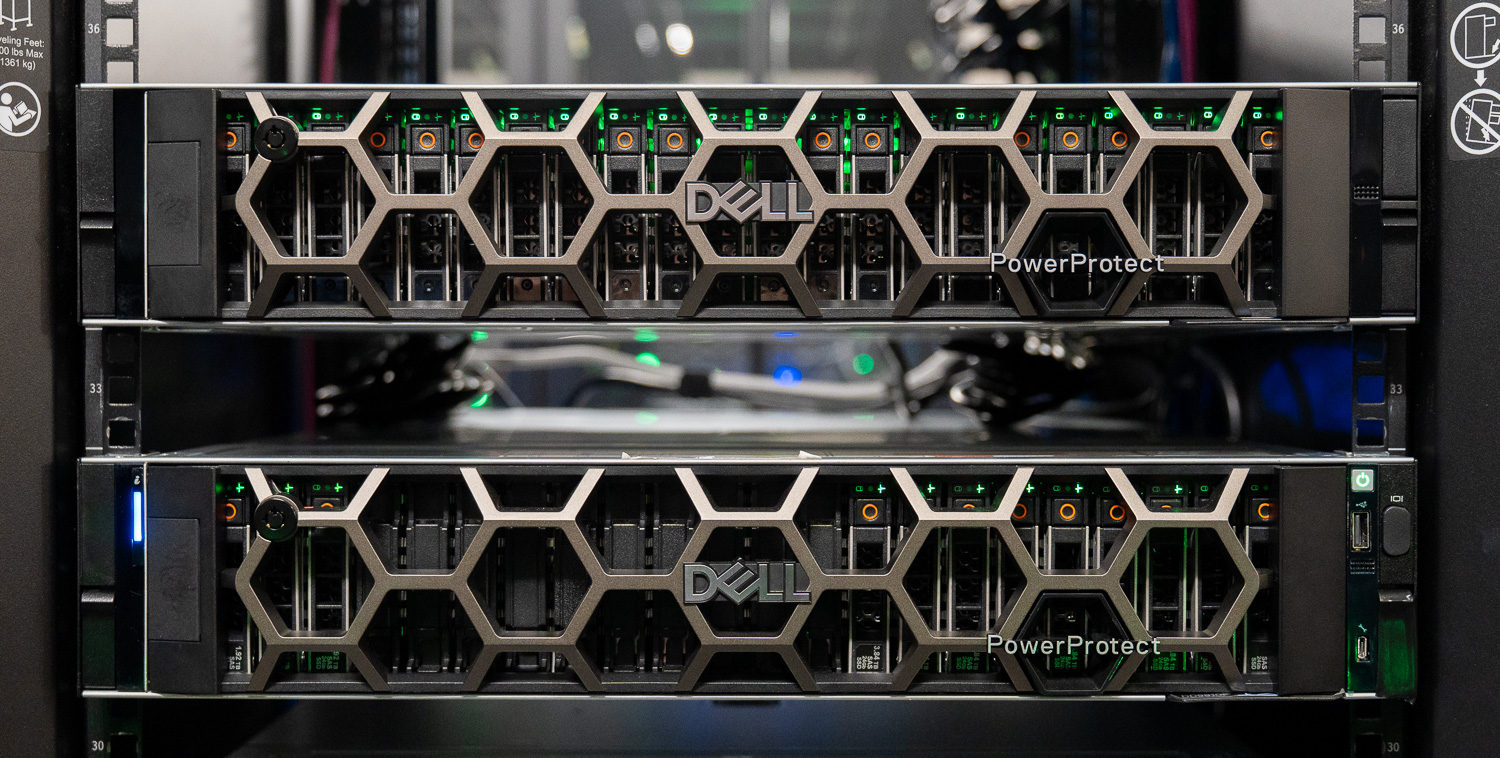
Enterprises are finally moving away from traditional spinning disks in their backup systems, but the transition isn’t just about speed—it’s about redefining how data is protected at the hardware level. Intel’s latest integration into the Dell PowerProct Data Domain all-flash appliance doesn’t just promise faster backups; it embeds encryption and security deeper into the storage stack than ever before.
The shift to an all-flash architecture in enterprise backup appliances has been slow, but this new generation of hardware is designed to handle the demands of modern workloads. Intel’s data protection engine, now part of the Dell PowerProct Data Domain, doesn’t just accelerate performance—it reworks how encryption and deduplication are handled at the hardware level. This means less CPU overhead for tasks that used to bottleneck even high-end servers.
Performance with Purpose
The numbers tell a clear story: this appliance delivers up to 10 TB/hour of backup throughput, with sub-5 ms latency for read operations. That’s not just a marketing claim—it’s the result of moving from spinning disks to NVMe-based flash and leveraging Intel’s integrated security features. The catch? Not every existing system can take advantage of these improvements without careful planning.
For developers working on backup or disaster recovery systems, this is a game-changer in terms of compatibility risks. Older applications that rely on legacy APIs or specific storage protocols may not play nice with the new hardware architecture. The all-flash transition isn’t just about dropping in faster drives—it’s a full rethink of how data flows through the system.
Security by Design
The real innovation here is Intel’s data protection engine, which handles encryption and deduplication at the hardware level. This reduces the load on CPUs, which can be critical in environments where backup windows are tight or workloads are CPU-intensive. The appliance also supports hardware-based key management, meaning sensitive keys never leave the secure enclave—an important feature for compliance-heavy industries.
But there’s a reality check: while the performance gains are substantial, not every enterprise will see immediate benefits. Migrations from traditional spinning disks to all-flash require careful testing, especially for applications that rely on specific storage characteristics or legacy protocols. The hardware-based security features are a step forward, but they also introduce new considerations for integration and support.
For those who adopt this technology early, the rewards are clear: faster backups, lower operational costs due to reduced CPU usage, and stronger security by default. However, the risks of compatibility issues mean that this isn’t a drop-in upgrade for everyone. Enterprises with tightly coupled legacy systems may find themselves in a tricky position, balancing performance gains against the cost of reworking existing workflows.
The Dell PowerProct Data Domain all-flash appliance with Intel’s data protection engine is more than just another storage upgrade—it’s a shift in how enterprises think about backup and security. It’s not for every organization, but for those willing to invest in compatibility testing and migration planning, the payoff could be significant.