Smartphone manufacturers are facing an unprecedented cost crisis, with memory prices now dominating the bill of materials (BOM) to the point where they could destabilize production. The surge has been stark: a standard configuration of 8GB RAM and 256GB storage has seen its cost skyrocket by nearly 200% year-over-year in the first quarter of 2026 alone.
What was once a modest 10–15% of a phone’s total manufacturing expense has ballooned to 30–40%, with projections suggesting it may soon exceed half of the overall cost. This shift is forcing manufacturers to confront a harsh reality: the economics of mid-range and budget devices are becoming unsustainable. Industry analysts warn that global smartphone production could shrink by as much as 15% this year if memory prices remain elevated, a contraction that would ripple through supply chains and reshape the market.
The strain is particularly acute for brands relying on high-volume, lower-priced models. Apple, however, appears to be navigating the storm with a mix of premium positioning and strategic timing. The company’s customer base—historically willing to absorb price increases—combined with its focus on high-margin Pro models, may allow it to mitigate the impact. Early indications suggest Apple is preparing to launch its next-generation iPhone 18 lineup in phases, with the Pro and Pro Max models arriving this fall while the base iPhone 18 and iPhone 18e push into spring 2027. This approach could help spread out the financial burden while maintaining price stability for flagship devices.
The iPhone 18 Pro is expected to retain its $1,099 starting price, while the Pro Max may hold steady at $1,199—prices that reflect Apple’s ability to absorb memory cost inflation through its ecosystem. Meanwhile, competitors without the same pricing flexibility may struggle to keep up, particularly as the transition to advanced 2nm chips adds another layer of expense.
Key Specs and the Cost Crisis
At the heart of the issue lies the memory configuration itself. While most modern smartphones ship with 8GB RAM as standard, the jump to 256GB storage—once a premium feature—has become a baseline expectation for many users. The combination now represents a disproportionate share of the BOM, squeezing profit margins.
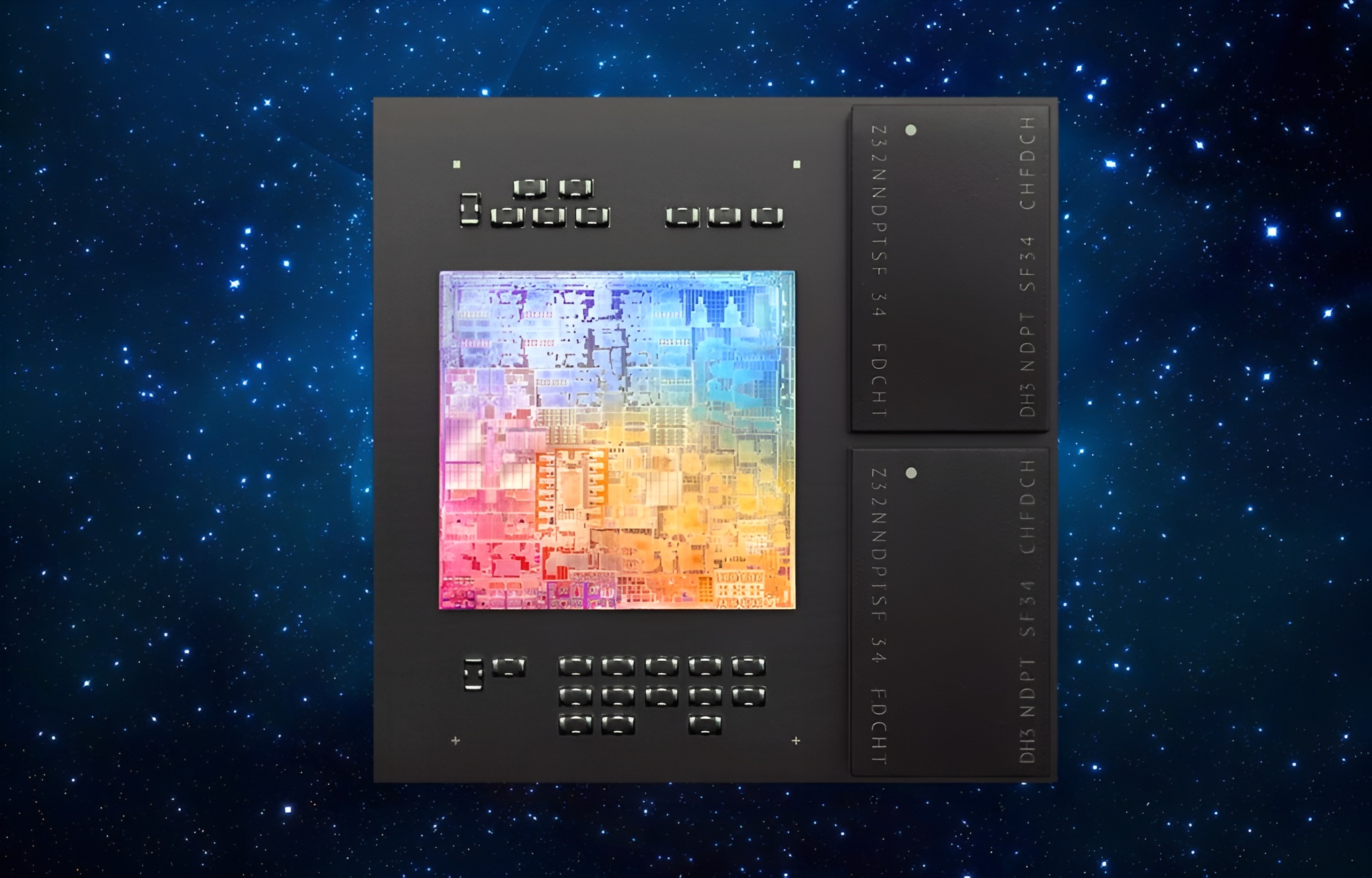
- Memory Configuration: 8GB RAM + 256GB storage (cost surged ~200% YoY in Q1 2026)
- BOM Impact: Memory now accounts for 30–40% of total manufacturing costs (up from 10–15%)
- Production Forecast: Global smartphone output may drop 10–15% in 2026 if trends persist
- Chip Transition: 2nm-based processors (e.g., Apple’s A20) add further cost pressure
- Apple’s Strategy: Staggered launch (Pro models first) to manage price stability
- Pricing Goals: iPhone 18 Pro at $1,099; Pro Max at $1,199 (unchanged from iPhone 17)
For most manufacturers, the challenge is clear: either absorb the cost hike and risk thinner margins, or pass the burden to consumers and risk alienating budget-conscious buyers. Apple’s ability to charge premium prices for its Pro models insulates it from this dilemma, but even the company is not immune to the broader market shifts. The question now is whether other brands can follow suit—or if the memory crunch will force a permanent realignment of the smartphone industry.
Who Stands to Lose the Most?
While Apple and Huawei (thanks to its stronghold in China) may weather the storm better than others, mid-tier brands could face the steepest declines. The 10–15% production drop forecast by analysts would disproportionately affect companies that rely on high-volume, lower-cost devices. Even those with loyal customer bases—like Samsung—may struggle to justify price hikes without alienating their audience.
The situation is further complicated by the transition to next-generation chips. Apple’s shift to a 2nm-based processor for the iPhone 18 series adds another layer of expense, one that competitors may find harder to match. For now, the industry is bracing for a year of tight margins, strategic pricing adjustments, and a possible reshuffling of market share.
Availability for the iPhone 18 lineup remains unconfirmed, but Apple’s phased approach suggests a deliberate effort to control costs while maintaining its premium positioning. For everyone else, the memory crunch is a wake-up call: the days of treating RAM and storage as afterthoughts are over.