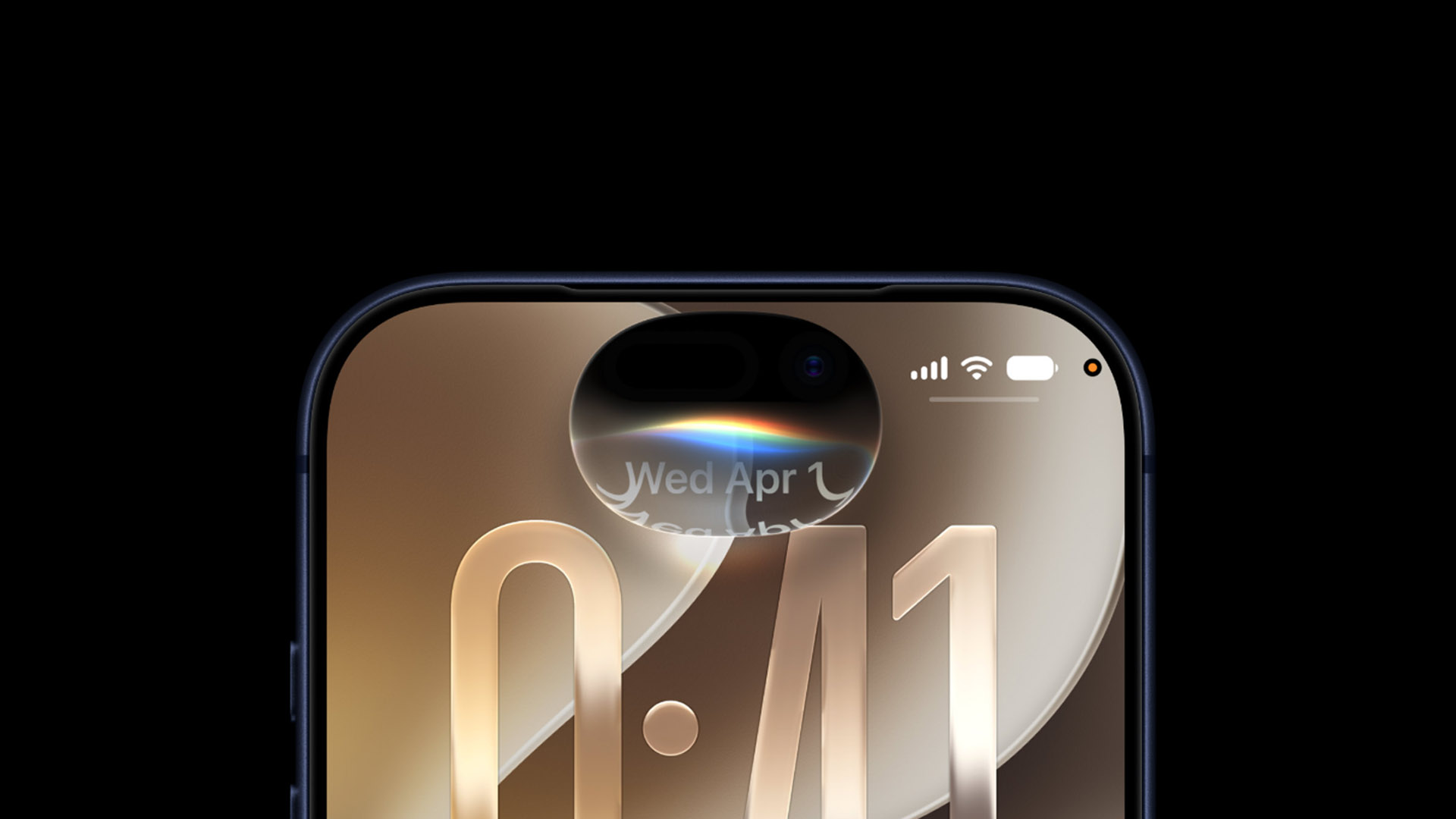
The iPhone 18 Pro and iPhone 18 Pro Max are set to redefine satellite connectivity by treating low-orbit satellites as functional extensions of cellular networks. Unlike previous implementations that relied on direct line-of-sight, Apple’s next-generation devices will integrate a new connectivity framework—New Radio Non-Terrestrial Networks (NR-NTN)—into the C2 5G modem, effectively turning satellites into distant cell towers. This shift could eliminate one of the most frustrating limitations of satellite-based communication: the need for an unobstructed view of the sky.
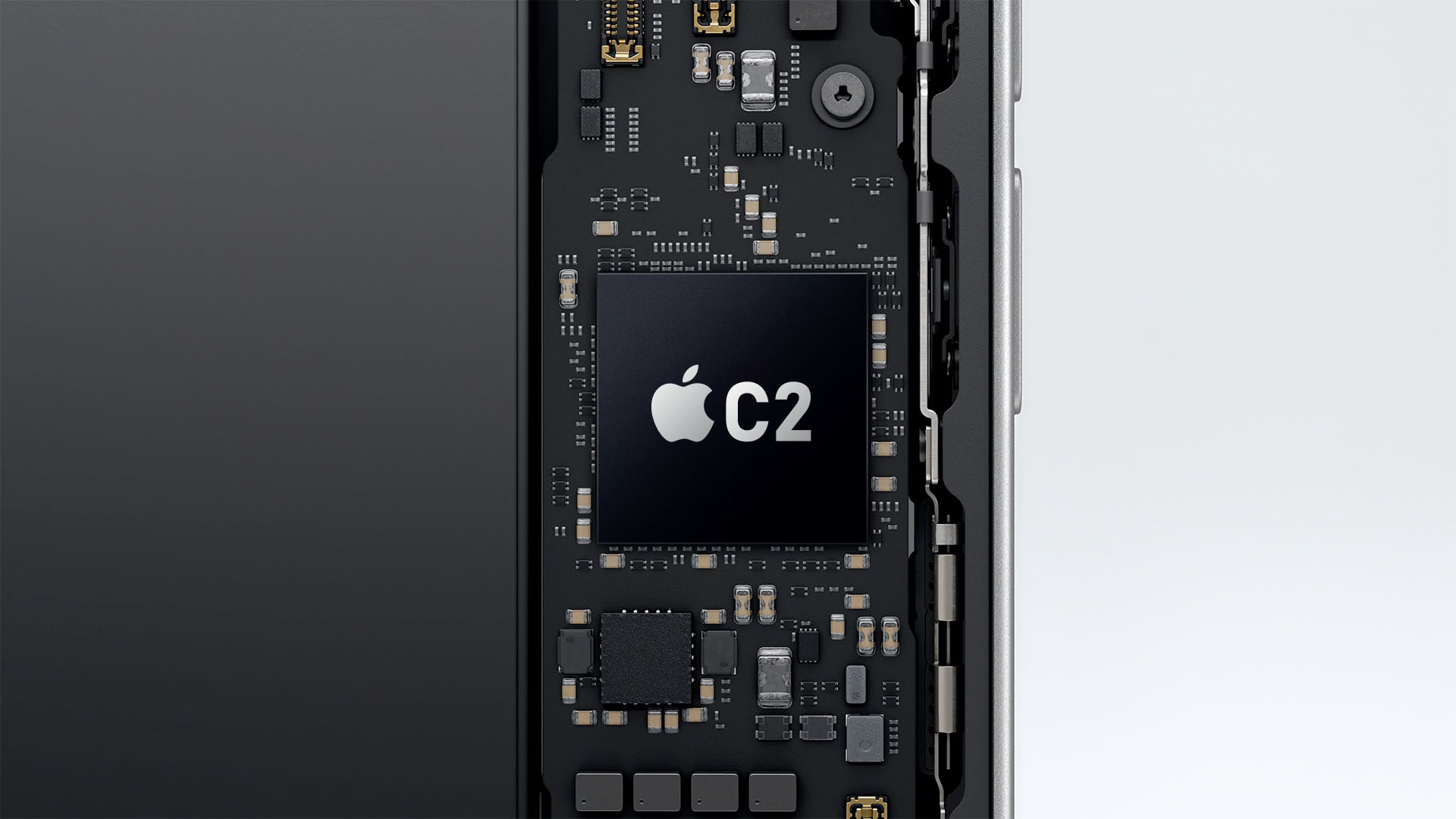
- The iPhone 18 Pro and Pro Max will feature Apple’s second-generation C2 5G modem, supporting both mmWave and sub-6GHz networks.
- NR-NTN will allow the devices to connect to satellites without requiring users to point their phones upward, enabling functionality even indoors or in enclosed spaces.
- Globalstar, Apple’s current satellite partner, must upgrade its infrastructure to support NR-NTN before the feature becomes operational.
- Initial rollout is expected in the U.S. and Canada, with broader global availability to follow.
- This upgrade builds on Apple’s Emergency SOS via satellite feature, which debuted in 2022 but was restricted to direct-sky communication.
Satellite connectivity has long been a niche capability in smartphones, primarily reserved for emergency use. The iPhone 14 series introduced Emergency SOS via satellite, but its reliance on a clear sky view severely limited its practicality. By integrating NR-NTN into the C2 modem, Apple is positioning satellite connectivity as a more robust, always-on solution—one that could eventually rival traditional cellular networks in remote areas. The C2 modem’s ability to handle both mmWave and sub-6GHz frequencies also suggests improved 5G performance in urban environments, where signal interference is common.
The transition to NR-NTN hinges on Globalstar’s ability to modernize its network. If delays occur, Apple may explore alternative partnerships, a move that would not be out of character for the company. For now, the focus remains on refining the technology before launch, with the iPhone 18 series expected to arrive later this year. This represents a significant evolution in how smartphones interact with satellite infrastructure, potentially setting a new standard for global connectivity.