MediaTek’s recent dominance in smartphone chipset shipments—where it outpaced Qualcomm, Apple, and Samsung for multiple quarters—now confronts a stark reality: the company’s financial health is heavily dependent on a single market segment at a time when its supply chain is under severe strain.
For the third quarter of 2025, smartphone SoCs accounted for **53% of MediaTek’s revenue**, a figure that underscores how deeply the Taiwanese manufacturer’s fortunes are tied to mobile processors. Yet, as DRAM and NAND flash prices have climbed by **70% and 100% respectively**, the cost of producing high-end chips like the upcoming **Dimensity 9600—built on TSMC’s advanced 2nm process—could squeeze margins and disrupt production timelines.
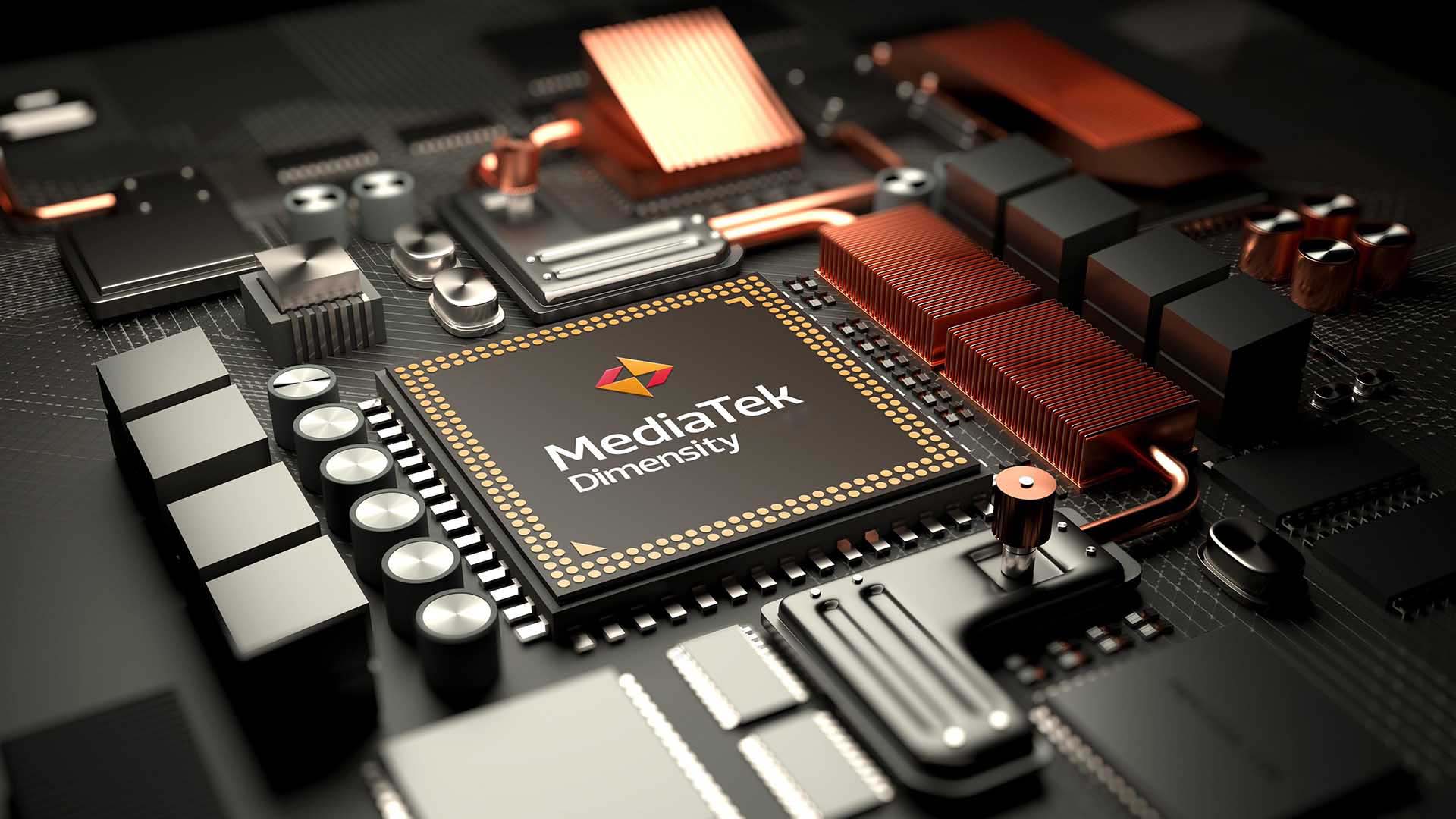
The Dimensity 9600, expected later this year, represents MediaTek’s most ambitious silicon yet, but its success hinges on two critical factors: securing stable memory supplies and maintaining its pricing advantage over competitors. Unlike Qualcomm, which is rumored to introduce **two flagship variants (Snapdragon 8 Elite Gen 6 Pro and Gen 6)** in 2026, MediaTek’s pipeline remains narrow, leaving it vulnerable if demand softens.
Why Memory Prices Matter More Than Ever
The DRAM shortage isn’t just a temporary hiccup—it’s a structural challenge for MediaTek, which lacks the in-house IP for CPU and GPU cores. While the **Dimensity 9500** (a 3nm chip) already trailed competitors like the Snapdragon 8 Elite Gen 5 in efficiency benchmarks, the 2nm Dimensity 9600 will demand even more memory bandwidth, particularly with support for **LPDDR5X** and larger cache configurations. If memory costs remain elevated, the chip’s premium positioning could become unsustainable.
Chinese OEMs—MediaTek’s largest customers—are already revising shipment forecasts downward, adding to the pressure. The company’s reliance on ARM-based designs, while cost-effective, has historically limited performance per watt compared to Qualcomm’s custom Oryon cores. Without a breakthrough in efficiency or a diversification into new markets (like Apple’s 5G modem business, where MediaTek was once a supplier), the path forward narrows.
The 2nm Gamble and What’s Next
The Dimensity 9600’s tape-out on 2nm was a technical milestone, but its commercial viability now depends on executing at a scale where memory inflation doesn’t erode profits. MediaTek’s strategy has long centered on affordability—its chips are cheaper than Qualcomm’s—but if DRAM prices don’t stabilize, even that edge could fade.
For now, the focus is on two fronts: mitigating supply risks and accelerating alternative revenue streams. Whether that means expanding into automotive, IoT, or even developing proprietary core designs remains unclear. One thing is certain: the memory crisis has exposed MediaTek’s single largest vulnerability—and time is running out to address it.