A 13-inch laptop, built to Apple’s usual exacting standards, has just arrived at a price point that blurs the line between value and premium. It doesn’t call itself budget, yet it undercuts every other MacBook by hundreds of dollars while delivering performance that rivals higher-tier models in everyday tasks.
At a glance
- Performance: A18 Pro chip (6-core, 16-core Neural Engine) matches M-series single-core speeds; multi-core lags behind M3.
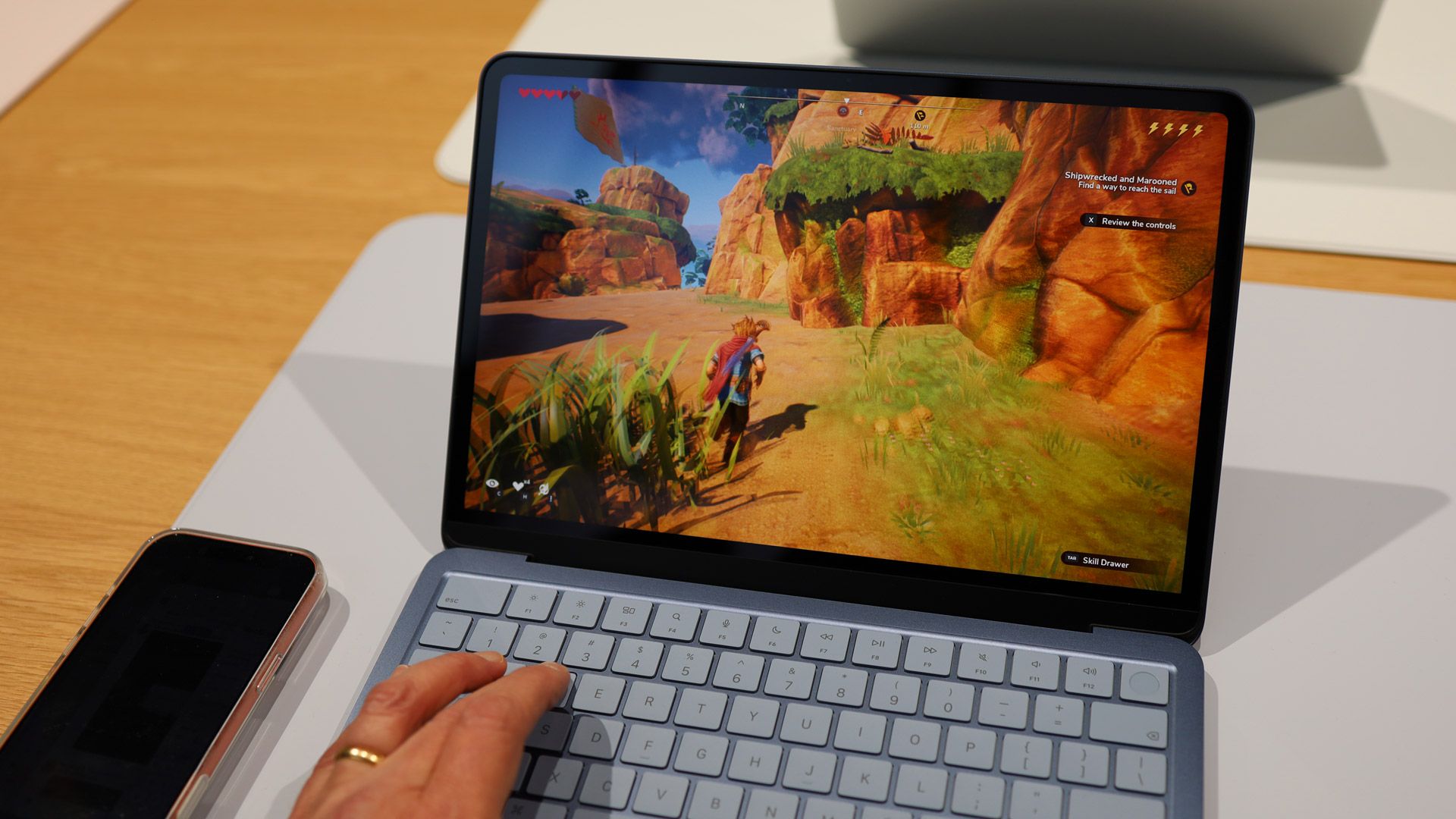
- Display: 13-inch Liquid Retina, 500 nits, sRGB color gamut—no True Tone or P3 support.
- Ports: One USB-C (USB 3, 10 Gbps), one USB-C (USB 2, 480 Mbps); rear port is faster for data and display output.
- Storage & Memory: 256GB SSD, 8GB unified RAM—upgrade to 512GB costs $100 more.
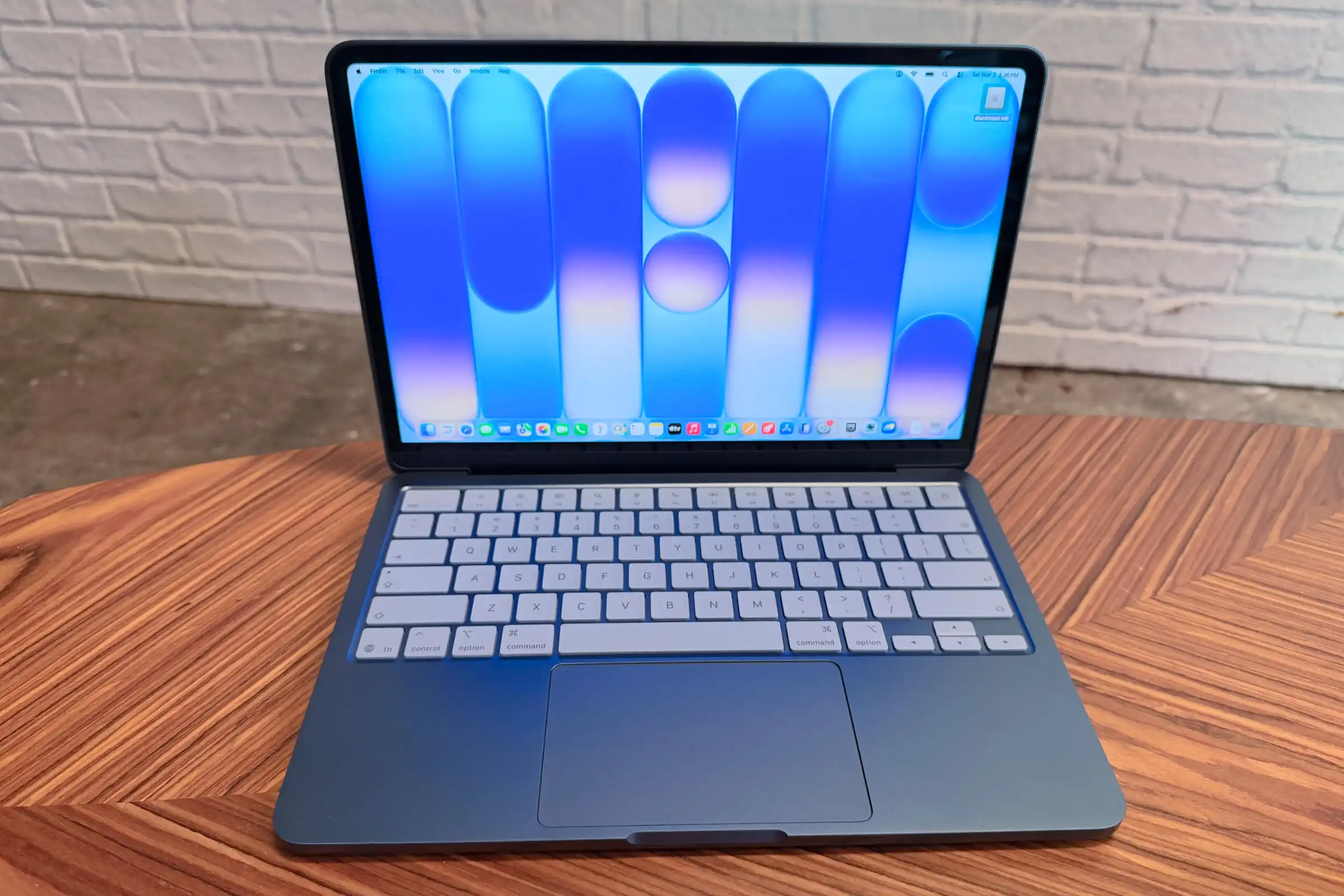
The MacBook Neo is the first laptop in Apple’s lineup to use an A-series chip, normally reserved for iPhones and iPads. It’s also the thinnest aluminum-chassis Mac yet, with color options that feel distinct from the rest of the family: Blush, Citrus, Indigo, and Silver.
Why it matters now
The Neo arrives as Apple quietly shifts its strategy for entry-level laptops. It’s not a stripped-down Air or Pro—it’s a full MacBook with the same build quality and attention to detail, but with deliberate compromises that let it sit at $599 (or $499 through education channels). Those compromises are visible: no Thunderbolt, no P3 color gamut, no Force Touch trackpad. But they’re not dealbreakers for the audience Apple is targeting.
What you gain
- Single-core speed: The A18 Pro’s performance core runs just 5% slower than the latest M4 chip, making it one of the fastest mobile chips on the market.
- Battery life: Up to 16 hours of video playback—enough for a full workday without reaching for the charger.
- Display quality: A sharp, evenly lit 2408×1506 panel with 219 PPI and 1 billion colors; brightness is sufficient for most indoor use.
That’s the upside—here’s the catch. The laptop’s multi-core performance trails older M-series chips, and its SSD speed is slower than even the entry-level M1 Air. For tasks like 4K video rendering or heavy data processing, it’s not a match for higher-tier MacBooks.
Who it’s built for
The Neo is aimed at three groups: longtime Mac users who’ve felt overcharged for an Air, Windows switchers looking for a low-risk entry point, and newcomers to the Apple ecosystem. It’s not designed for color-critical work or high-end gaming, but those aren’t its promises.
Key specs
- Chip: A18 Pro (6 performance + 4 efficiency cores)
- GPU: 5-core integrated graphics (matches M1 GPU performance in Geekbench)
- Memory: 8GB unified RAM (60 GB/s bandwidth)
- Storage: 256GB SSD (slower than M-series SSDs; upgrade to 512GB adds $100)
- Display: 13-inch, 2408×1506, 219 PPI, 500 nits, sRGB
- Ports: Dual USB-C (one USB 3, one USB 2); no Thunderbolt or HDMI
- Camera: 1080p FaceTime camera (no 12MP Center Stage)
- Battery: 36.5Wh, up to 16 hours video playback
- Power: 20W adapter included; no fast-charging support
- Wireless: Wi-Fi 6E (802.11ax), Bluetooth 6
The dual-USB-C ports are the most noticeable trade-off: one is USB 3, the other USB 2. Apple says this reflects chip limitations rather than cost-cutting, but it forces users to learn which port to use for faster tasks like external display output.
What’s missing
- No Touch ID on base model (adds $100 for 512GB + Touch ID)
- No True Tone or P3 color support—sRGB only
- Multi-core performance lags M-series chips by a noticeable margin in rendering tasks
- SSD speed is slower than even the M1 Air
The Neo isn’t for power users, but that’s exactly what Apple wants. It’s a laptop that can handle documents, spreadsheets, basic media editing, and light data tasks without hesitation. For more demanding workloads, the step up to an M-series MacBook is clear.
What to watch
Availability is immediate, with a $599 base price (education pricing at $499). The higher-end $699 configuration adds 512GB storage and Touch ID. No other models or colors are announced, but the Neo’s position as the most affordable MacBook yet suggests Apple may expand this tier in future updates.