An engineer testing a prototype laptop finds it running cooler than expected—despite pushing workloads that would usually push power limits. That scenario could soon be standard with Intel’s Wildcat Lake CPUs, which are designed to balance performance and battery life in ultra-power-efficient devices.
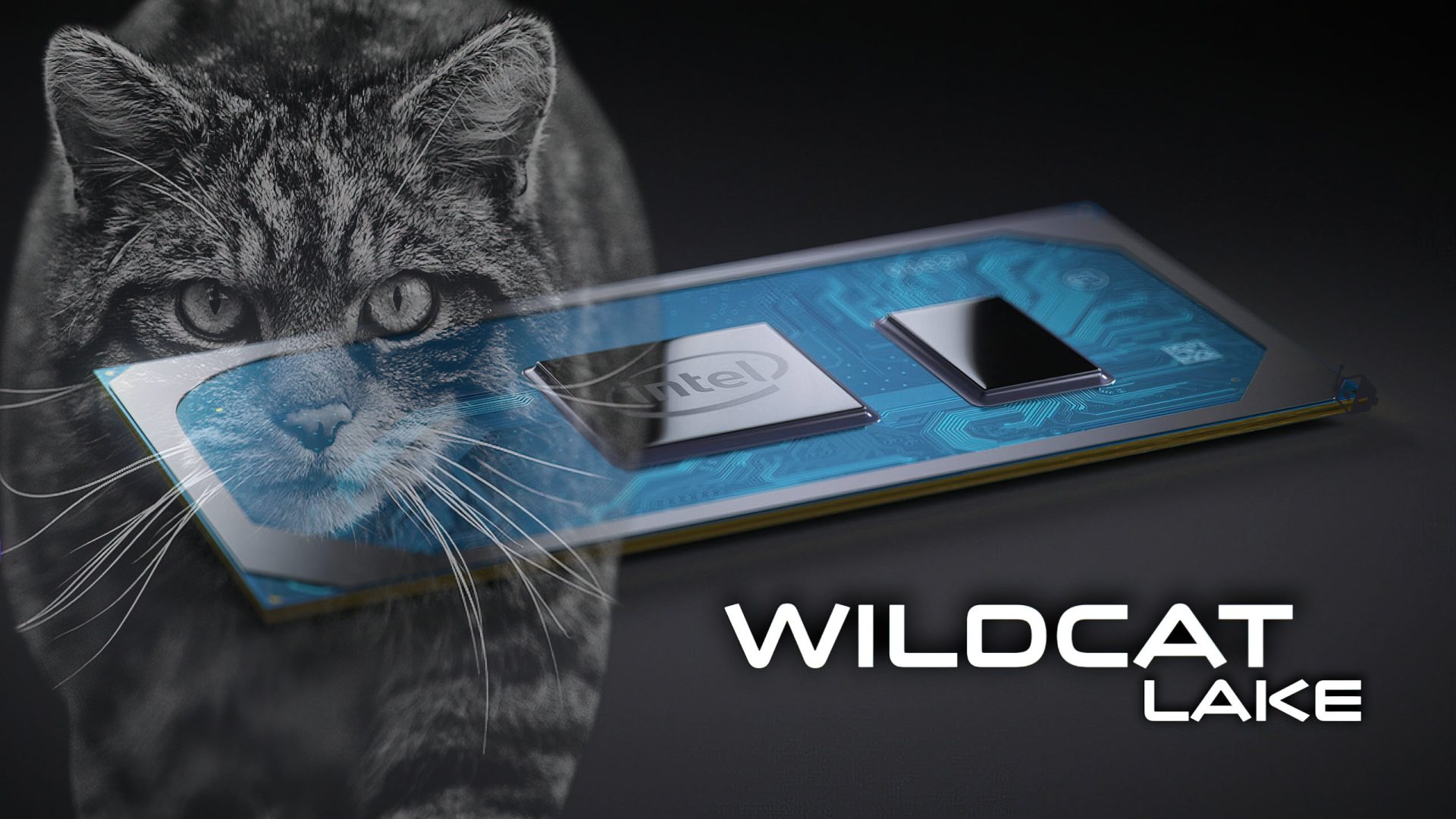
The new chips, spotted in an NBD shipping manifest, confirm a 15 W TDP, up from previous generations, along with a 2+4 core configuration (2 Performance cores and 4 LP-E cores) and no Efficient cores. They will use a chiplet design, avoiding the monolithic approach of Panther Lake, and support Thunderbolt 4, LPDDR5X/DDR5 memory, and a smaller BGA 1516 package.
- Boost clock: Up to 1.5 GHz
- L3 cache: 6 MB
- TDP: 15 W (up from previous ultra-power-efficient chips)
- Core configuration: 2 Performance cores + 4 LP-E cores (no Efficient cores)
- Memory support: LPDDR5X/DDR5
- Package: BGA 1516 (smaller than Panther Lake’s BGA 2540)
The Wildcat Lake series will also deliver up to 40 TOPS of AI power, combining CPU, GPU, and NPU performance. The GPU offers 18 AI TOPS, the NPU another 18, and the CPU up to 4. However, the GPU will be weaker than Panther Lake’s integrated graphics, featuring only 2 Xe3 cores.
This move positions Intel to compete more aggressively in the ultra-power-efficient market, where battery life and thermal efficiency are critical for creators working on thin-and-light devices. The 15 W TDP is a notable increase from previous generations, suggesting a trade-off between power efficiency and performance that could influence how OEMs design future systems.
While the exact launch date remains unclear, industry speculation points to a first-half 2026 debut, with a refreshed lineup expected in 2027. The absence of Efficient cores and the chiplet design hint at a focus on simplicity and scalability, but questions remain about how this will perform against competitors like AMD’s upcoming offerings.
The strategic value here is clear: Intel is doubling down on power efficiency without sacrificing core performance, which could reshape the landscape for ultra-thin laptops and mini PCs. However, whether this balances real-world productivity and battery life remains to be seen—creators will need concrete benchmarks to judge if the 15 W TDP delivers on its promise of longer runtime without thermal throttling.