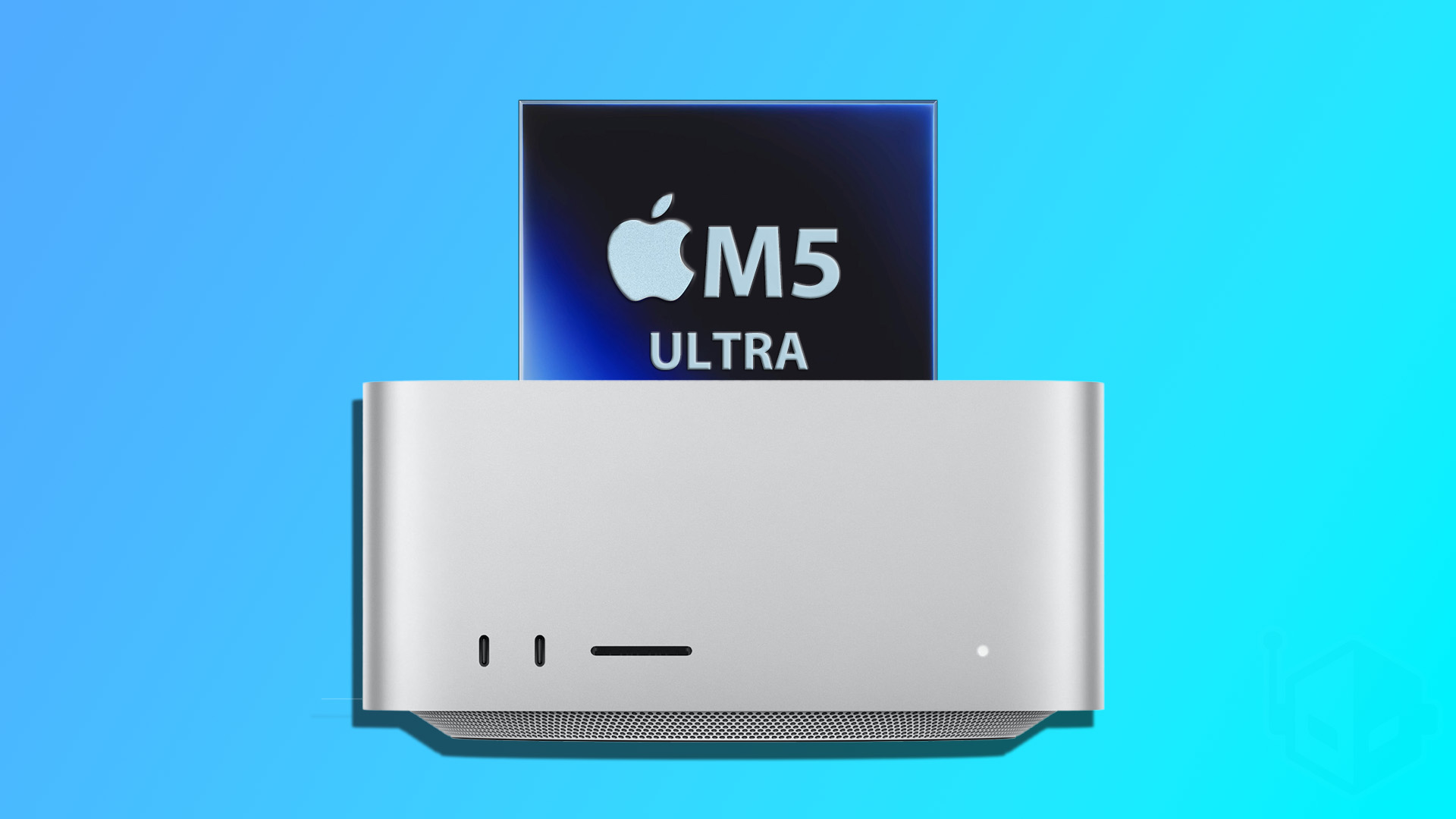
Apple’s Mac Mini has long been a quiet workhorse in small offices, its compact form factor belied by serious processing power. But a recent wave of third-party enclosures is transforming it into something far more capable: an AI-ready desktop that can handle heavy workloads without the need for a full tower system.
At the heart of this shift are new GPU enclosures designed to slot beneath or beside the Mac Mini, effectively turning Apple’s entry-level machine into a mini supercomputer. These enclosures—available from multiple manufacturers—house either NVIDIA RTX 40-series cards or AMD Radeon RX 7000-series GPUs, providing the kind of parallel processing power typically reserved for high-end workstations.
For small businesses, this means breaking free from the traditional trade-off between performance and space. A Mac Mini paired with one of these enclosures can now deliver AI inference speeds that rival dedicated servers, all while fitting under a standard desk monitor arm. The enclosure itself is a simple metal box, often no larger than a paperback novel, but inside it routes power, cooling, and PCIe signals to the GPU without requiring any internal modifications to the Mac Mini.
The transition from passive desktop to active AI engine isn’t seamless, however. Users must still manage driver compatibility, thermal throttling, and workload distribution between the integrated Apple Silicon chip and the external GPU. But for businesses running lightweight models—such as on-device vision tasks or local language processing—the performance uplift is immediate and noticeable.

- GPU support: NVIDIA RTX 4090 (24GB GDDR6X), RTX 4080 (16GB GDDR6X), RTX 4070 (12GB GDDR6), or AMD Radeon RX 7900 XT (20GB GDDR6).
- Power delivery: External PSU included; no Mac Mini modifications required.
- Cooling: Active heatsink with dual fans, maintaining GPU temps under sustained AI loads.
- Connectivity: Single PCIe 4.0 x16 slot exposed via Thunderbolt 3/4 cable (no direct internal slot).
The real advantage for small businesses lies in cost efficiency. A Mac Mini with an RTX 4070 enclosure, for example, can deliver 90% of the AI throughput of a much larger, more expensive workstation—without the added complexity of managing multiple components or proprietary software stacks. This is particularly valuable in sectors like retail, where edge computing can process customer data on-site without cloud latency.
Looking ahead, the trend suggests a growing niche for modular, high-performance desktops that balance Apple’s ecosystem with third-party hardware innovation. For businesses evaluating upgrade paths, timing will be critical: wait for software maturity around external GPU drivers, but don’t let the fear of complexity delay adoption if local AI processing is already a priority.
The single most important change this represents is the democratization of high-performance AI acceleration in compact form factors, making it viable for small teams to deploy advanced workloads without compromising on desk space or stability.