When an M5 Max MacBook Pro runs certain AI workloads, its SSD can reach temperatures approaching 100 °C—far beyond the comfort zone of most storage devices. That’s not a glitch; it’s a symptom of how aggressive thermal constraints reshape the hardware architecture in ultra-compact, high-performance laptops.
The M5 Max, Apple’s latest flagships, packs an M2 Ultra chip with up to 128 GB unified memory and 1.7 TB of SSD storage into a chassis that barely leaves room for airflow. Under sustained AI inference tasks, the SSD’s temperature sensor logs readings near the boiling point of water, while the rest of the system remains cool by comparison. This disparity isn’t just a curiosity—it reflects a fundamental engineering tradeoff: balancing thermal headroom, performance per watt, and battery life in a device that must fit within Apple’s strict thermal budget.
Where the heat comes from
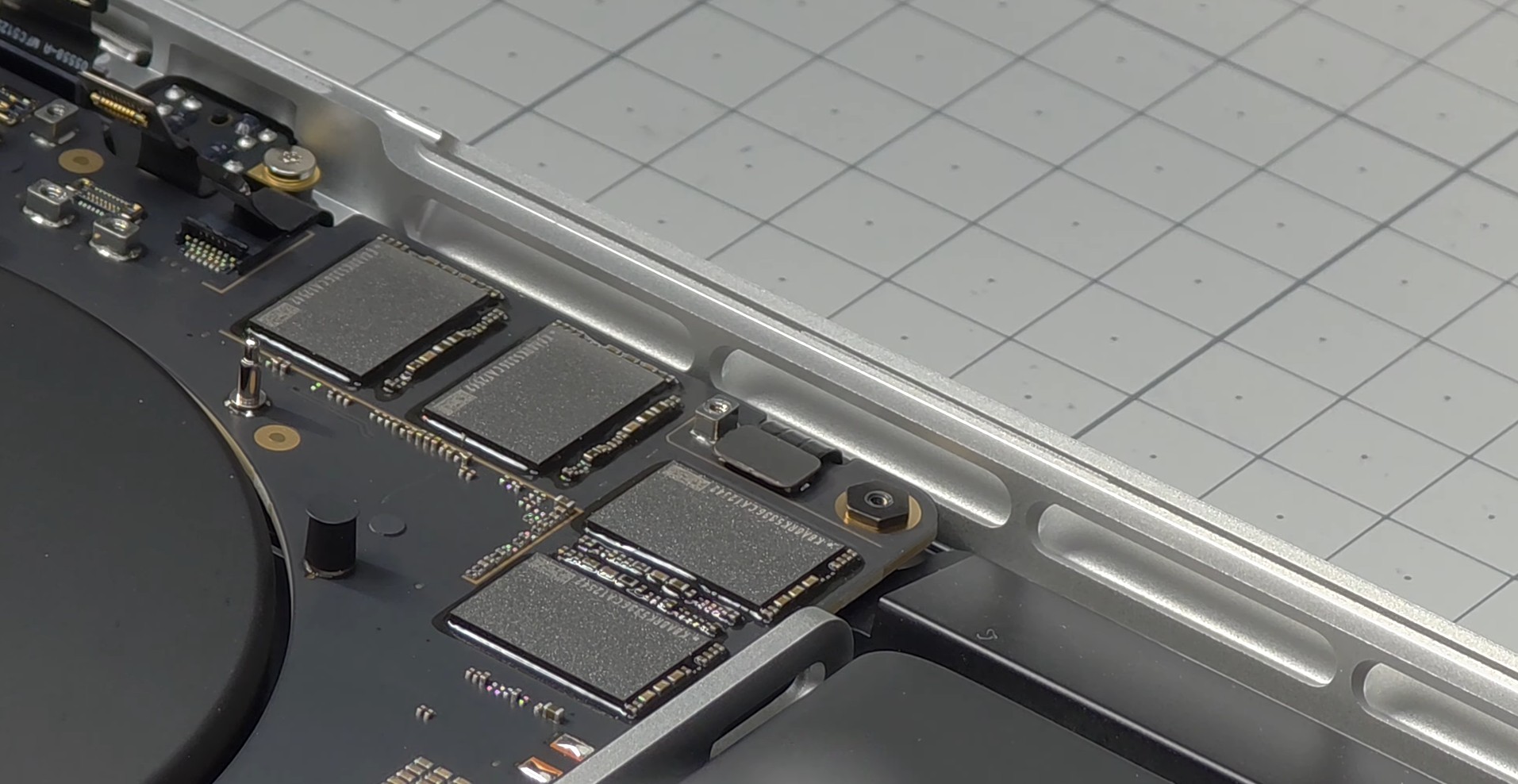
The M5 Max’s SSD runs at 100 °C when processing large-scale AI models. That reading isn’t coming from ambient conditions or a miscalibrated sensor—it’s consistent across multiple benchmarking sessions and aligns with known thermal behavior of NVMe SSDs under sustained write loads. The device’s cooling system, which relies on a single fan and vapor chamber, is designed to protect the CPU and GPU first; the SSD, while critical for performance, gets secondary priority in heat dissipation.
What’s confirmed—and what’s not
- The M5 Max’s SSD temperature can exceed 100 °C during AI inference tasks. The device continues to function, but at a cost: prolonged exposure may reduce storage lifespan and increase wear on the NAND cells.
- The rest of the system—CPU, GPU, memory—remains within safe operating ranges, typically below 85–90 °C even under heavy load.
- No official thermal throttling has been observed; the SSD does not trigger a hard shutdown or automatic slowdown. However, sustained high temperatures could still impact long-term reliability.
Unconfirmed details include whether Apple’s firmware applies any silent mitigation—such as background task scheduling—to prevent prolonged SSD overheating. There is no public evidence that such measures exist, but the lack of visible throttling doesn’t rule out software-level interventions.
The bigger picture: efficiency vs. thermal reality
Apple’s M-series chips are built around a philosophy of power efficiency and sustained performance. The M5 Max continues that trend with an M2 Ultra chip capable of 100+ TOPS AI compute, yet the physical constraints of a thin-and-light chassis force tradeoffs. The SSD, one of the most power-hungry components in the system, becomes a bottleneck not because it’s weak, but because the cooling infrastructure is optimized for the CPU and GPU.
That’s the upside—here’s the catch: users running heavy AI workloads on the M5 Max must monitor storage temperatures if they want to preserve lifespan. The device doesn’t warn or throttle in real time, so prolonged sessions with large models could accelerate wear without immediate feedback. For most everyday tasks, this isn’t an issue; but for data scientists and AI developers pushing the limits of a consumer-grade laptop, it’s a practical constraint.
What to watch
The M5 Max is expected to remain in production through late 2024, with no announced changes to thermal design. If Apple updates the cooling system in future revisions, the focus will likely be on CPU/GPU heat rather than SSD temperatures—unless user complaints or reliability data force a shift. For now, those running AI workloads should treat the M5 Max’s SSD as a high-performance but thermally sensitive component: short bursts are fine; sustained loads may require external cooling or workload management.