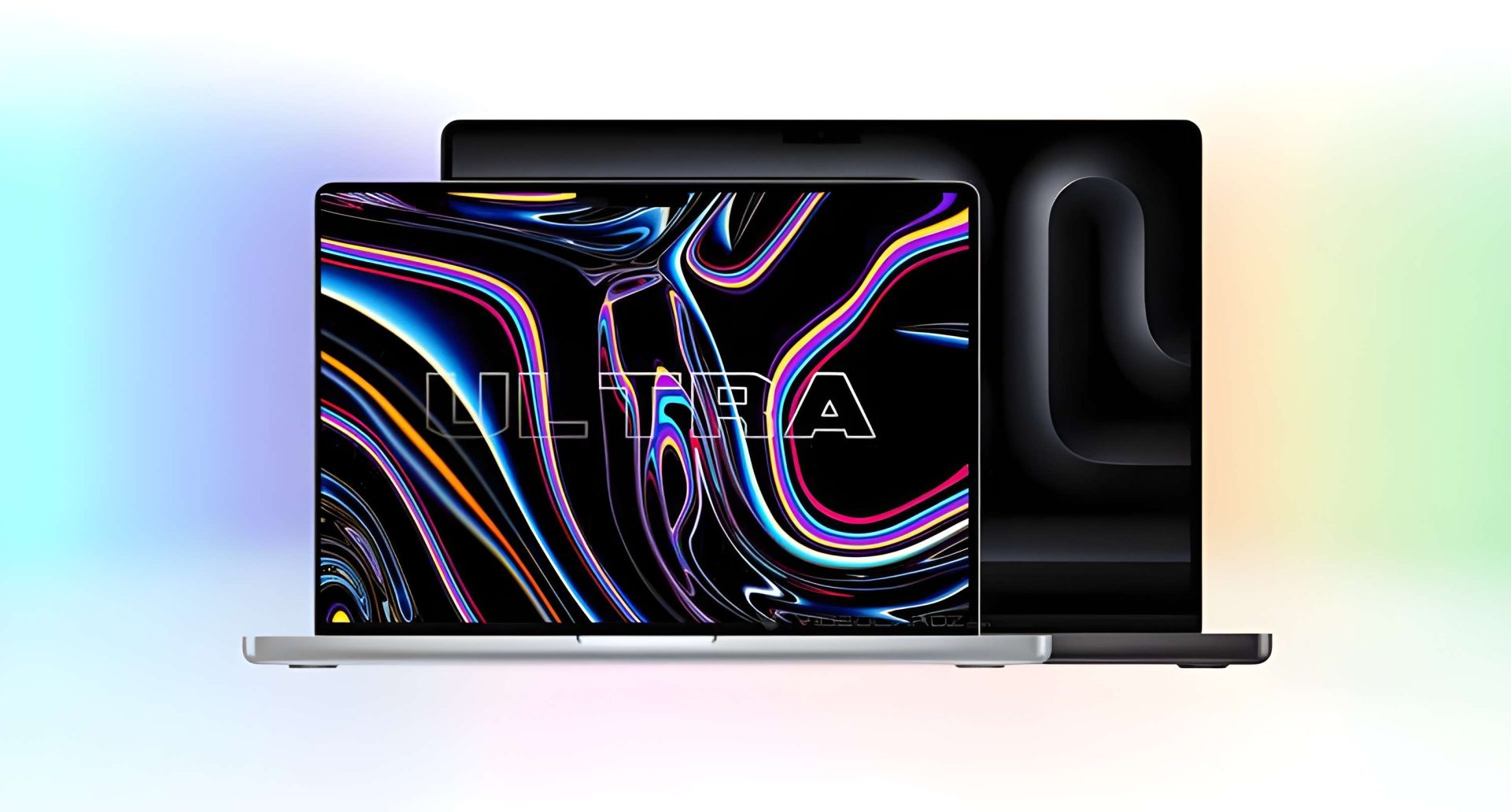
The gap between the M4 and M5 MacBook Air models has never been more pronounced in terms of pricing. While the M5 lineup continues its upward trajectory starting at $1,099, select configurations of the previous-generation M4 are now available with discounts reaching $300. This shift creates a rare opportunity for buyers who prioritize value over incremental hardware upgrades.
The M4 model retains the same fanless design introduced with the M3, complete with a large heatsink to manage thermal performance. However, without active cooling, sustained workloads on the M5’s more powerful chipset would likely trigger aggressive thermal throttling—a limitation not present in the MacBook Pro line, which includes dedicated fans for prolonged high-performance tasks.
For enterprises, this means a trade-off between upfront cost and long-term scalability. The M4’s 16GB or 24GB unified memory (depending on configuration) paired with 512GB or 1TB storage remains sufficient for most productivity workloads, but the lack of upgrade paths could become a constraint as data demands grow.
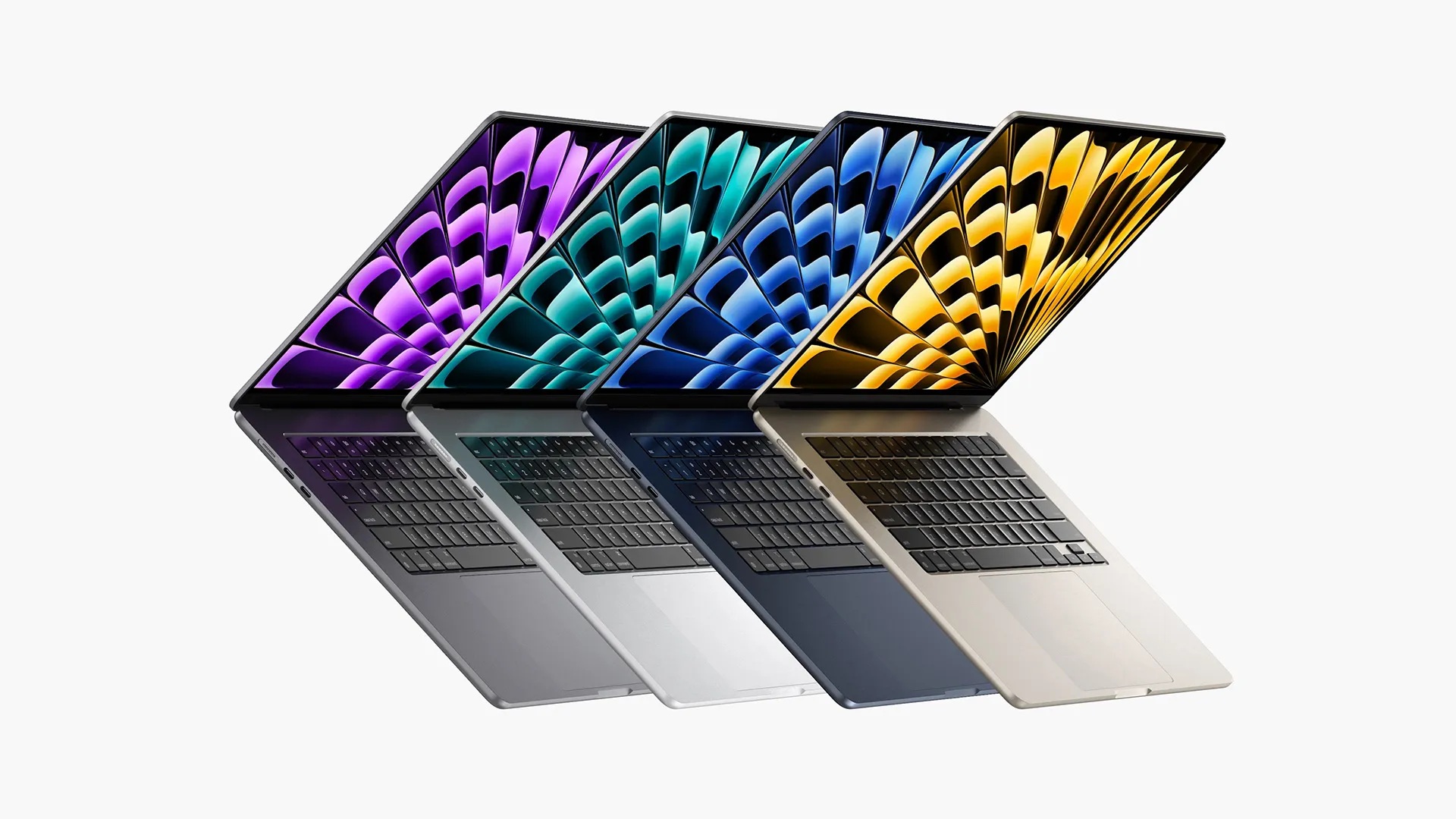
- Display: 13.6-inch Liquid Retina (2560 x 1664), 15.3-inch Liquid Retina (2880 x 1864)
- Chipset: Apple M4 (8-core CPU, up to 10-core GPU)
- Memory: 16GB or 24GB unified memory
- Storage: 512GB or 1TB SSD
- Design: Fanless with large heatsink, aluminum unibody construction
- Ports: Two USB-C/Thunderbolt ports (USB 4), MagSafe 3 charging port, headphone jack
The M4’s storage options—512GB or 1TB—reflect a shift from the M5’s base 256GB to 512GB upgrade. This change aligns with Apple’s broader trend of increasing baseline capacity, though the M4 still lags behind newer models in raw performance benchmarks.
Right now, the M4 is best suited for buyers who need a reliable, portable machine for email, document editing, and light multimedia tasks without the premium price tag. For enterprises planning longer hardware lifecycles, this discount could stretch budgets while still delivering modern efficiency—though future-proofing will depend on how quickly software demands outpace the M4’s capabilities.