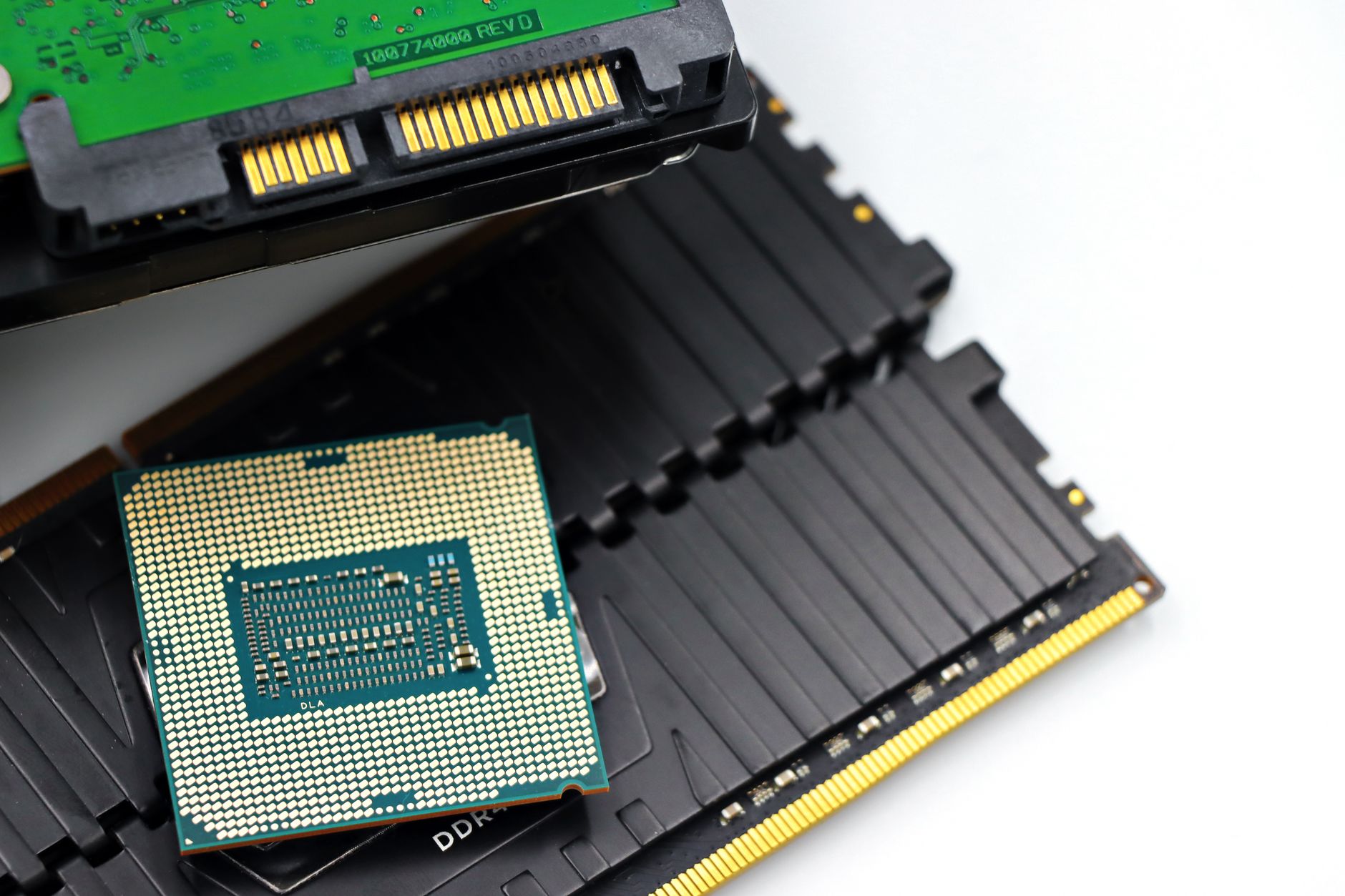
Lenovo is issuing a direct warning to gamers and PC enthusiasts: the window for securing hardware at competitive prices is closing fast. The company’s North America president, Ryan McCurdy, has framed the current market as a rare opportunity—one where today’s pricing could soon become a distant memory. His advice? Act now.
McCurdy’s caution stems from a convergence of factors reshaping the PC supply chain. The most immediate concern is the acceleration of AI-driven infrastructure demands, which NVIDIA’s CEO has described as the ‘world’s largest buildout.’ This surge is placing unprecedented strain on critical components, particularly DRAM and NAND, with shortages extending at least through 2027. For gamers already grappling with elevated prices, the message is clear: delays may mean paying significantly more down the line.
Industry observers report that hardware availability is evaporating at an alarming rate. An unnamed U.S. system integrator noted that stock levels are depleting faster than ever, suggesting that scarcity—not just pricing—will become the defining challenge for buyers in the coming quarters. Lenovo’s position aligns with broader trends: memory prices have surged to levels unseen in years, with DRAM now commanding a 125% premium in some cases, turning what was once a stable market into a seller’s paradise.
The urgency isn’t limited to high-end components. CPUs, GPUs, and even mid-range hardware are feeling the ripple effects, as manufacturers scramble to meet demand from data centers, cloud providers, and AI workloads. For consumers, the question isn’t just whether to upgrade—it’s whether to do so before the next price hike.
Lenovo’s stance reflects a broader industry shift. While the PC market grew nearly 10% last quarter, the growth was largely driven by panic buying ahead of anticipated shortages. Analysts suggest this trend will persist, with no relief in sight for memory-dependent products. Companies like HP have already turned to alternative suppliers, including Chinese firms like CXMT, in an attempt to stabilize their inventories.
For gamers, the takeaway is straightforward: if an upgrade is on the horizon, timing matters. Current stock may offer the best value for the next six to 12 months, according to Lenovo’s assessment. With DRAM and NAND shortages showing no signs of abating, those waiting for ‘better deals’ could find themselves caught in a cycle of rising costs and dwindling options.
The advice isn’t just theoretical. Benchmarking and retail data point to a market where prices are already at elevated levels, and further increases are likely as AI infrastructure projects ramp up. Lenovo’s warning serves as a reminder that, in an era of supply chain volatility, patience may come at a steep price.