Lenovo’s latest hardware lineup marks a significant shift toward AI integration, where intelligence isn’t just an add-on but a fundamental part of how devices operate. This approach spans multiple product categories, from productivity tools to gaming peripherals, each designed to leverage AI for more intuitive and efficient workflows.
The Yoga Book Pro 3D Concept eliminates traditional 3D creation barriers by replacing physical peripherals with zero-touch gestures. An RGB camera tracks mid-air movements, allowing users to manipulate 3D models without external tools. Meanwhile, dual PureSight Pro Tandem OLED displays handle complex interfaces, while the upper screen uses AI to convert 2D content into interactive 3D environments on demand. This concept aims to redefine digital artistry by making 3D creation more accessible and fluid, though its success will depend on user adaptation to gesture-based control.
Parallel to this, the Legion Go Fold Concept introduces a modular gaming handheld that transitions between 7.7-inch and 11.6-inch modes, offering four distinct usage configurations. Powered by an Intel Core Ultra 7 processor paired with 32 GB of RAM and a 48Wh battery, it targets gamers seeking portability without compromising performance. The right controller doubles as a vertical mouse, while the built-in touchscreen provides real-time performance metrics—a feature that could redefine mobile gaming if adopted broadly.

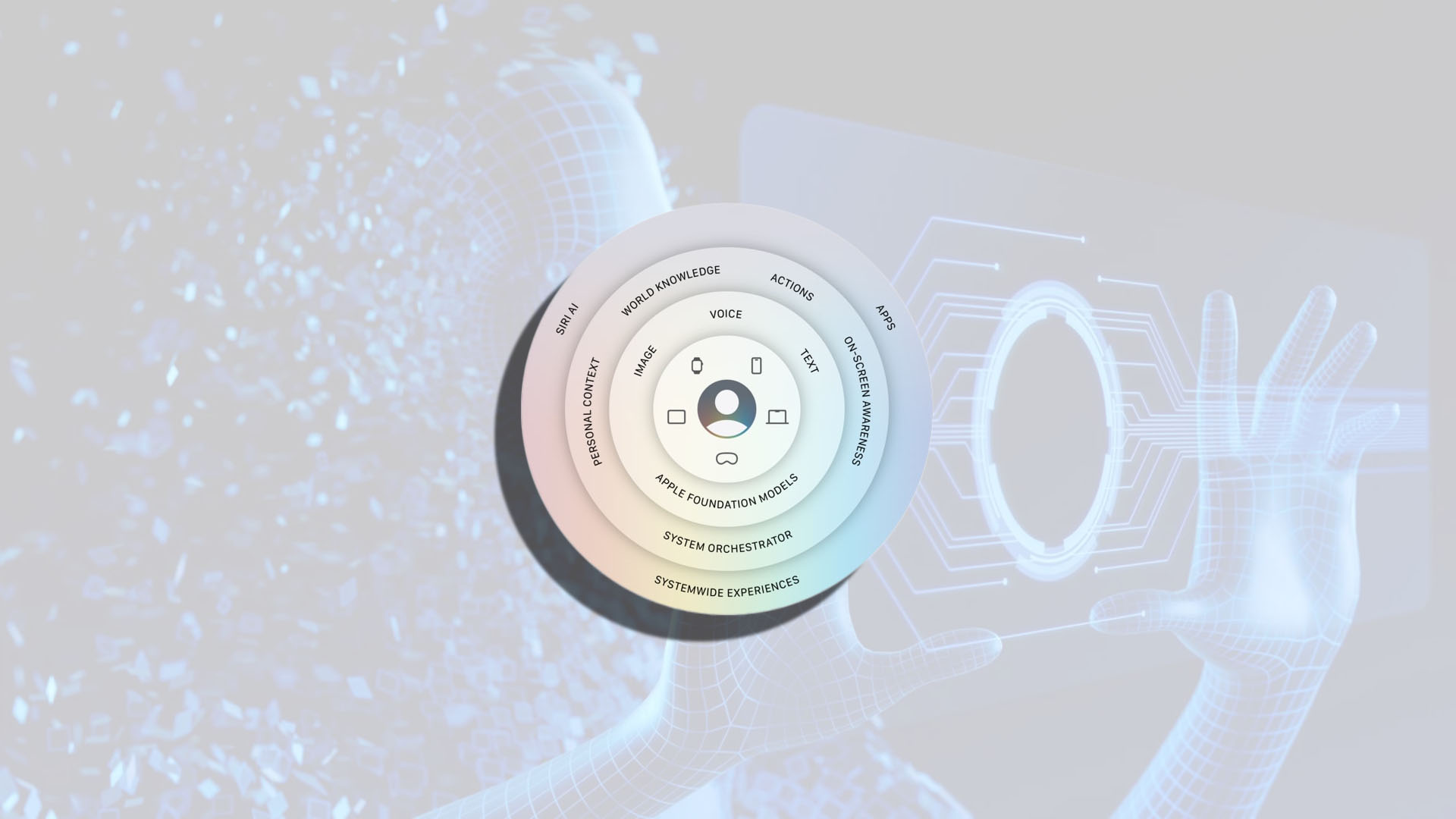
Lenovo’s AI strategy extends beyond hardware with Lenovo Qira, an ambient intelligence layer set to roll out across 20 devices in the coming weeks. This system operates seamlessly across Lenovo and Motorola products, maintaining continuity between applications while suggesting actions based on user behavior. While its functionality is permission-based, it represents a move toward unified ecosystems where AI adapts dynamically rather than operating in isolation.
On the consumer side, the Yoga 9i 2-in-1 Aura Edition (14-inch) brings premium design and performance to productivity users with a Snapdragon X Elite platform, 16 GB of RAM, and up to 512 GB of storage. Its 3.8K OLED+ display supports 120 Hz refresh rates and features HDMI 2.1 for high-bandwidth connectivity, catering to professionals who demand both power and portability.
The Yoga 9i 2-in-1 Aura Edition also introduces a 45 W USB-C Power Delivery charger, ensuring rapid charging while maintaining thermal efficiency. Meanwhile, the Legion Go Fold Concept includes a 65 W battery, balancing power demands with extended runtime—a critical consideration for mobile gaming devices where battery life often lags behind performance.
Lenovo’s focus on AI-integrated hardware isn’t just about technical innovation; it’s about reimagining how users interact with their devices. Whether through gesture-controlled 3D modeling, modular gaming handhelds, or ambient intelligence layers, the company is positioning itself at the forefront of a new era where hardware and AI converge to create more intuitive and powerful experiences.