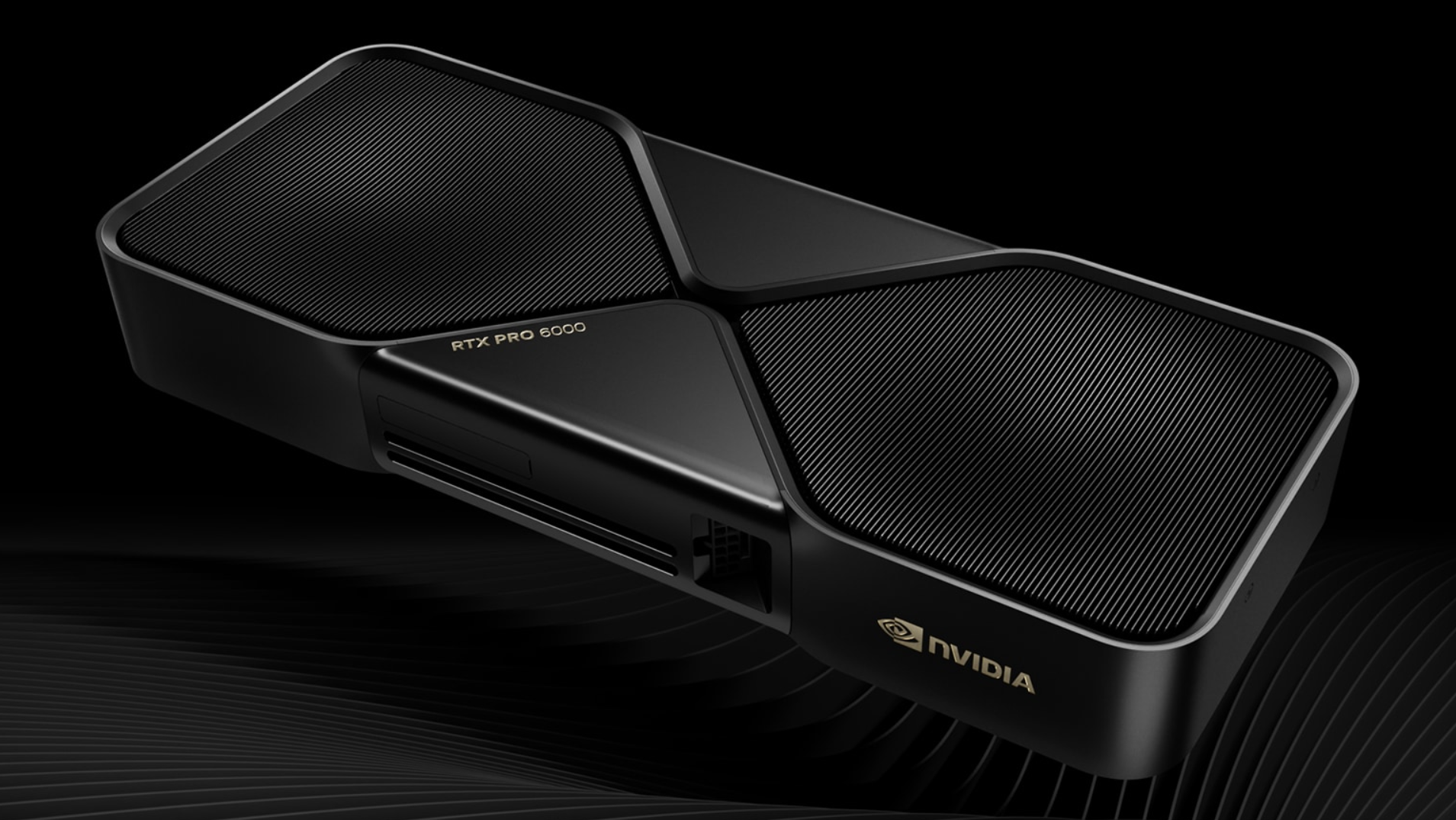
Lenovo has introduced a series of next-generation workstations designed to accelerate AI development and inference without relying solely on cloud resources. The lineup includes mobile and desktop models equipped with NVIDIA’s RTX PRO 6000 Blackwell GPUs, marking a shift toward more localized AI processing.
The new systems—ranging from the ultra-portable ThinkPad P14s Gen 7 to the high-performance ThinkStation P5 Gen 2—are built around Intel and AMD processors paired with NVIDIA’s latest GPU architecture. While the desktop model can house up to two RTX PRO 6000 Blackwell GPUs, the laptops focus on mobility while delivering workstation-grade performance.
Key Details
- ThinkPad P14s Gen 7 (Intel): 14-inch, Intel Core Ultra Series 3 with vPro, NVIDIA RTX PRO 5000 Blackwell Laptop GPU
- ThinkPad P16s Gen 5 (AMD): 16-inch, AMD Ryzen AI PRO 400 Series, up to Radeon 890M, weighs under 1.76 kg
- ThinkPad P1 Gen 9: Ultra-thin design, Intel Core Ultra Series 3 (up to 16 cores), RTX PRO 5000 Blackwell Laptop GPU, up to 672 TOPS
- ThinkStation P5 Gen 2: Desktop, Intel Xeon 600 processors, up to two RTX PRO 6000 Blackwell Max-Q GPUs for AI model development and rendering
The desktop ThinkStation P5 Gen 2 stands out as a powerhouse for AI developers, offering support for NVIDIA’s OpenShell runtime—a secure environment for autonomous agents—alongside the new NemoClaw open-source stack. This combination is intended to streamline the development of always-on assistants while maintaining security.

Why It Matters
The move toward on-device AI processing addresses a growing need for faster, more secure workflows in industries like CAD, BIM, and data science. However, the practical benefits remain unclear without benchmarks comparing cloud versus local performance. Additionally, the inclusion of NVIDIA’s Blackwell architecture—already seen in the RTX 5090—raises questions about long-term compatibility with existing software pipelines.
What to Watch Next
- A new silicon-anode battery technology from Lenovo and Shanghai Jiao Tong University, claiming a 10% energy density improvement (1,000 Wh/L). Real-world testing will determine if this translates to meaningful battery life gains.
- The rollout of NVIDIA’s Agent Toolkit, which could redefine how autonomous agents are developed on Lenovo workstations. Early adoption will reveal whether the security and performance claims hold up in production environments.
For now, the focus is on enterprise users—AI developers, engineers, and creatives who demand both power and portability. Whether these systems can break free from traditional platform lock-in remains an open question, but Lenovo’s integration with NVIDIA’s ecosystem suggests a deliberate push toward unified AI workflows.