Apple's next flagship smartphone is poised to break from tradition, potentially becoming the first iPhone to prioritize weight and thickness over raw power.
Industry reports suggest that the upcoming iPhone Air 2 will adopt a more compact design, likely measuring around 7.3 millimeters thick—a significant reduction compared to previous models. This shift could set a new benchmark for Apple's flagship lineup, focusing on portability without sacrificing core functionality. However, such a change would require careful balancing of hardware components, particularly the battery and display, to ensure performance remains competitive.
The move comes at a time when consumer demand for slimmer, more portable devices is growing, even as AI-driven workloads push for stronger processors. If Apple succeeds in this balance, it could redefine what buyers expect from a premium smartphone. But the challenge will be maintaining battery life and thermal management without compromising on speed or efficiency.
Key specs for the iPhone Air 2 are still under wraps, but leaks indicate
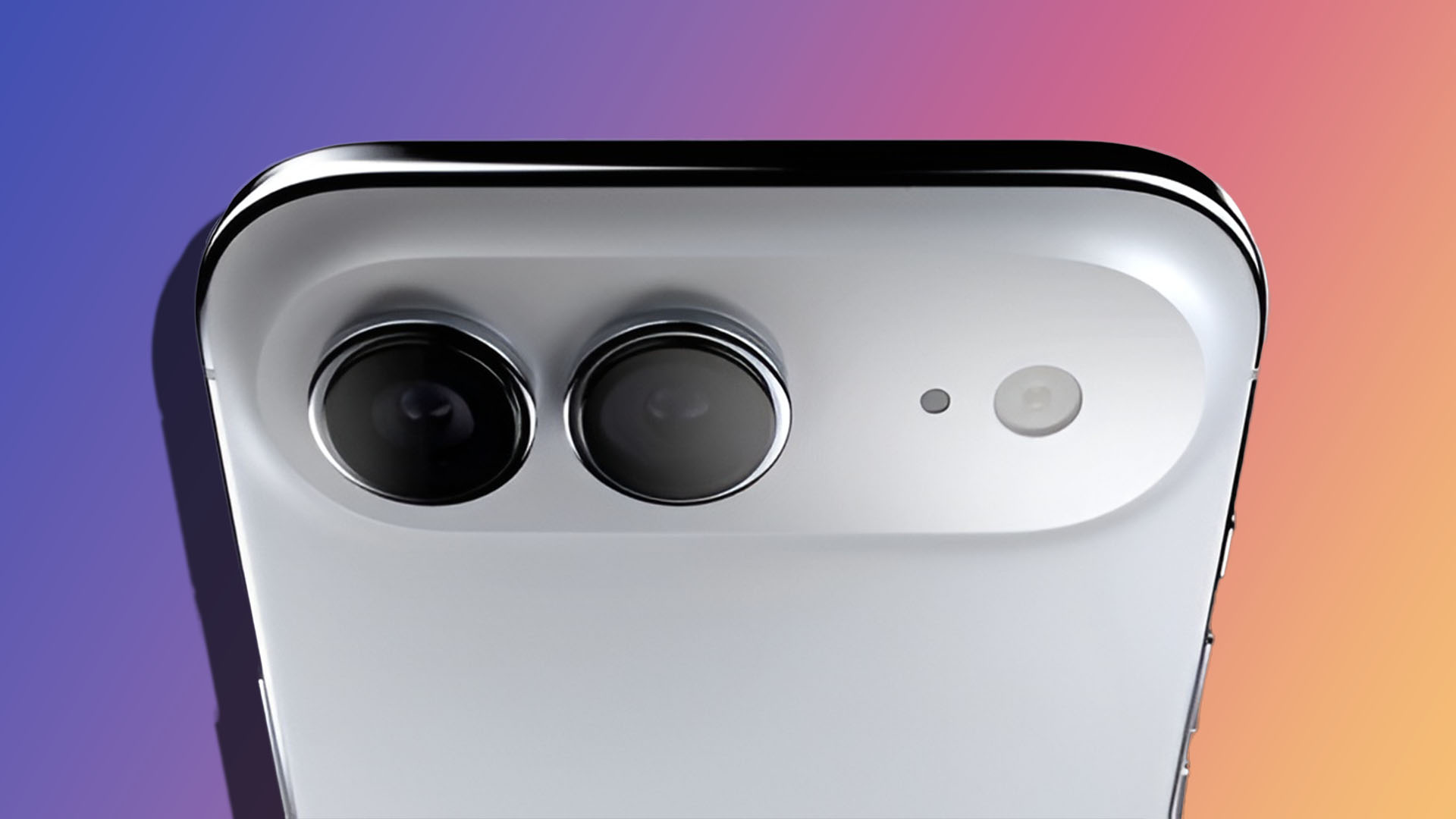
- Design: Likely around 7.3 mm thick, lighter than previous models, with a focus on slimness and portability.
- Display: Expected to feature an OLED screen, possibly with a notch or dynamic island for front-facing sensors.
- Performance: Likely powered by Apple's latest A-series chip, though exact model unspecified. Battery life may be optimized for thinner form factors, potentially at the cost of runtime.
- Storage: Starting at 128 GB, with standard options likely including 256 GB and 512 GB variants.
- Connectivity: 5G support confirmed, with potential for improved antenna placements to avoid signal degradation in slim designs.
The iPhone Air 2 would not be the first slim smartphone on the market, but it could become a turning point if Apple manages to prove that portability and performance can coexist without trade-offs. For creators and power users, this device might offer a compelling alternative to bulkier models, though battery life could remain a concern in real-world usage.
Apple has historically avoided such compromises, favoring thicker devices with longer battery life. If the iPhone Air 2 buck that trend, it will be closely watched by industry analysts and consumers alike. The model's success or failure could influence Apple's long-term strategy for flagship devices, potentially paving the way for a new era of ultra-slim smartphones.
Availability details are not yet confirmed, but if past trends hold, the iPhone Air 2 is expected to launch in late 2024 or early 2025. Buyers should prepare for a device that blends portability with premium features, though exact trade-offs remain unclear.