The Pathfinder gaming mouse doesn’t just follow the trend of high-performance peripherals—it redefines it. At its heart is a modular switch architecture that allows users to replace mechanical components without tools, a direct response to the wear-and-tear issues that plague even the most robust gaming mice. This isn’t merely about customization; it’s about extending the lifespan of a device that, in competitive environments, is subjected to relentless use.
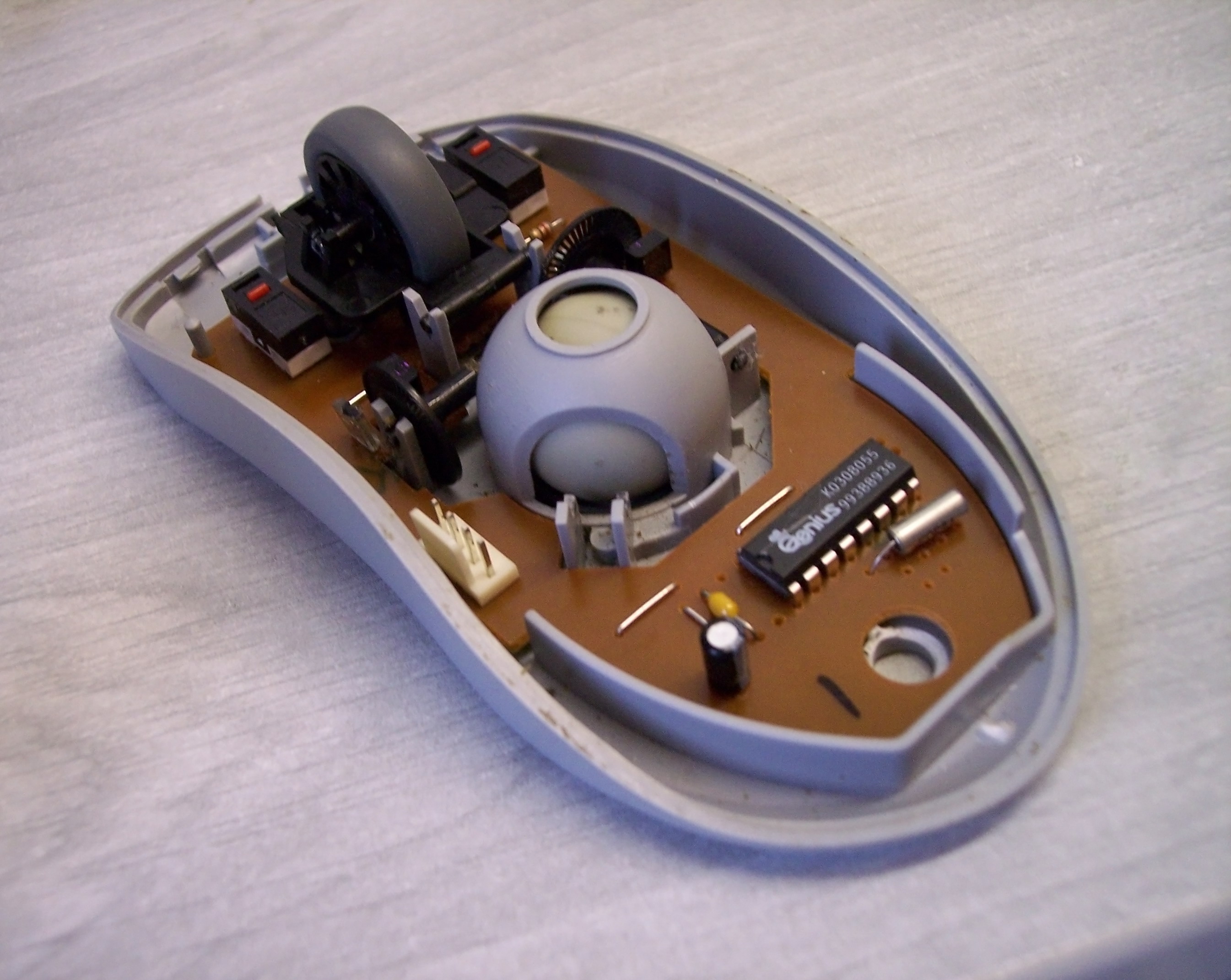
For power users, this modularity is transformative. Traditional gaming mice often require full replacement when switches degrade, leading to unnecessary hardware waste and cost. The Pathfinder flips this model, letting gamers swap out components like springs or housings as needed, ensuring peak performance for longer. But the innovation doesn’t stop with longevity. A custom MCU underpins the mouse’s button response, shaving milliseconds off latency while maintaining consistency—critical in games where split-second decisions can mean victory or defeat.
Advanced Features and Engineering Decisions
- Modular switch design: Tool-free replacement of mechanical components for extended lifespan.
- Custom MCU: Optimized button response with lower latency, tailored for competitive scenarios.
- Magnesium wheel: Lighter than aluminum, reducing fatigue during prolonged use while maintaining durability.
- Sensor performance: 8,000 DPI optical sensor with a max tracking speed of 120 inches per second.
- Adjustable weight: 75 grams base, customizable via internal weights for ergonomic preference.
The magnesium wheel is another standout feature. Lighter than aluminum but equally durable, it’s designed to reduce wrist strain during marathon gaming sessions—a subtle yet significant advantage for those who treat gaming as both a sport and an art. However, these engineering choices aren’t without tradeoffs. The magnesium requires precision balancing to avoid structural weaknesses, while the custom MCU adds complexity in software updates, though Orbital has managed both challenges effectively.
Target Audience: Built for Those Who Demand More
The Pathfinder is not a mouse for casual players or those content with standard peripherals. It’s crafted for enthusiasts and professionals who view gaming as a precision-driven discipline. The modular switches ensure that a device can be fine-tuned over time, adapting to changes in playstyle or hand dynamics. Meanwhile, the magnesium wheel caters to those who prioritize comfort without compromising performance.
For casual users, the differences may seem incremental, but for competitive gamers, these features represent a paradigm shift. The ability to replace switches means fewer hardware replacements, while the custom MCU and sensor combination deliver response times that rival—if not surpass—industry standards. This is a mouse built for those who refuse to accept mediocrity in their gear.
In an era where gaming peripherals often prioritize flash over function, the Pathfinder stands out as a rare example of thoughtful engineering. It addresses real-world pain points with tangible solutions, setting a new benchmark for what gamers can demand from their input devices. For those willing to invest in premium hardware, it’s not just a step forward—it’s a leap into a future where performance and longevity are no longer mutually exclusive.