Intel’s push into the gaming handheld market is taking longer than anticipated. After promising dedicated Panther Lake SoCs for handheld devices as early as this year, the rollout has now been delayed until the second quarter of 2026. While the specifics remain unconfirmed, leaked details suggest two custom chips optimized for handheld gaming—one with up to 12 Xe3 graphics cores and another with 10 Xe3 cores—marking a significant leap in integrated performance for portable gaming.
The shift comes after Intel’s VP and GM, Robert Hallock, previously hinted at a 2026 launch without revealing exact timelines. Earlier speculation from a prominent leaker had pinned the release to late Q1 or early Q2, but production hurdles appear to have pushed the target window back by several months. Even with the delay, the chips are expected to arrive before June, aligning with Intel’s broader strategy to compete directly with AMD’s Ryzen 9000 series, which has dominated the handheld gaming segment since its debut.
At a glance
- Delayed timeline: Panther Lake handheld SoCs now targeting Q2 2026, pushing back from an earlier Q1 expectation.
- Two custom SKUs: Rumored configurations include a 16-core CPU with 12 Xe3 graphics cores and a secondary model with 10 Xe3 cores, mirroring Intel’s Core Ultra 9 290K and Core Ultra 5 338H architectures.
- Performance focus: Xe3 cores in Panther Lake have shown strong gaming performance in desktop tests, with efficiency gains over Intel’s Lunar Lake predecessors.
- Competitive pressure: AMD’s Zen 5-based chips (e.g., Ryzen 9000) remain the benchmark for handheld gaming, with Intel aiming to close the gap with Arc B390/B370-level integrated graphics.
- Manufacturer adoption: MSI has historically led in integrating Intel’s latest chips into its Claw handheld lineup, though broader adoption by other brands remains uncertain.
- Price sensitivity: The $199 entry point set by recent competitors like the MANGMI Pocket Max suggests Intel’s chips will need to deliver premium performance at accessible price points.
Why it matters
For handheld gamers, the delay means existing devices powered by AMD’s Ryzen 9000 or Intel’s Lunar Lake chips will remain the primary options for the near term. However, Panther Lake’s potential—with up to 12 Xe3 cores—could redefine what’s possible in portable gaming, offering near-dedicated GPU performance without the need for external add-ons. The chips are designed to address one of the biggest pain points in handheld gaming: thermal throttling and power efficiency. Early benchmarks of Panther Lake’s integrated graphics suggest they could outperform AMD’s current Arc iGPUs in both raw performance and battery life, though real-world tests on handheld devices will be critical.
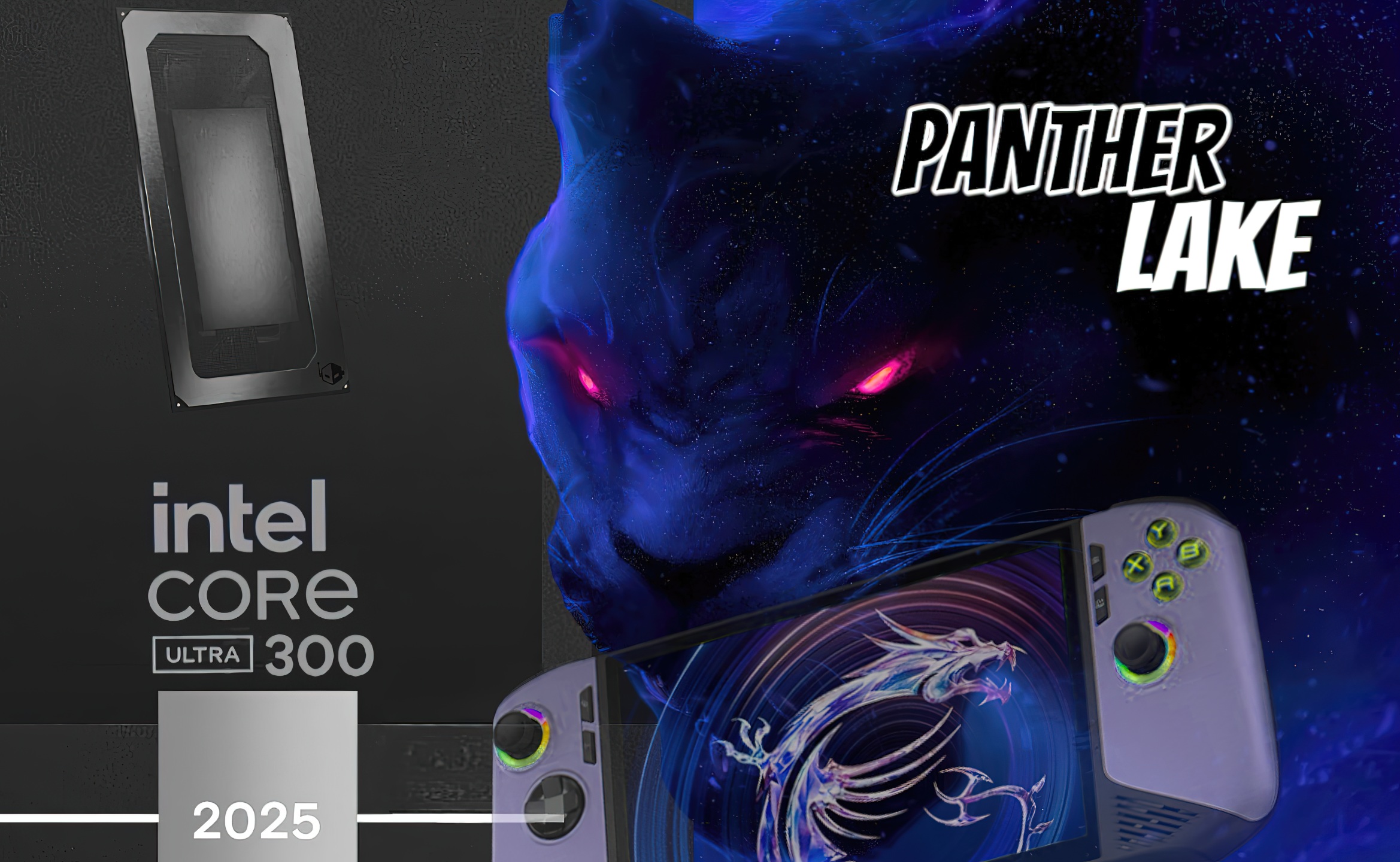
The rumored SKUs align closely with Intel’s desktop lineup, with the 16-core/12-Xe3 configuration likely targeting high-end handhelds (comparable to the Core Ultra 9 290K) and the 10-Xe3 variant serving mid-range models (similar to the Core Ultra 5 338H). If Intel can execute on manufacturing and cooling—areas where handhelds are particularly vulnerable—these chips could finally give AMD a run for its money in a segment where portability and performance have long been at odds.
Looking ahead
With MSI already positioned as a likely early adopter, the delay may force other manufacturers to reconsider their roadmaps. The $199 price point established by recent Android-based handhelds (like the MANGMI Pocket Max) sets a benchmark for affordability, meaning Intel’s chips will need to balance cutting-edge specs with cost-effective production. Should the Q2 timeline hold, gamers can expect a fresh wave of handhelds in late spring or early summer—though whether they’ll arrive in time for the holiday season remains an open question.
The bigger picture is clear: Intel is doubling down on integrated graphics for handhelds, betting that Panther Lake’s Xe3 architecture can deliver the performance and efficiency needed to challenge AMD’s dominance. The delay, while frustrating for early adopters, may also signal a more polished product—one that could finally bridge the gap between desktop-grade gaming and portable convenience.