Intel is refining its approach to handheld gaming with the Core Ultra G3 series, a specialized variant of its Panther Lake architecture tailored for portable devices. Unlike traditional mobile chips, these new processors prioritize sustained performance for gaming while adhering to the power constraints of handheld form factors. Two models—the G3 and G3 Extreme—will debut in the second quarter of 2026, each featuring a unique blend of CPU and integrated graphics designed to push boundaries without compromising battery life.
The G3 Extreme stands out as the more aggressive option, pairing a 14-core CPU configuration—comprising two performance cores, eight efficiency cores, and four low-power efficiency cores—with a 12-core Arc B380 iGPU clocked at 2.3 GHz. This setup closely mirrors the performance of Intel’s flagship Core Ultra X9 388H, which boasts a 14-core CPU and a 16-core Arc B390 GPU. The primary difference lies in the reduced core count and slightly lower GPU clock, a tradeoff that still positions the G3 Extreme as a formidable choice for handheld gaming.
The standard G3, meanwhile, retains the same 14-core CPU but scales back the integrated graphics to a 10-core Arc B360 running at 2.2 GHz. This configuration is expected to deliver solid performance for mid-range handhelds, though with noticeable differences in raw power compared to the Extreme variant. Both chips are built on Intel’s 18A process node, a fabrication step that balances efficiency with performance—critical for devices where thermal management and battery life are non-negotiable.
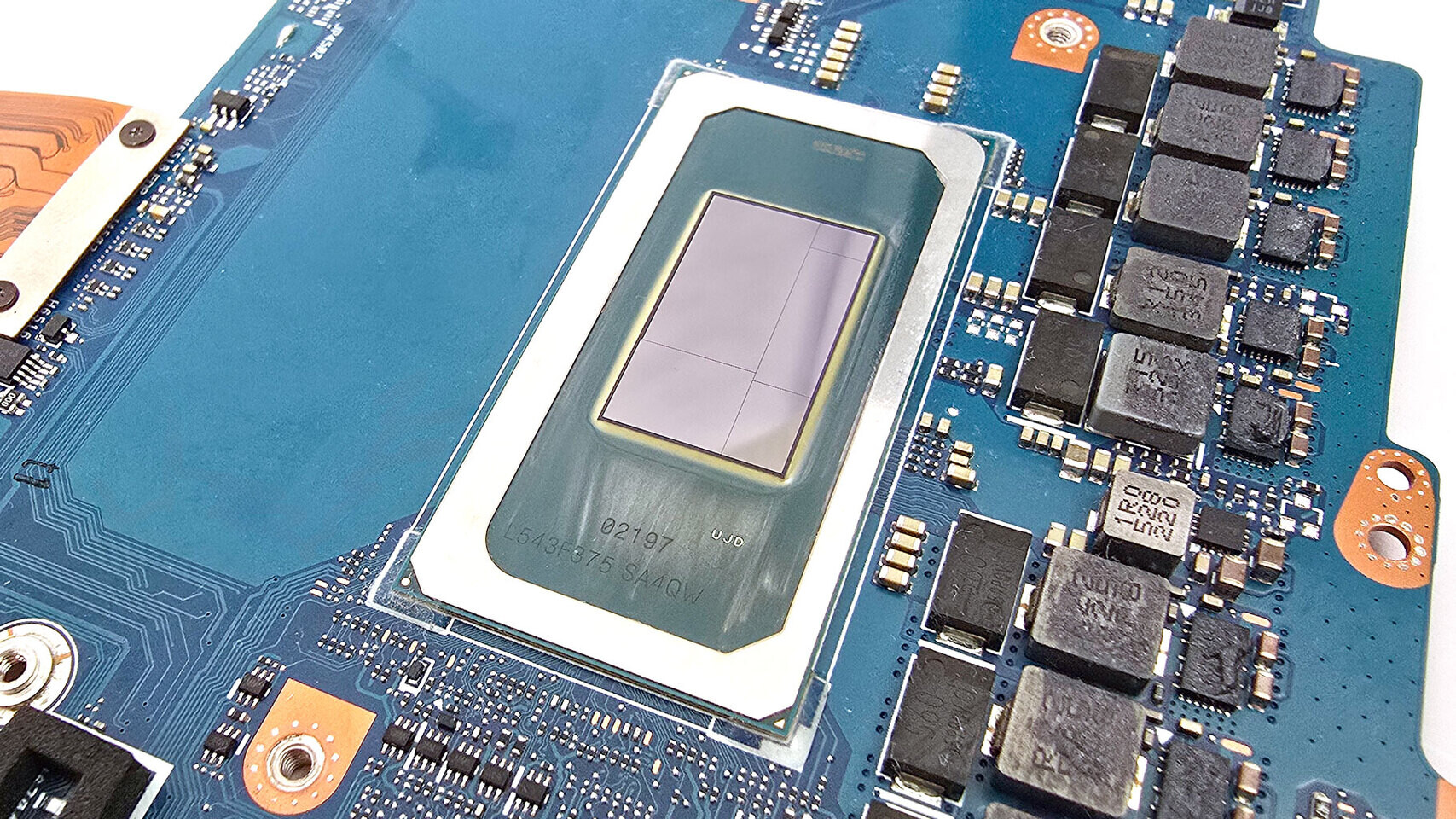
Key Specifications
- CPU: 14-core (2 P-Cores, 8 E-Cores, 4 LPE-Cores)
- iGPU: Arc B380 (12 Xe3 cores, 2.3 GHz) – G3 Extreme
Arc B360 (10 Xe3 cores, 2.2 GHz) – G3 - TDP Range: Estimated 30W–37W (based on Lunar Lake handheld precedents)
- Memory: LPDDR5X support (specific speeds not yet confirmed)
- Availability: Q2 2026
While Intel hasn’t disclosed exact TDP figures for the G3 series, past handheld designs like the Core Ultra 9 288V have operated within a 30W–37W range. This suggests the new chips will maintain a similar power envelope, ensuring compatibility with existing handheld cooling solutions while allowing for incremental performance gains. The inclusion of LPDDR5X memory support further hints at Intel’s focus on efficiency, as faster RAM can offset some of the power constraints inherent in portable devices.
For manufacturers and gamers alike, the G3 series represents a significant leap forward in handheld gaming hardware. The G3 Extreme’s near-flagship performance makes it ideal for high-end portable gaming consoles, where frame rates and graphical fidelity are paramount. At the same time, the base G3 offers a more balanced solution for devices prioritizing battery life and longevity without sacrificing core functionality.
The arrival of these chips coincides with a broader shift in the handheld gaming market, where competition between Intel and AMD’s integrated graphics solutions is intensifying. With the G3 series, Intel is not only addressing the needs of OEM partners but also setting a new benchmark for what handheld gaming hardware can achieve—all while keeping power consumption in check.