Intel’s latest mobile processor, the Core Ultra X9 388H, has just exposed a tantalizing possibility for handheld gaming: what if the next generation of portable PCs didn’t need discrete GPUs to deliver near-laptop performance?
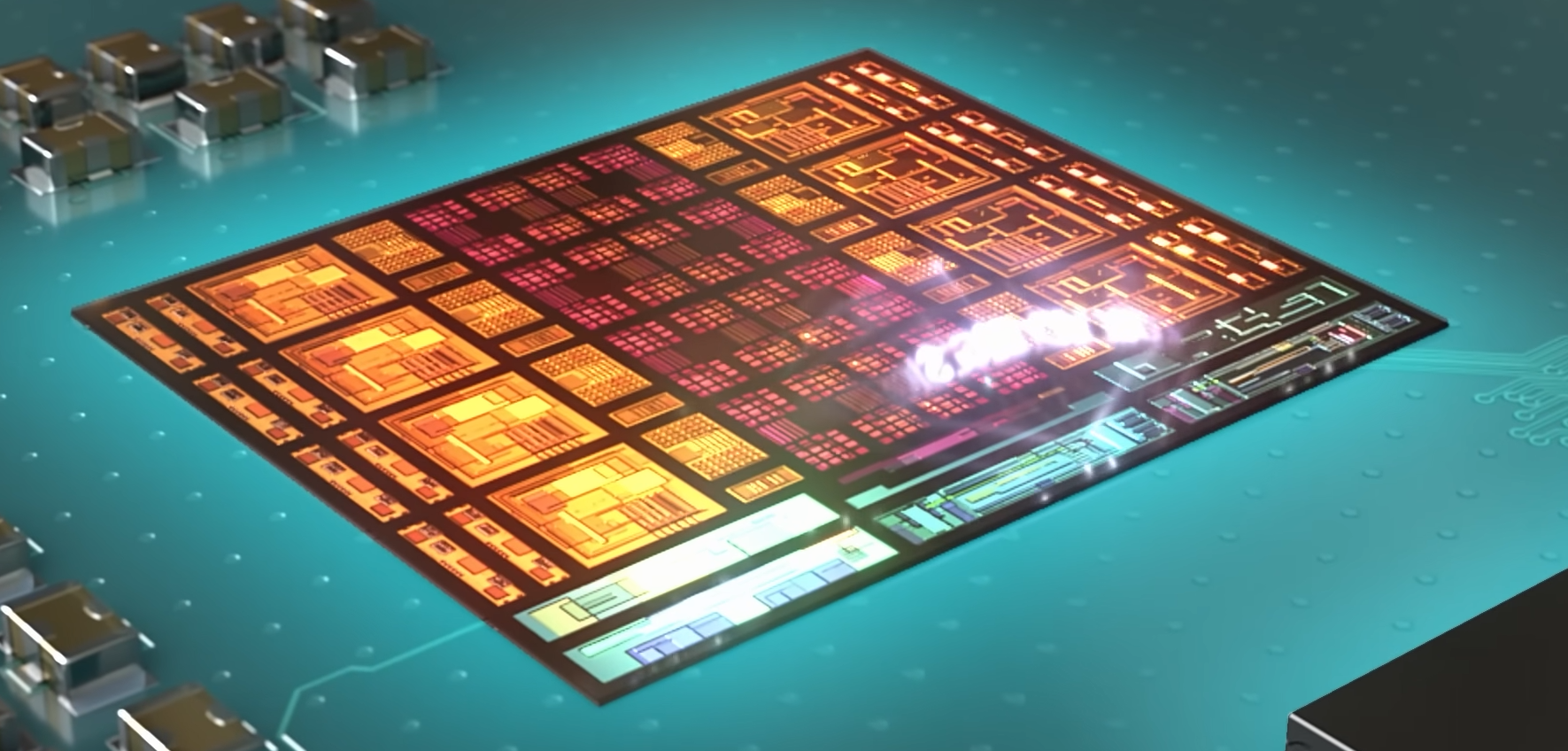
Benchmarking reveals its integrated graphics—powered by Intel’s new Panther Lake architecture—now sit uncomfortably close to the performance of budget dedicated GPUs in gaming laptops. For a market still dominated by the Steam Deck’s aging APU, this could signal a seismic shift. But whether manufacturers will embrace this leap in integrated graphics—and whether consumers will pay the price—remains an open question.
The current handheld landscape is a study in contradictions. The Steam Deck remains a benchmark for value, its Zen 2-based APU still capable of handling indie titles and older AAA games at playable frame rates. Yet its limitations are glaring in 2026, especially for modern AAA experiences where even mid-range laptops now deliver smoother performance. Meanwhile, premium handhelds like the MSI Claw 8 AI+—equipped with Intel’s Lunar Lake chips—offer a glimpse of what’s possible when paired with dedicated GPUs, but at a steep premium.
What makes Panther Lake intriguing isn’t just its raw performance, but how it redefines the trade-offs handheld designers must make. Traditionally, portable gaming devices have required compromises: either cram in a dedicated GPU and accept bulkier designs, or rely on integrated graphics and settle for lower-end experiences. Panther Lake may eliminate that choice—at least in theory.

- Chip: Intel Core Ultra X9 388H (Panther Lake)
- Architecture: Intel’s 4th Gen Xe-core with integrated Xe2 graphics
- Performance: Integrated GPU rivals entry-level dedicated GPUs (e.g., NVIDIA RTX 3050-level performance in some benchmarks)
- Thermal Design: TDP up to 150W (configurable)
The implications are clear: a handheld built around this chip could deliver near-laptop frame rates without the need for a dedicated GPU, potentially shrinking form factors while boosting battery life. But whether manufacturers will adopt this approach—and whether consumers will accept the likely premium pricing—remains uncertain.
Intel has yet to confirm any handheld implementations, leaving room for speculation. The company has hinted at broader mobile adoption, but the handheld space remains a niche market where cost sensitivity often trumps cutting-edge specs. If Panther Lake-powered handhelds do materialize, they’ll likely target enthusiasts willing to pay a premium for performance—but the broader market may still wait for more affordable alternatives.
For now, the question isn’t whether Panther Lake can deliver, but whether the industry will follow.