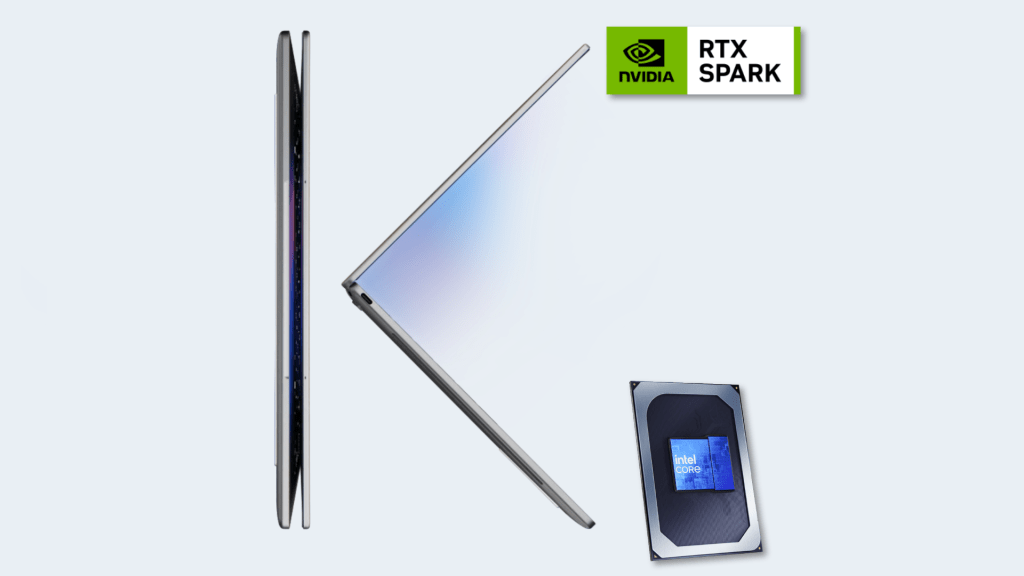
At CES this year, Intel made a bold move into the handheld gaming market with its Panther Lake SoCs, signaling a renewed commitment to competing head-to-head with established players like Sony and AMD. Unlike previous generations such as Meteor Lake and Lunar Lake—where Intel's efforts were met with limited success against AMD's Z-series SoCs—Panther Lake is designed specifically for handheld devices, promising optimized performance without unnecessary baggage.
One of the most intriguing aspects of Panther Lake is its potential to match or surpass Sony's upcoming PS6 'Canis' handheld in performance, even though it operates at 30W compared to Canis' 15W. This discrepancy suggests that Intel has focused on squeezing out maximum gaming performance from its chips, likely by stripping away non-essential components like the NPU (Neural Processing Unit) and prioritizing higher Xe3 core counts along with a robust CPU configuration.
While AMD's Ryzen AI 400 series, codenamed Gorgon Point, has seen minimal updates this year, Intel is positioning Panther Lake as its strongest contender yet. The shift in strategy is evident: Intel is no longer just adapting desktop chips for handhelds but crafting SoCs from the ground up to meet the unique demands of portable gaming. This could mean better thermal efficiency, improved power management, and a more seamless integration with game engines—though it remains to be seen how well these optimizations will translate into real-world performance.
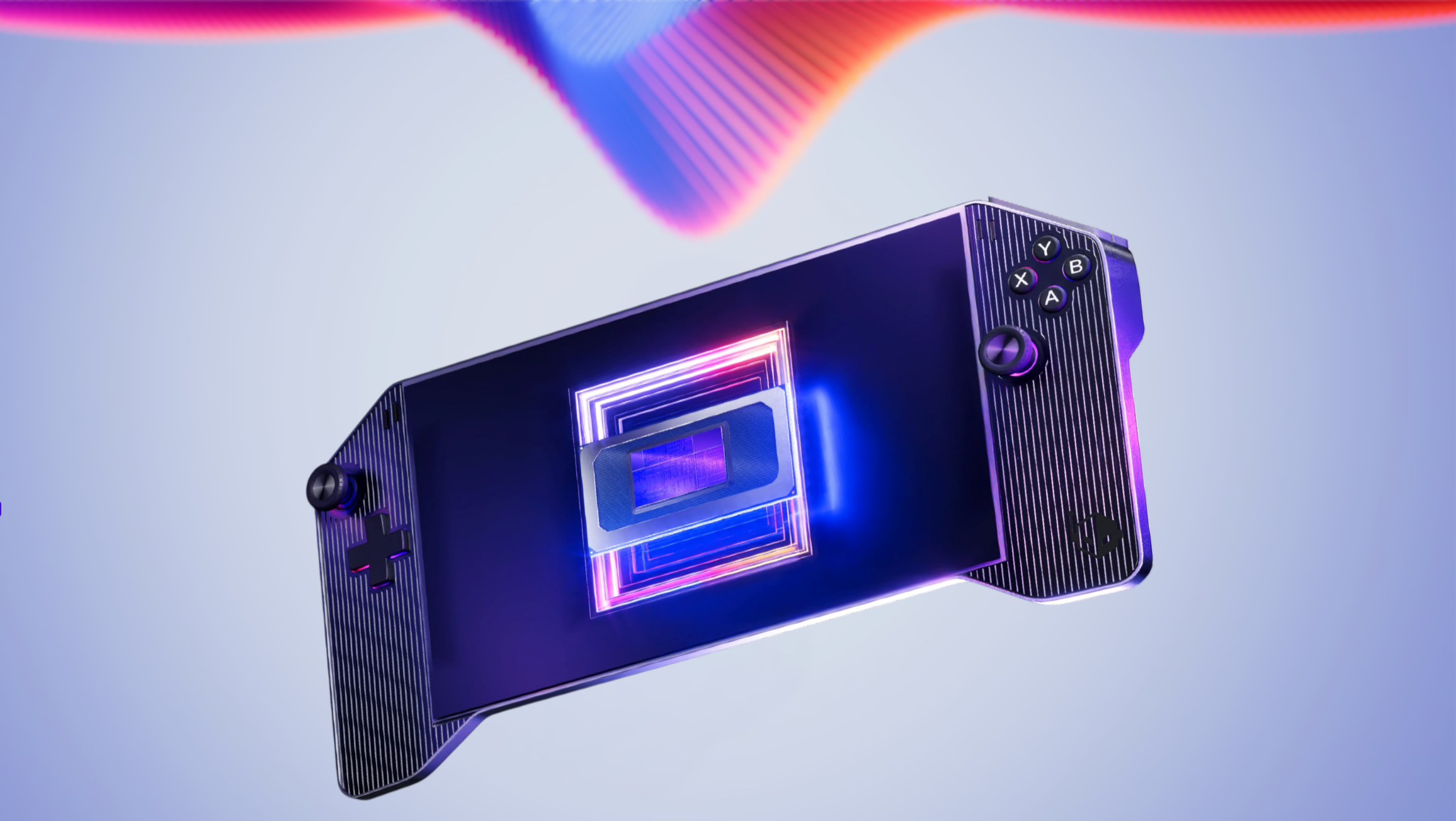
Performance comparisons are always tricky, especially when different architectures and power budgets come into play. Early estimates suggest that Panther Lake handhelds could deliver performance on par with the PS6 'Canis' at 30W, a feat that would require significant optimization from both hardware and software ecosystems. Intel's partnership with Microsoft and other developers will be crucial in fine-tuning these chips for the handheld market, balancing power efficiency without sacrificing gaming prowess.
For now, Panther Lake represents a high-stakes gamble for Intel. If it succeeds, it could reshape the handheld gaming landscape, forcing competitors to rethink their strategies. The first wave of Panther Lake-powered devices is expected to hit the market around mid-2026, offering consumers a glimpse into what this new era of portable gaming might look like.
Quick take: Intel's Panther Lake SoCs are poised to challenge Sony's PS6 'Canis' handheld in performance, despite operating at double the power. This marks a significant pivot from Intel's past approaches, with a focus on dedicated handheld optimizations that could redefine the market if executed well.