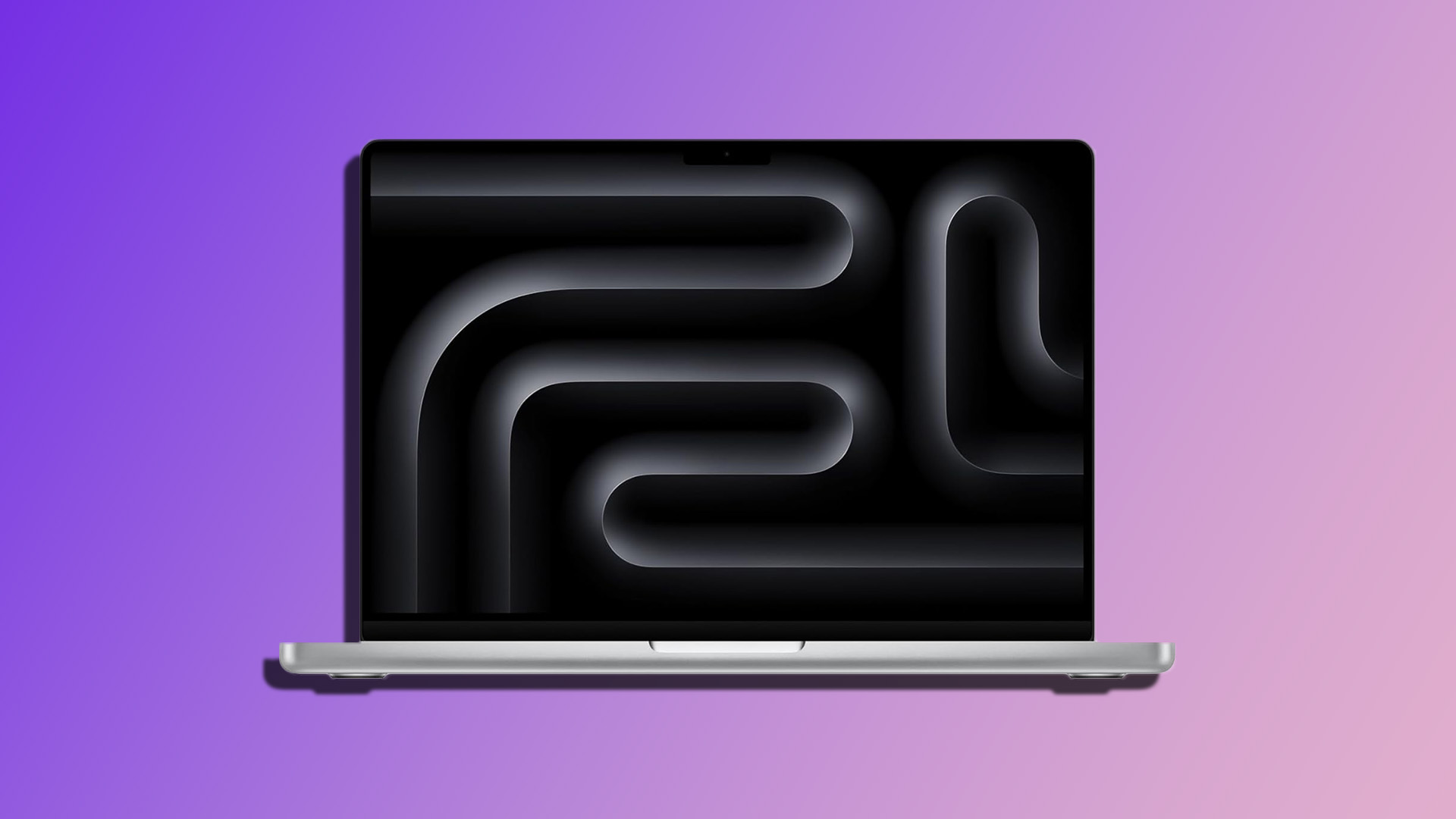
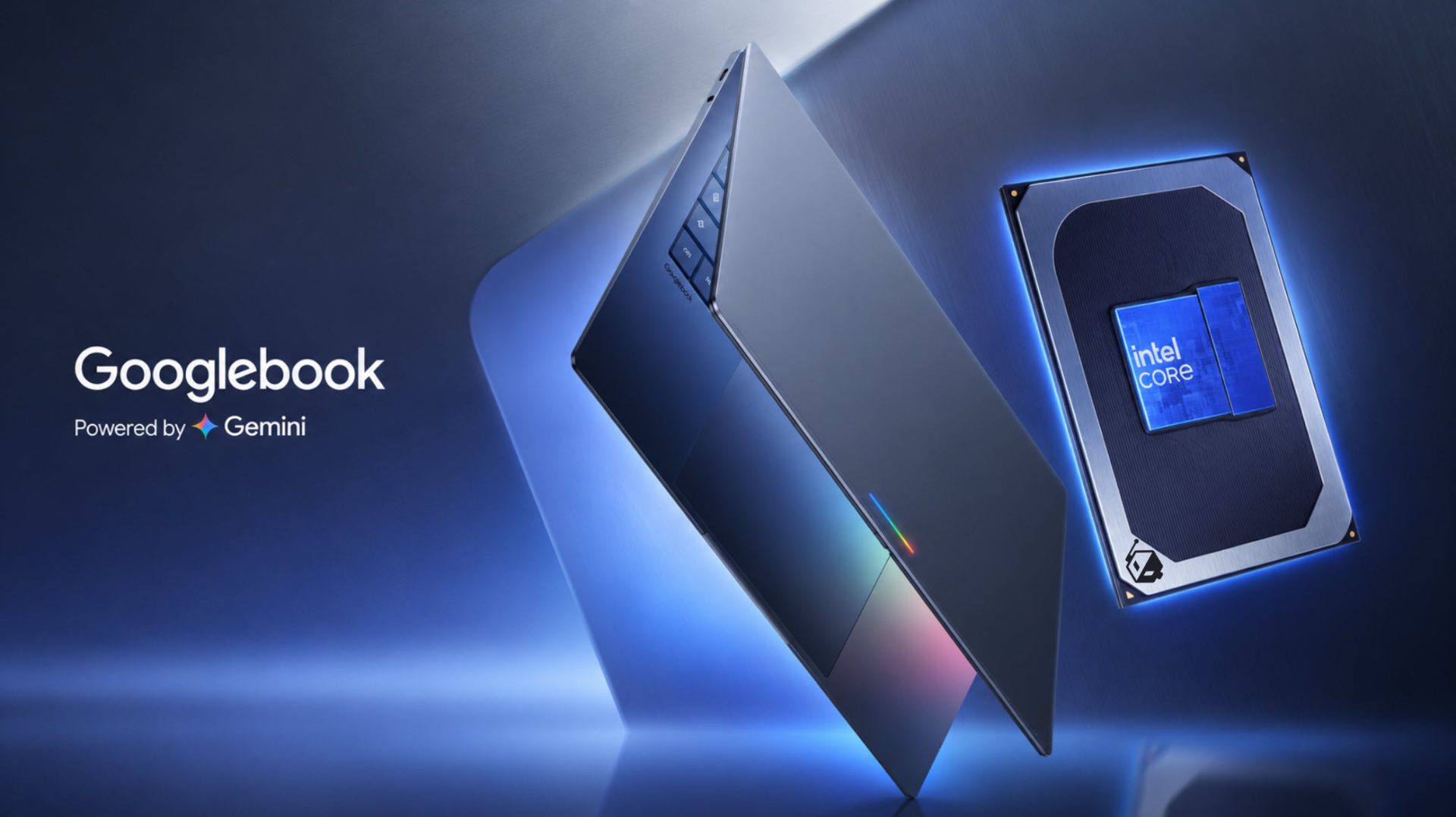
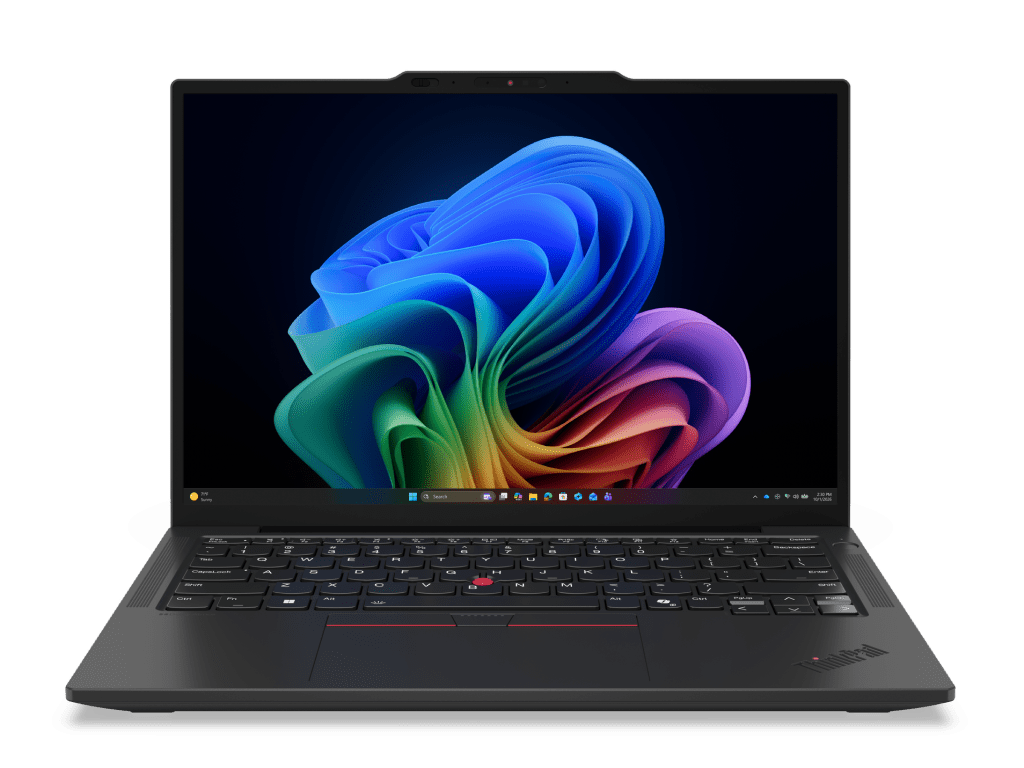
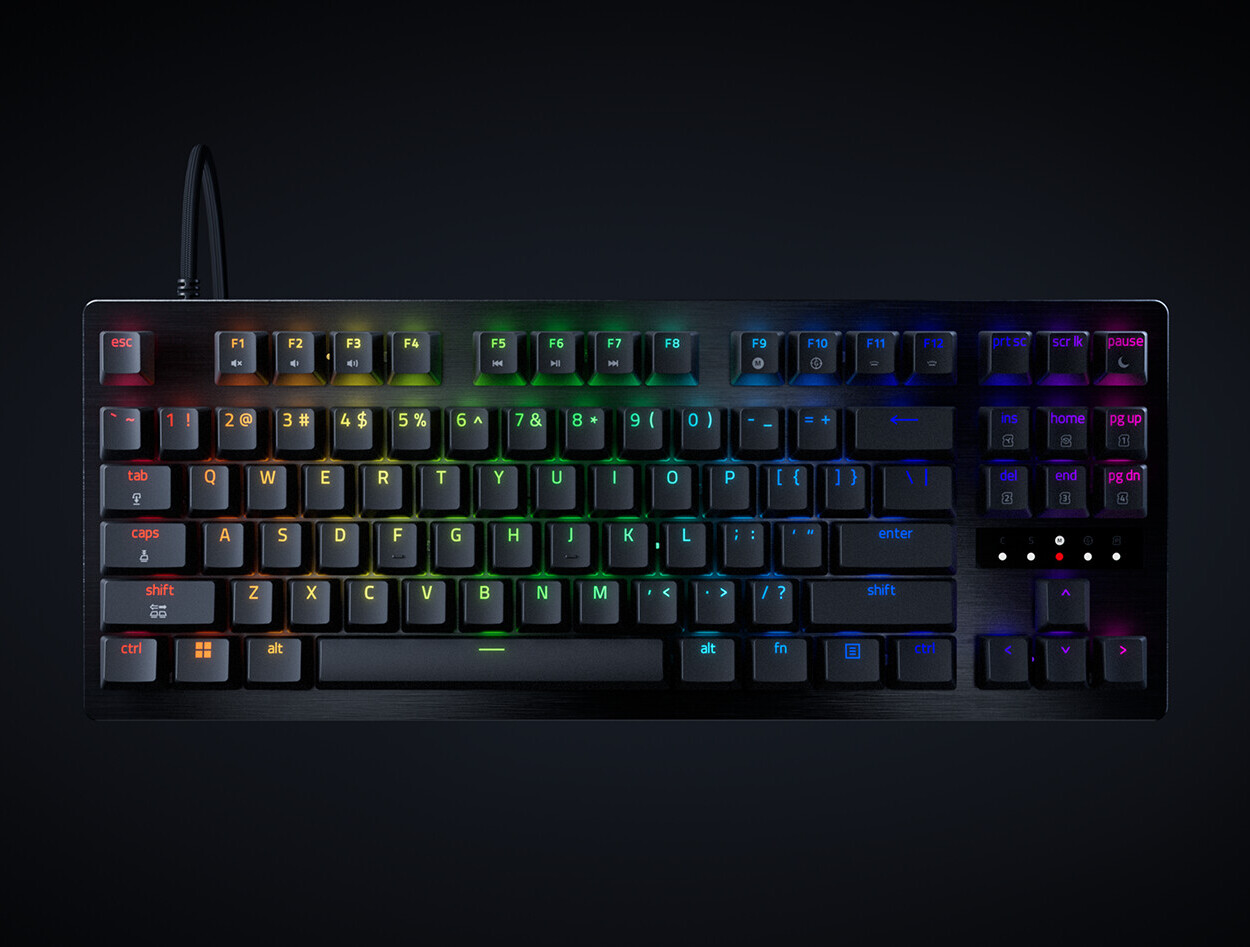
In an unexpected move that could shake up the premium laptop market, Intel has announced it will power a new device from Google designed to compete directly with Apple's MacBook Neo lineup.
The new chipset, codenamed 'Googlebook,' is built around Intel's latest architecture and targets enterprise buyers who demand both raw performance and long-term reliability. It arrives at a time when the laptop market is increasingly fragmented, with Apple dominating the high-end segment while other manufacturers scramble to catch up.
What sets this new device apart is not just its hardware specifications—16GB of DDR5 RAM, 2TB of NVMe storage, and a clock speed that rivals even the most powerful consumer laptops—but its strategic positioning. Intel's decision to back Google's entry into this space suggests a calculated effort to challenge Apple's dominance in the enterprise sector, where margins are thick and customer loyalty is strong.
For enterprise buyers, the implications are significant. The Googlebook will offer a familiar Windows environment paired with Intel's efficiency-focused cores, which could appeal to businesses that prefer Microsoft's ecosystem while still demanding the performance of Apple's silicon. However, the real test will be how this device stacks up against existing alternatives, particularly those powered by Qualcomm's Snapdragon X Elite or AMD's Ryzen 7040 series.
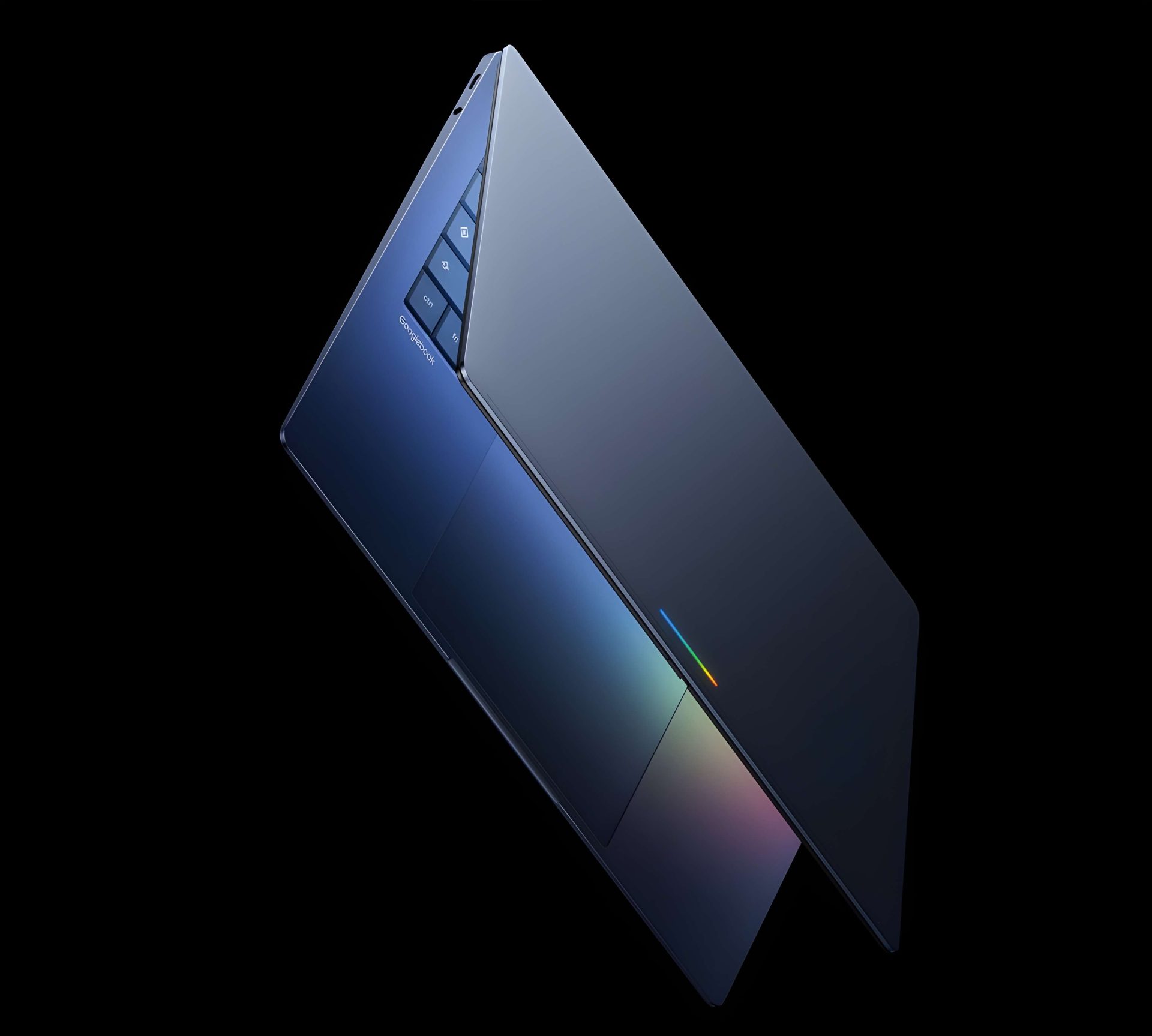
- Processor: Intel Core Ultra 9 (based on the latest 'Meteor Lake' architecture)
- RAM: 16GB DDR5, with support for up to 32GB
- Storage: 2TB NVMe SSD, expandable via M.2 slot
- Display: 14-inch OLED, 3000 x 2000 resolution, 120Hz refresh rate
- Connectivity: Wi-Fi 7, Bluetooth 5.4, Thunderbolt 4 support
The Googlebook is expected to launch in the fourth quarter of this year, with availability likely limited to select enterprise partners initially. This phased rollout suggests a cautious approach, one that prioritizes stability and adoption over aggressive market penetration.
For businesses, the choice between Apple's MacBook Neo and this new Intel-powered alternative will hinge on more than just benchmarks. Factors like software compatibility, thermal management, and long-term support will play crucial roles in determining which device becomes the standard for enterprise workflows. If Google can deliver on its promises of seamless integration with Google Workspace and robust security features, it could carve out a significant niche in an otherwise Apple-dominated market.
Ultimately, this development marks a turning point for Intel, which has long struggled to assert itself in the high-performance laptop segment. Whether it succeeds will depend on how well it navigates the complex landscape of enterprise needs—balancing power, efficiency, and compatibility without alienating its core user base.