Intel’s foray into the foundry business has gained momentum with a new alliance aimed at 3nm chip production. This partnership represents a departure from its traditional role as an integrated device manufacturer (IDM) and reflects a broader industry trend toward outsourced manufacturing. While TSMC remains the leader in advanced nodes, Intel’s move suggests it is serious about carving out a competitive position.
The collaboration with United Microelectronics Corporation (UMC) is notable for several reasons. It is the first time Intel has paired its process technology with an external foundry partner at such an advanced node. This follows Intel’s IDM 2.0 strategy, which combines in-house design with outsourced manufacturing to counter TSMC and Samsung. The focus on 3nm production is particularly significant, as this node is expected to be a battleground for performance and efficiency.
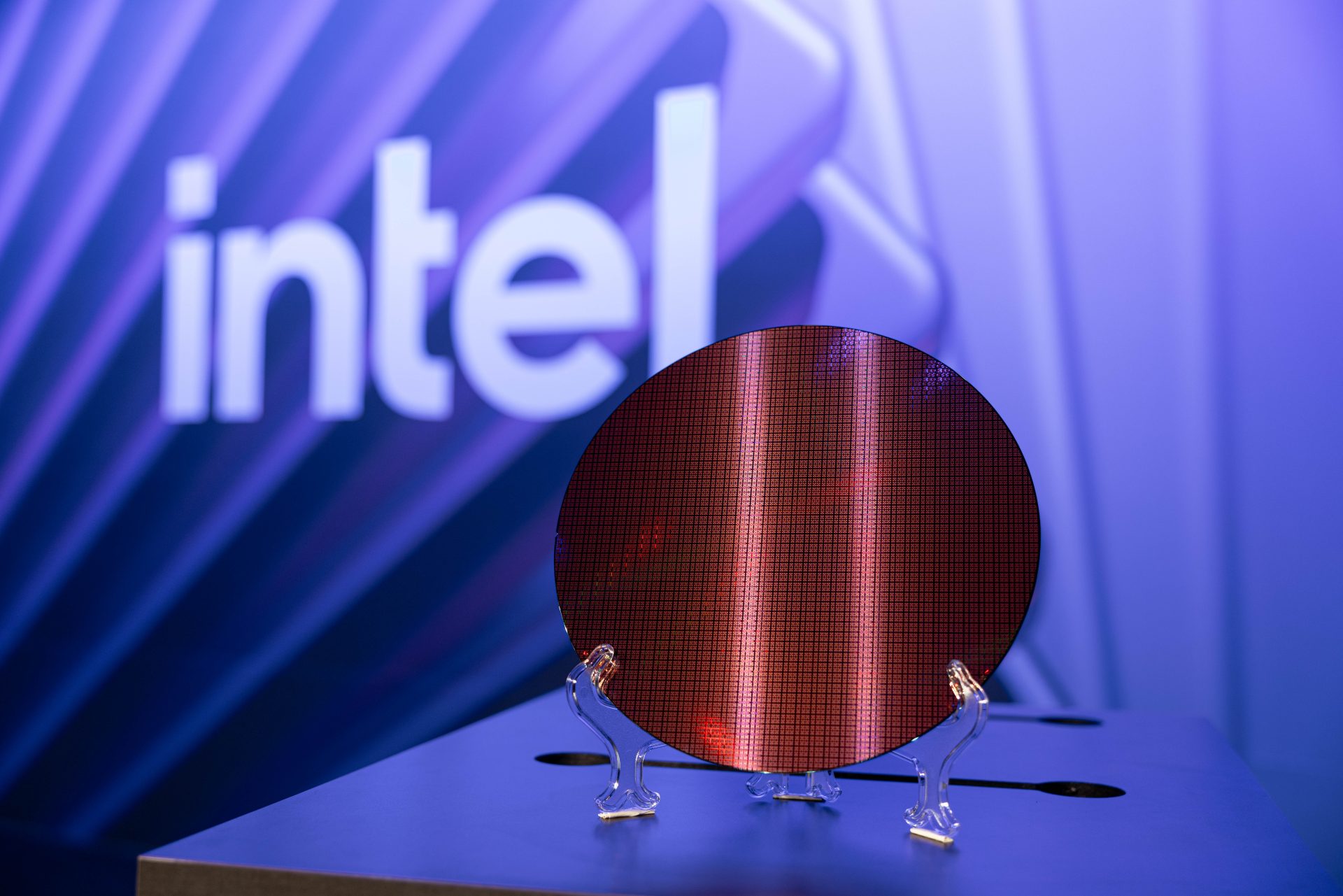
- Intel’s involvement goes beyond traditional foundry services; it serves as an opportunity to refine and scale its manufacturing expertise before potentially bringing production back in-house.
- The partnership is still in early stages, with no specific products or customer commitments announced. This suggests the primary goal is capability-building rather than immediate market disruption.
- TSMC’s dominance at the 3nm node, which is expected to ramp in late 2024, has left other foundries scrambling for alternatives. Intel’s partnership could provide a path to diversify supply chains and reduce reliance on a single provider.
The implications for PC builders and system designers are long-term but potentially transformative. While 3nm chips won’t appear in consumer products overnight, the shift could eventually lead to more competitive pricing and broader availability of high-end components. However, the challenge remains whether Intel can match TSMC’s yields and performance, a hurdle that has historically hindered its foundry ambitions.
Looking ahead, the timeline for 3nm production is still uncertain, but industry reports suggest initial tape-outs could begin in late 2024 or early 2025. If successful, this partnership could redefine Intel’s role not just as a chipmaker but as a key player in the foundry ecosystem, altering the dynamics of semiconductor supply for years to come.