Intel’s **Arc Pro B70**—the so-called ‘Big Battlemage’—is poised to break cover as early as the first quarter of 2026, according to fresh insider intelligence. The card, built around the **BMG-G31** die, would represent the largest and most capable iteration of Intel’s **Xe2-HPG** architecture yet, targeting professional workloads with a staggering **32GB of VRAM**. This move comes as Intel appears to be reallocating resources away from consumer gaming GPUs, particularly the **Arc B770**, which has faced persistent delays and questions about its viability.
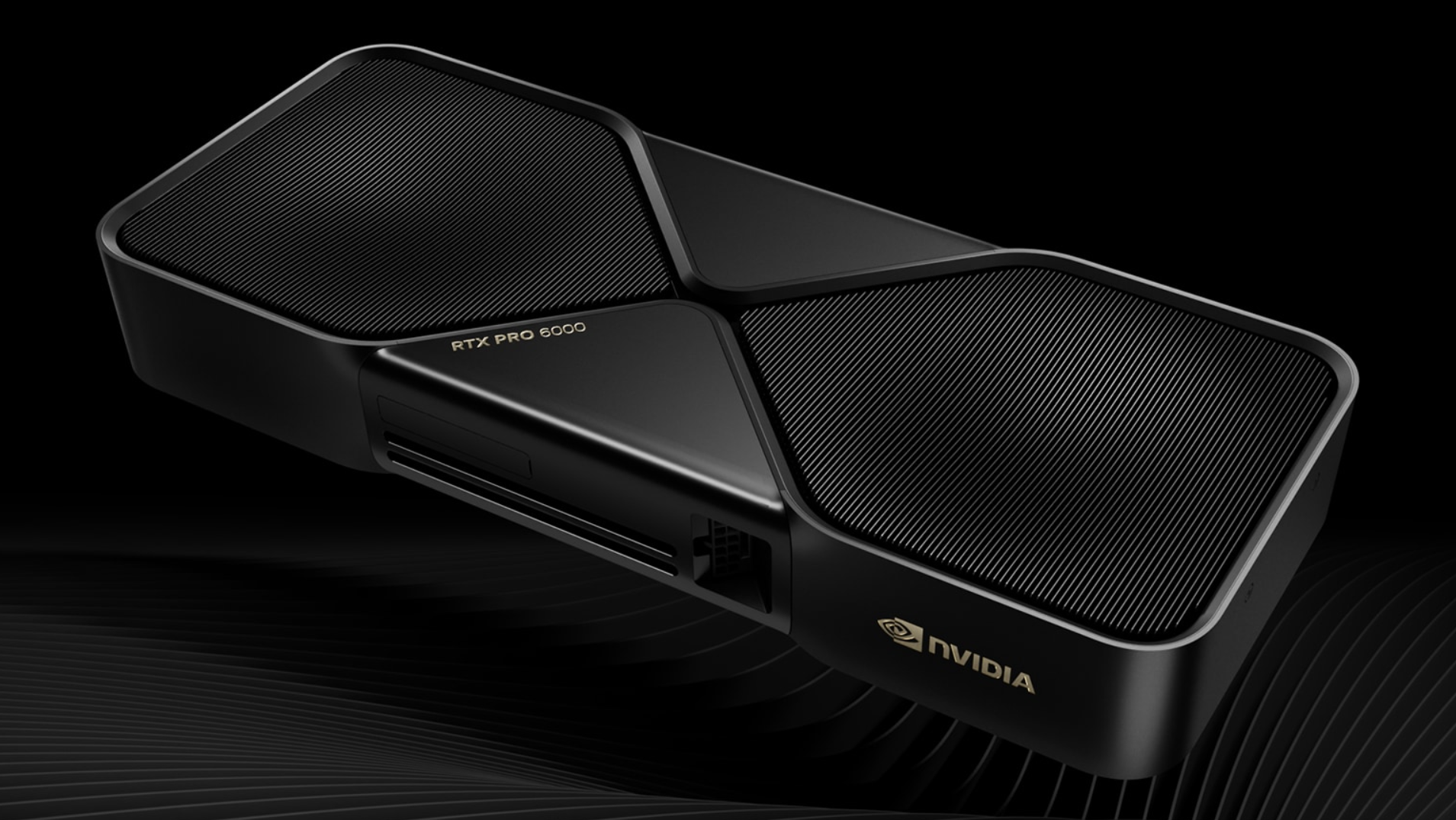
The **Arc Pro B70** isn’t just a speculative upgrade—it’s a direct response to the evolving demands of AI-driven workloads, rendering, and high-end content creation. With competitors like NVIDIA’s **RTX 5090** commanding prices near **$5,000** in specialized markets, Intel’s push into the workstation space could be a calculated bid to capture a slice of that lucrative segment. The **32GB VRAM** allocation alone would position it as a serious contender for multi-GPU setups and next-gen professional applications.
Yet the **Arc Pro B70**’s emergence may also spell the end for the **Arc B770**, a gaming-focused GPU that has struggled to gain traction. Sources suggest Intel has deprioritized the **B770**, citing financial constraints and the broader perception that the **Battlemage** architecture—now two generations old—is no longer competitive in the fast-moving gaming GPU market. The company’s focus appears to have shifted entirely toward its upcoming **Celestial** architecture, which is expected to power future consumer and professional GPUs.
The timing of the **Arc Pro B70** launch aligns with Intel’s **Core Ultra 200K+ Arrow Lake Refresh** processors, which were previously anticipated for March or April. If the GPU arrives alongside the new CPUs, it could signal a coordinated push into high-performance workstations, where Intel has historically lagged behind AMD and NVIDIA.
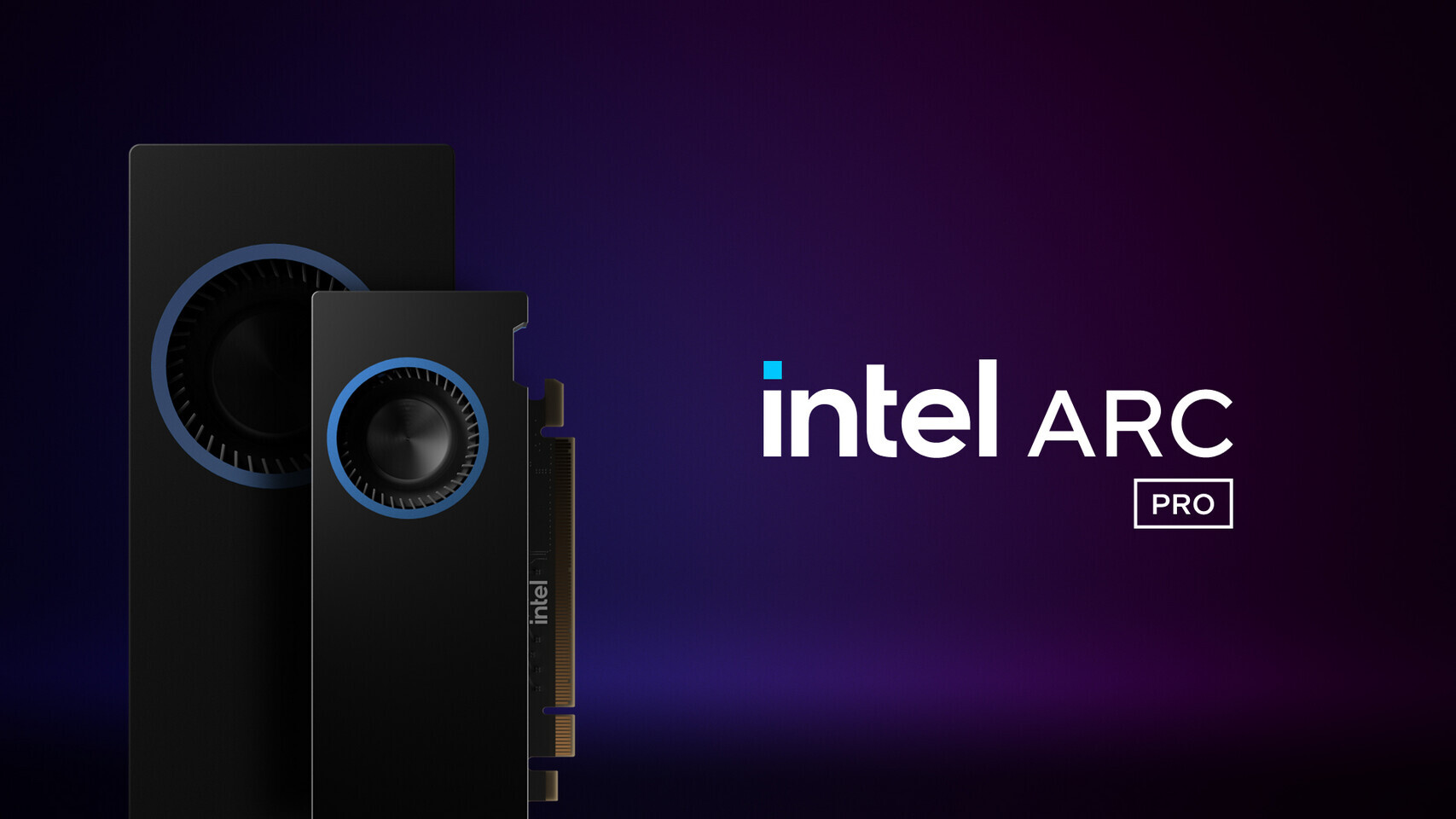
For professionals, the **Arc Pro B70** could bridge the gap between mid-range and flagship workstation GPUs, offering a compelling alternative to NVIDIA’s **RTX 50-series** cards. However, its success will depend on Intel overcoming long-standing challenges in driver optimization and software support—a hurdle that has plagued the **Arc** lineup since its debut. If the company can deliver stable performance and broad adoption, the **B70** could carve out a niche in industries where massive VRAM and compute power are critical.
The **Arc Pro B70** isn’t the only GPU in Intel’s pipeline. Earlier this year, the company launched the **Arc Pro B50** at **$349**, targeting small-form-factor workstations. The **B70**, if it arrives as expected, would sit above it, offering a more premium option for demanding workloads. Meanwhile, NVIDIA continues to dominate the high-end market with its **RTX 5080 SUPER** and **RTX 5090**, though both have seen price surges due to AI-related demand.
Key specs (if confirmed)
- VRAM: **32GB** (targeting professional workloads)
- Die: **BMG-G31** (largest in Xe2-HPG family)
- Architecture: **Xe2-HPG** (Battlemage)
- Expected launch: **Q1 2026** (paired with Core Ultra 200K+)
- Positioning: Workstation-focused, competing with NVIDIA RTX 50-series
The **Arc Pro B70**’s arrival would mark a pivotal moment for Intel’s professional graphics division. While it may not revolutionize gaming, it could finally establish Intel as a credible player in the workstation GPU market—a space where reliability, performance, and software ecosystem matter as much as raw specs.
Whether the **B70** arrives on schedule remains unconfirmed, but if it does, it could redefine Intel’s strategy for high-end graphics, leaving the **B770** and older architectures behind.