Intel is set to introduce processors that combine its CPU expertise with NVIDIA’s integrated graphics technology, marking a significant departure from its traditional in-house GPU development approach.
The move, which may debut at CES 2028, suggests Intel could leverage NVIDIA’s tile-based architecture for display and media acceleration, potentially offering a more efficient path to high-performance integrated graphics than its current Xe-based solutions. While no technical details have been confirmed, the strategy aligns with Intel’s recent shift toward modular chiplet designs, such as those seen in its 'Panther Lake' and 'Nova Lake' platforms.
Key specs and implications
- Graphics integration: NVIDIA’s GPU tile could include display engines and media accelerators, unlike Intel’s proprietary Xe graphics tile.
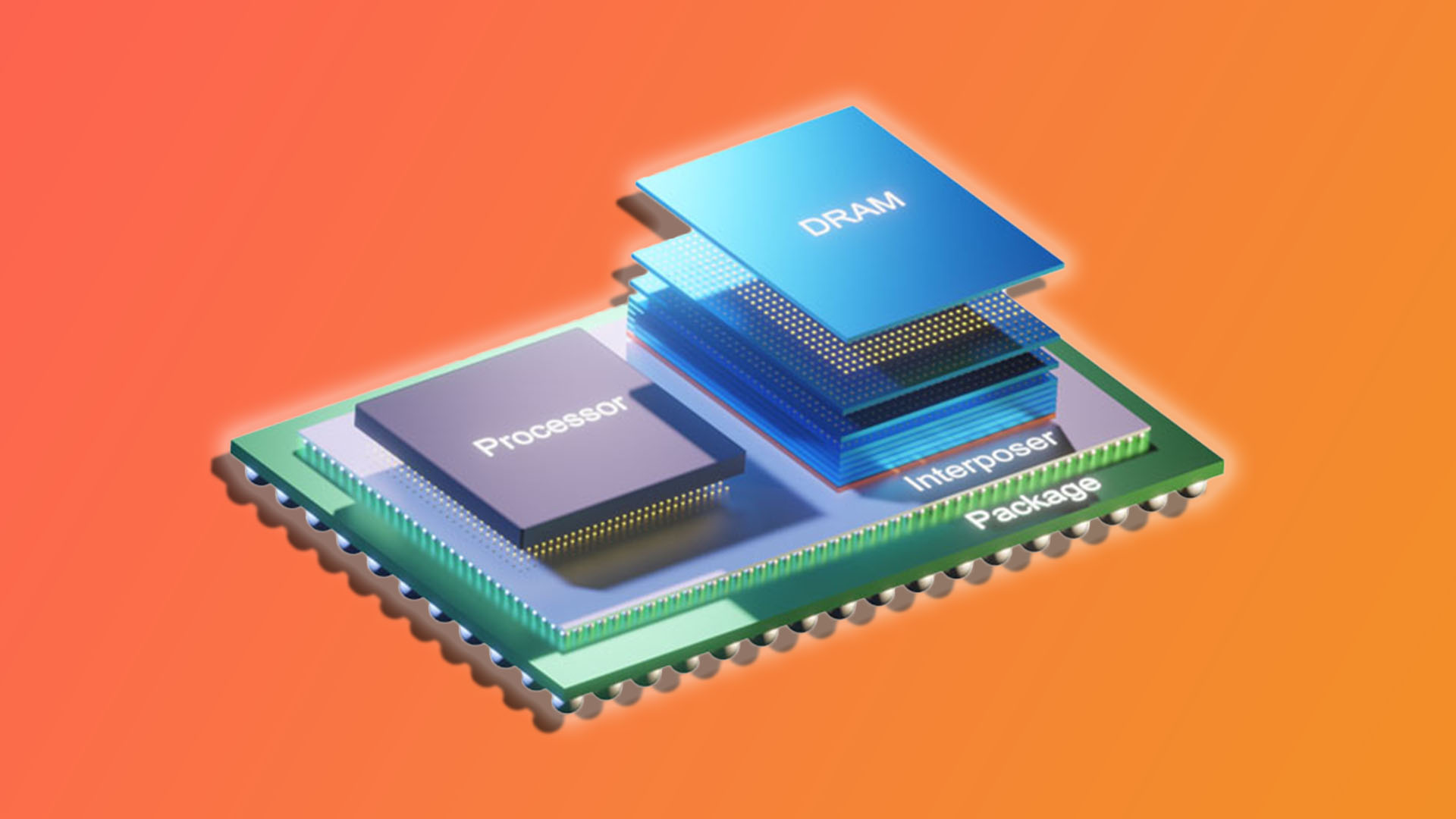
- Chiplet-based design: The processor may combine an Intel CPU die with a truncated SoC tile and a NVIDIA GPU tile, following the approach of its current disaggregated client processors.
The potential integration also raises questions about manufacturing. Reports indicate Apple is in advanced discussions with Intel regarding the use of its Intel 18A process node for some Apple Silicon products, which could influence production timelines and cost efficiency for both companies. If executed successfully, this collaboration could accelerate Intel’s return to competitive performance in integrated graphics, a segment where NVIDIA has historically held a strong lead.
Performance and market impact
A processor with NVIDIA’s iGPU would likely target mid-range systems where discrete GPUs are unnecessary but strong integrated performance is critical. For example, users running 1080p gaming or content creation workloads could see significant improvements in efficiency without the power draw of a dedicated GPU. However, the exact performance gains remain unconfirmed, and adoption would depend on software optimization and driver support from both Intel and NVIDIA.
This development also underscores the growing trend toward heterogeneous computing, where different components (CPU, GPU, NPU) are optimized for specific tasks. For IT teams evaluating hardware for 2028 refresh cycles, the integration could introduce new compatibility risks, particularly if software stacks need to support both Intel and NVIDIA architectures simultaneously.
As of now, no pricing or availability details have been announced. The focus remains on architectural validation, with a potential launch window around CES 2028. If successful, this partnership could reshape the x86 ecosystem, offering a viable alternative to AMD’s current RDNA-based integrated solutions.