Intel’s foray into the handheld gaming market with SteamOS is not just about hardware—it’s a high-stakes gamble on whether desktop-class computing can thrive outside traditional PC form factors. The company’s approach contrasts sharply with established players like Nintendo and Sony, which have refined their systems over generations to prioritize efficiency, battery life, and user experience. Intel, however, is betting that raw performance and software flexibility will justify its ambitions, even if it means trading off some of those hard-won compromises.
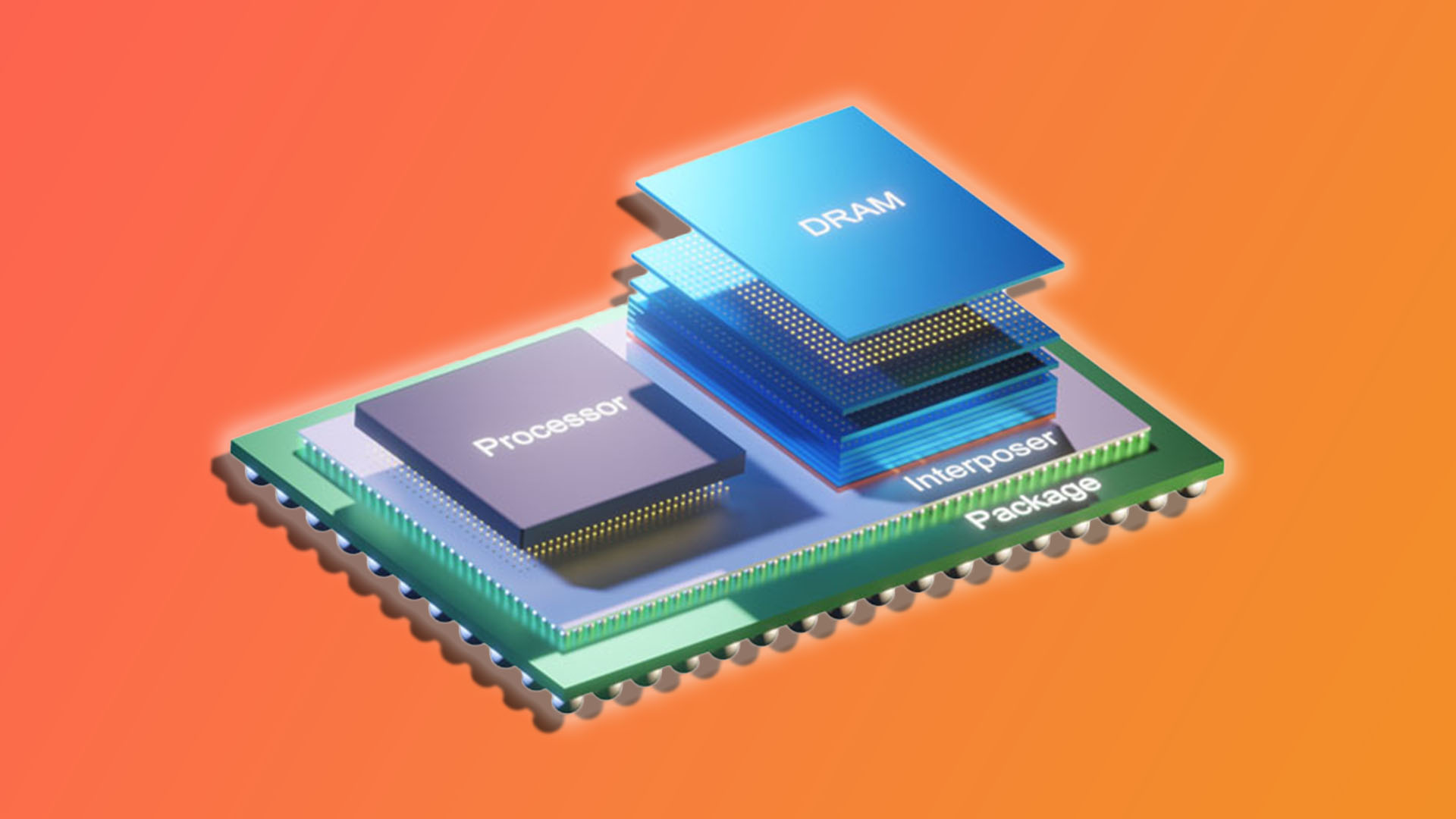
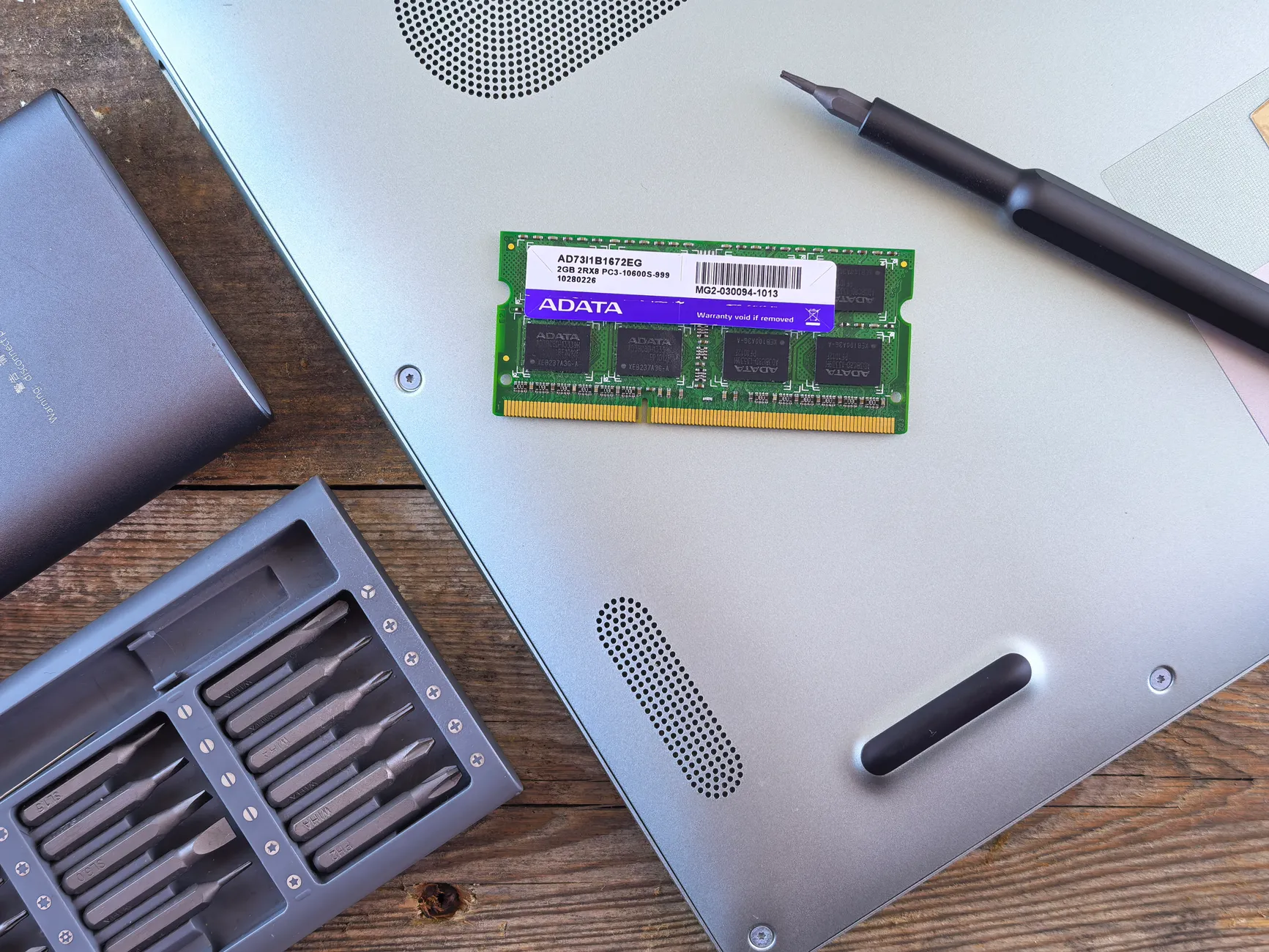
The technical specifications of the upcoming device are impressive on paper: a custom Intel CPU paired with a dedicated GPU, 8 GB of LPDDR5X RAM, and up to 1 TB of NVMe storage. These components are designed to handle demanding games while maintaining portability, but the real challenge will be thermal management. Handheld devices have historically struggled with heat dissipation, especially when pushing high-performance hardware. Intel’s roadmap suggests multiple generations of hardware over five years, each aimed at addressing these issues, but whether they can do so without sacrificing battery life or comfort remains to be seen.
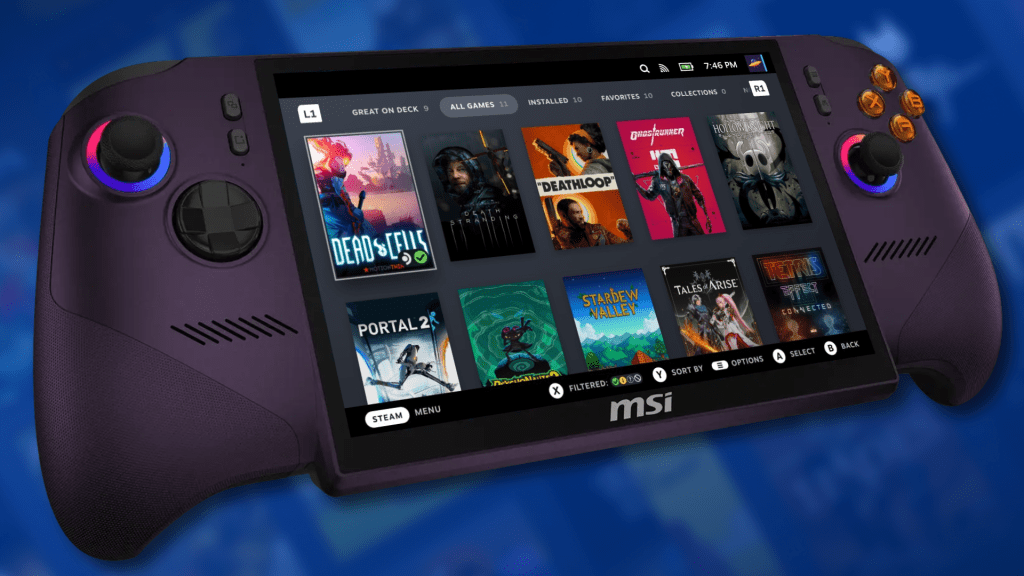
SteamOS itself is a wildcard. While Valve has built a robust ecosystem around its platform, adapting it for handheld use introduces new complexities. Users accustomed to the intuitive controls of Nintendo’s Joy-Con or Sony’s DualSense controllers may find Intel’s approach—likely centered on touchscreens and traditional input methods—less intuitive. Additionally, the software must mature quickly to compete with established mobile gaming ecosystems, which have optimized for touch and motion in ways that desktop systems have not. If Intel can bridge this gap, it could carve out a niche; if not, the device risks becoming a curiosity rather than a category-defining product.
The stakes are high for Intel. Success could position it as a leader in portable gaming, blending the power of PCs with the convenience of handhelds. Failure, however, could leave it trailing behind competitors that have spent decades refining their hardware and software for this exact use case. The first batch of devices is expected by mid-2025, but the true test will be how well Intel balances innovation with practicality—a balancing act that has tripped up even the most established players in the industry.