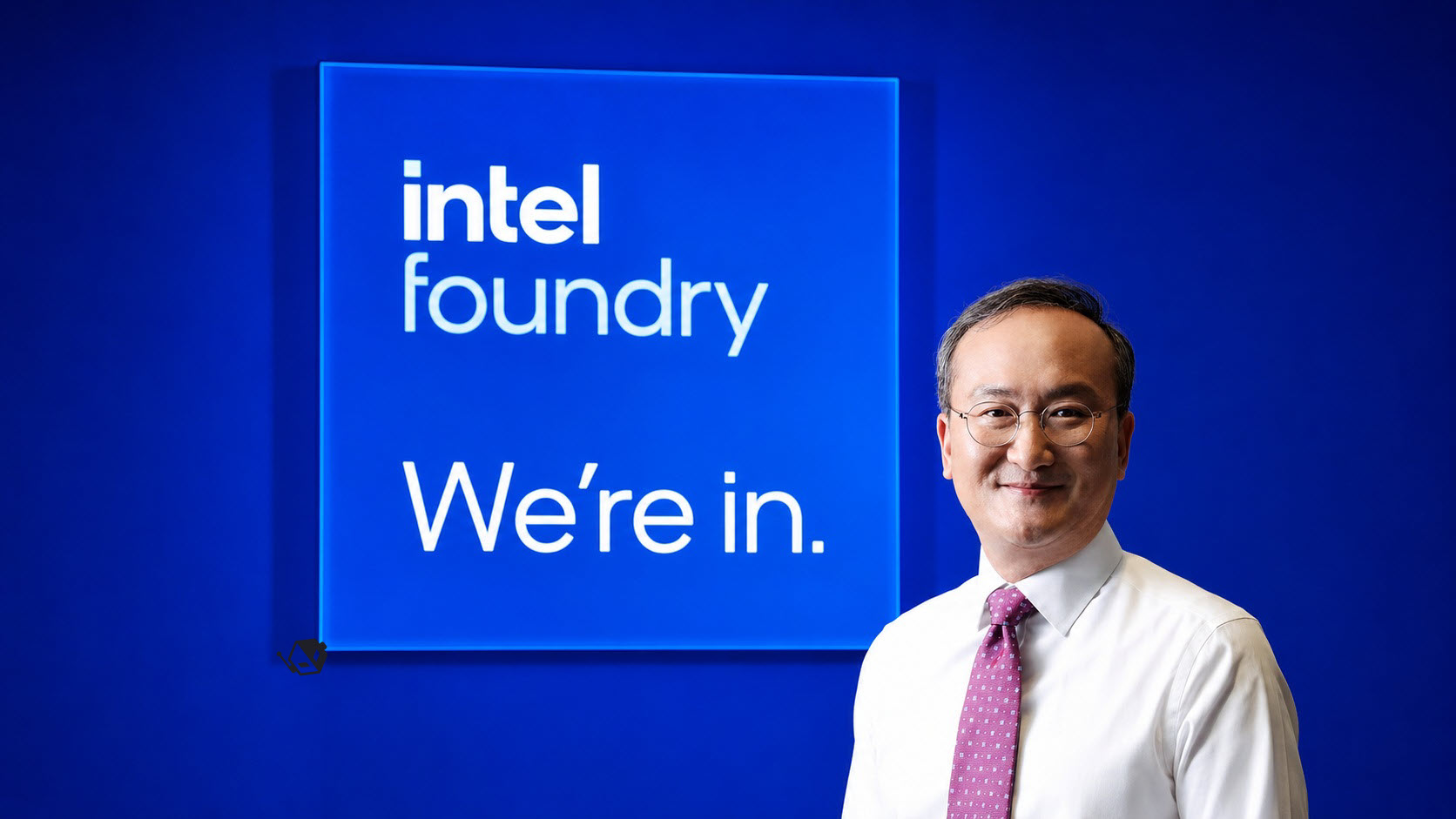
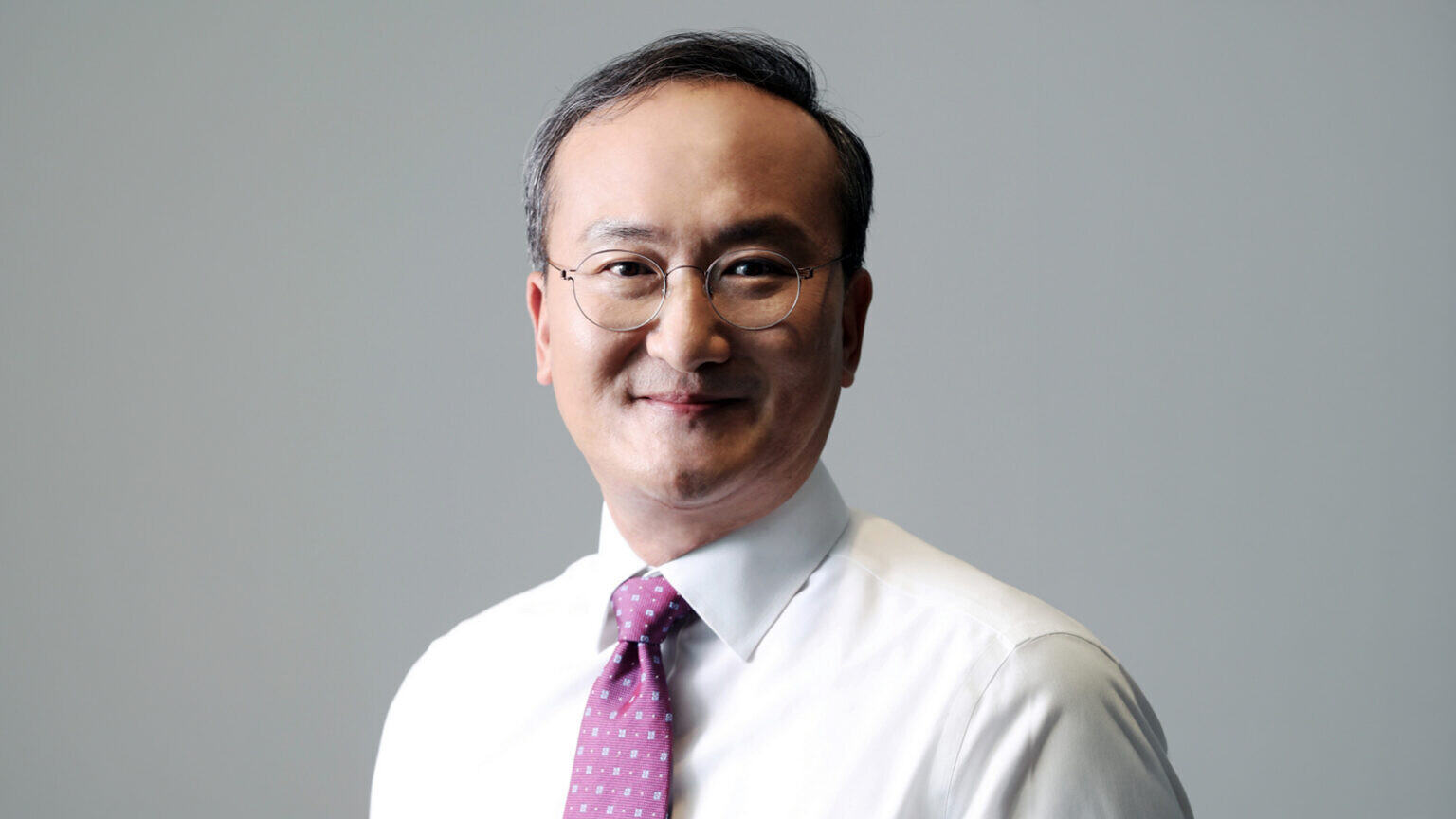
Intel has elevated Seok-Hee Lee to a leadership role that will shape its future in advanced packaging, signaling a major bet on system-level integration as a core differentiator. The move comes at a time when packaging complexity is becoming a defining factor in next-generation computing systems, particularly for AI workloads.
Lee, who joins from SK On after leading the company’s memory division, will oversee all advanced packaging development, including emerging technologies like EMIB-T and HBI. His appointment reflects Intel’s intent to solidify its position in a market where packaging is no longer just a secondary concern—it’s a critical enabler of performance, power efficiency, and heterogeneous system design.
Why Advanced Packaging Matters More Than Ever
The semiconductor industry is increasingly recognizing that raw transistor density alone isn’t enough. The ability to integrate diverse components—logic, memory, networking—into tightly coupled systems has become a competitive advantage. Intel’s push into this space with dedicated leadership suggests it aims to match rivals like TSMC and Samsung, which have long prioritized packaging innovations such as chiplet-based designs.
That’s the upside—but here’s the catch: scaling these technologies to high volume remains a challenge. Lee’s track record in manufacturing execution will be tested as Intel ramps up production for nodes like 18A and 14A, where packaging complexity is at its peak. Whether he can translate past successes into consistent yields for advanced packaging solutions will determine how quickly Intel can catch up.
Key Specs: The Foundry’s New Structure
- Leadership: Seok-Hee Lee now leads advanced packaging, system integration, and back-end development, reporting directly to CEO Lip-Bu Tan.
- Front-End Focus: Naga Chandrasekaran retains oversight of front-end technology (18A, 14A) and manufacturing, ensuring continuity in process development.
- Retirement: Navid Shahriari, a 37-year Intel veteran, is retiring, marking the end of an era in foundry operations.
The new structure suggests Intel is splitting its foundry business into distinct but complementary domains: front-end (process nodes) and back-end (packaging). This separation could streamline development, but it also introduces a risk—coordination between the two will be crucial to avoid bottlenecks in system-level innovation.
For customers, this means Intel is doubling down on its ability to deliver not just chips, but complete, integrated solutions. Whether that translates into faster time-to-market or better yields remains an open question, but Lee’s appointment sends a clear signal: packaging is no longer an afterthought.
The market reaction will be closely watched, particularly as Intel navigates competition from TSMC and Samsung in both front-end and back-end domains. If the company can execute on its advanced packaging roadmap, it could reshape the foundry landscape—starting with high-volume production in 2027.