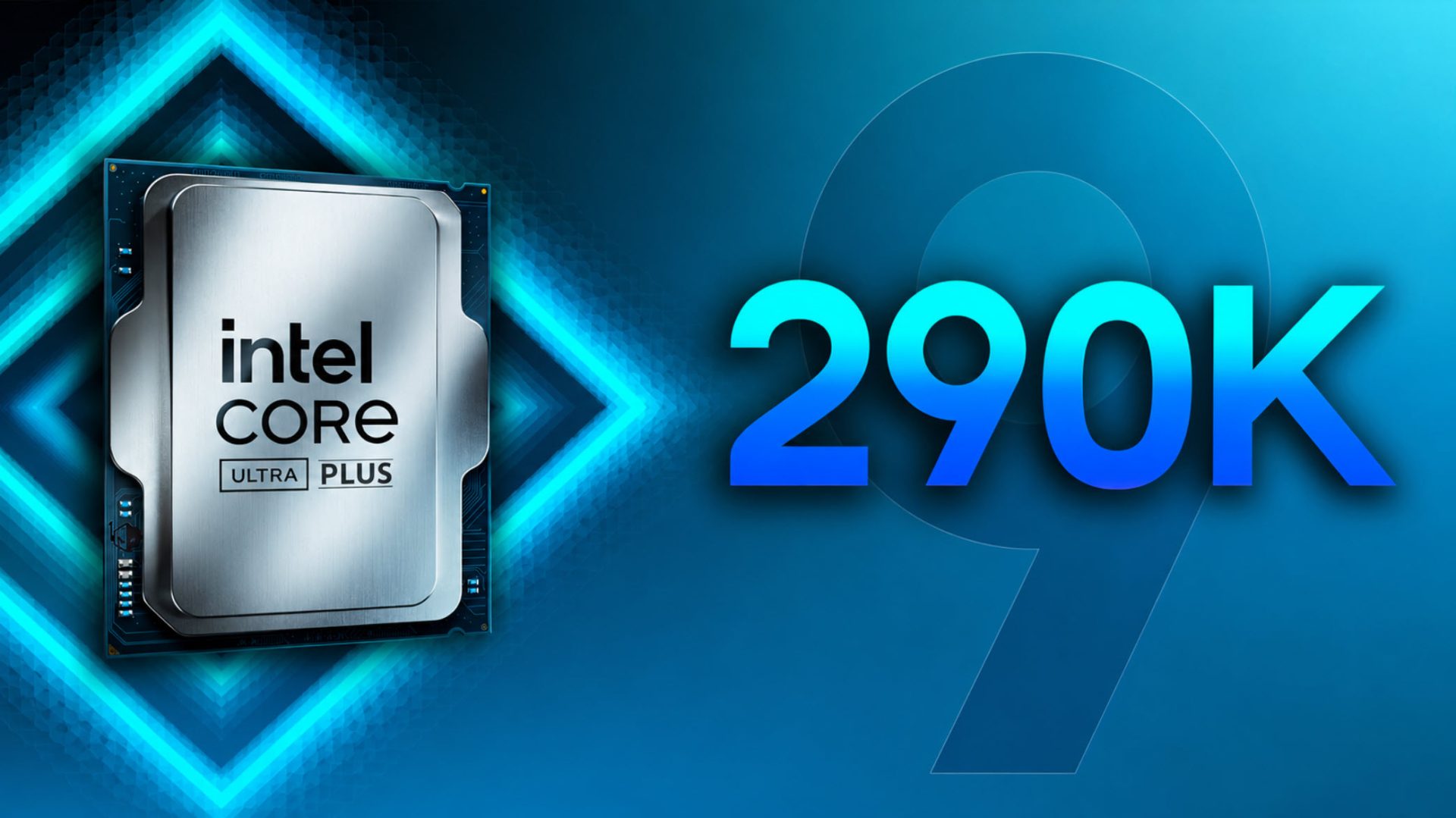
The pursuit of higher clock speeds in CPU overclocking has long been a measure of both engineering ingenuity and the physical limits of silicon. The latest record for Intel’s Core i9-14900KF, which now stands at 9206.34 MHz, is no exception. This milestone doesn’t just reflect raw performance metrics; it also serves as a microcosm of the broader challenges facing high-performance computing today, where thermal efficiency and power consumption are becoming as critical as sheer speed.
Intel’s 14th-generation desktop processors, codenamed Raptor Lake Refresh, were built with a focus on performance per watt—a shift that has redefined expectations in both overclocking communities and enterprise data centers. The i9-14900KF, with its 24-core/32-thread design, base clock of 3.2 GHz, and nominal turbo frequency of up to 6.0 GHz, is already a powerhouse. However, the record-setting run demonstrates that even with aggressive voltage tuning and liquid cooling, thermal constraints remain a defining challenge. During the benchmark, the processor operated at 1.548 volts, pushing its power consumption well beyond its official TDP of 253 watts.

- Peak frequency achieved: 9206.34 MHz
- Voltage during record run: 1.548 volts
- Power consumption during benchmark: Exceeds 253 watts TDP
- Core configuration: 24-core/32-thread
The record also highlights a growing tension in high-performance computing: the need to balance raw speed with thermal efficiency. As data workloads—from AI training to large-scale simulations—increase in complexity, the ability to sustain extreme frequencies without proportional increases in power consumption becomes paramount. The i9-14900KF’s architecture, with its deep pipeline and increased core count, is optimized for throughput, but sustaining such high frequencies comes at a cost in heat dissipation.
For practical applications, this record serves as a reminder that while clock speed remains a key metric, real-world performance depends on how well a system can manage thermal output without sacrificing stability. This is particularly relevant for AI workloads, where sustained performance over long runs is more valuable than short bursts of peak frequency. The current record may not translate directly to improved efficiency in data centers, but it does push the boundaries of what’s possible with liquid cooling and advanced voltage regulation.
Looking ahead, the next wave of records will likely focus on thermal design improvements or alternative architectures that can sustain higher frequencies without proportional increases in power consumption. For now, the 9206.34 MHz mark stands as a testament to the i9-14900KF’s potential—but also to the limits imposed by physics and engineering tradeoffs.