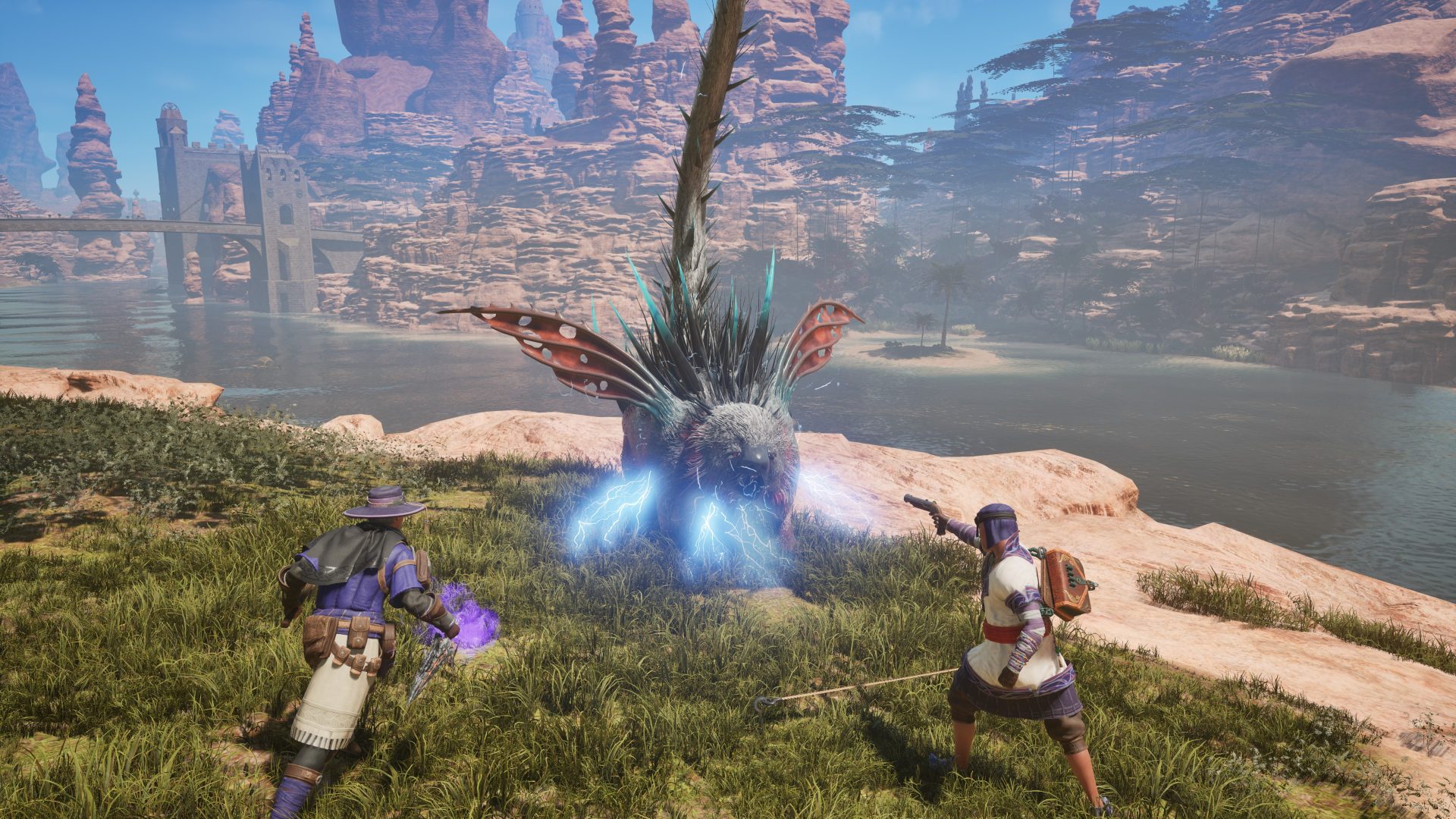
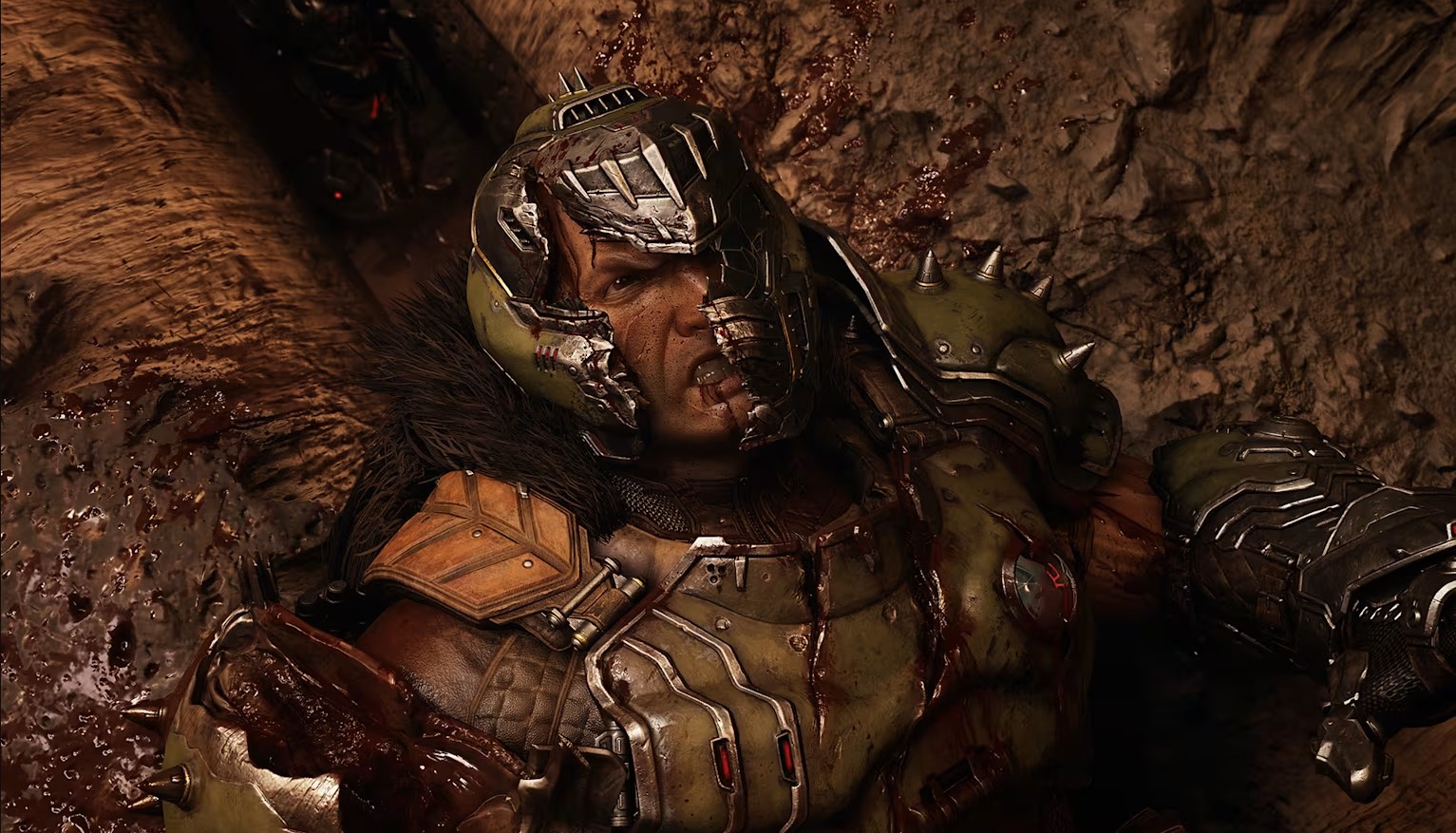
The Game Awards 2023 closed with a whimper, not a bang. Instead of the long-rumored *Half-Life 3* or another blockbuster reveal, the show’s final trailer belonged to *Highguard*, an unknown hero shooter that instantly became the internet’s punching bag. The backlash was immediate: accusations of a wasted spotlight, a rushed release, and a developer team that seemed more interested in hiding than engaging. Nearly a year later, *Highguard* is set to launch on Steam with almost no new communication—no developer interviews, no beta tests, not even a second trailer. The silence has only deepened the mystery, turning what should have been a routine launch into a case study in modern gaming’s obsession with transparency.
The irony? *Highguard* isn’t the first game to launch without fanfare, nor is it the first to face skepticism. But in an era where developers are expected to post daily updates, stream every milestone, and field questions from critics and players alike, the game’s near-total radio silence feels deliberate—and provocative. The team behind *Highguard* includes veterans of *Titanfall 2* and *Apex Legends*, studios known for their polished, community-driven releases. Yet here they are, releasing a game with minimal pre-launch engagement, as if daring the internet to care.
Why the Backlash?
The criticism stems from more than just the lack of trailers. Players and critics expected a game with this level of hype to at least attempt a beta, to share development insights, or to respond to the inevitable questions. Instead, the team behind *Highguard* has remained largely offline, save for a single tweet announcing a livestream—hardly the kind of engagement that soothes an angry fanbase. The result? A groundswell of skepticism, with YouTube videos and social media posts framing the game as a cautionary tale about how not to launch a product.
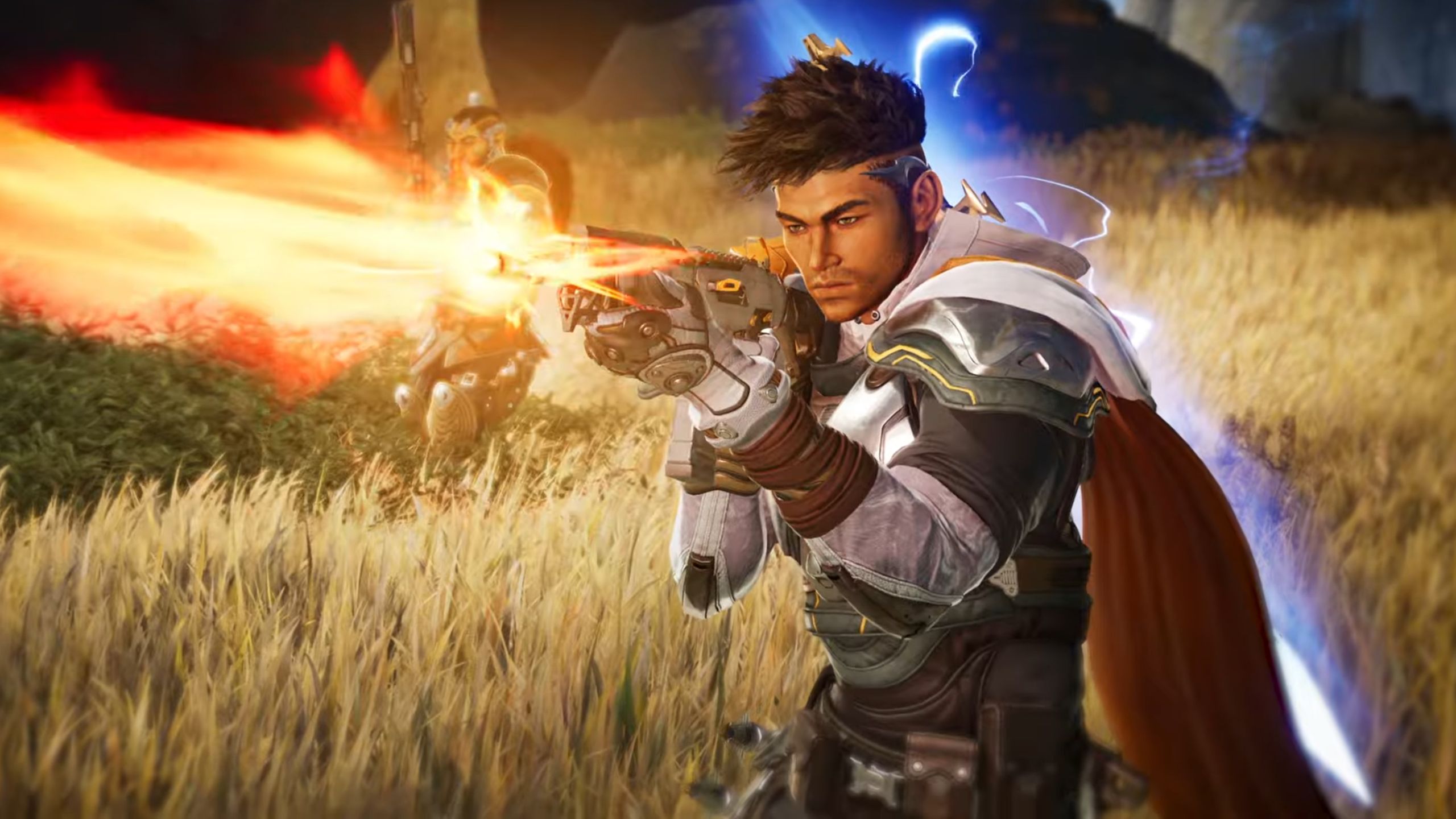
But is the outrage justified? Not entirely. Many indie and self-published games launch with little to no pre-release buzz, and *Highguard* fits that mold. The developer’s reluctance to engage isn’t necessarily a sign of malfeasance—it might simply reflect a desire to let the game speak for itself. In an age where every update is dissected, every misstep amplified, perhaps silence is the only way to avoid becoming a target.
A Shift in Developer Culture
The *Highguard* controversy highlights a broader tension in gaming culture. For decades, developers operated in relative obscurity, releasing games and letting players react. Today, that dynamic has flipped. Social media demands constant interaction—Reddit AMAs, Twitter threads, Discord updates—all to keep audiences engaged. But what happens when developers decide enough is enough?
For marginalized creators or those working on niche projects, the pressure to perform on social media can be overwhelming. Threats, harassment, and relentless criticism make engagement a risky proposition. *Highguard*’s team, after all, isn’t hiding out of malice; they’re likely exhausted by the expectation to entertain an audience that may never buy their game. The silence, then, isn’t just a marketing choice—it’s a survival tactic.
What’s Next for Highguard?
As *Highguard* prepares to launch on Steam, the real question isn’t whether it will succeed or fail—it’s whether the industry will adapt. Will developers continue to engage in the endless cycle of updates and interactions, or will some finally walk away? The *Highguard* experiment suggests that silence, once a rarity, might become a strategy. For now, the game remains a mystery, its fate tied to whether players are willing to give it a chance—or if they’ll keep shouting into the void.
One thing is certain: the debate over *Highguard* isn’t just about one game. It’s about the future of gaming culture itself—and whether developers will ever be allowed to release a product without an explanation.