A player boots up 'Neverness to Everness' on a PS5, expecting another iteration of GTA’s signature chaos—but this time, the world feels fundamentally different. The streets are crisper, the details more intricate, as if Rockstar has reimagined how urban environments can feel alive without overwhelming the experience.
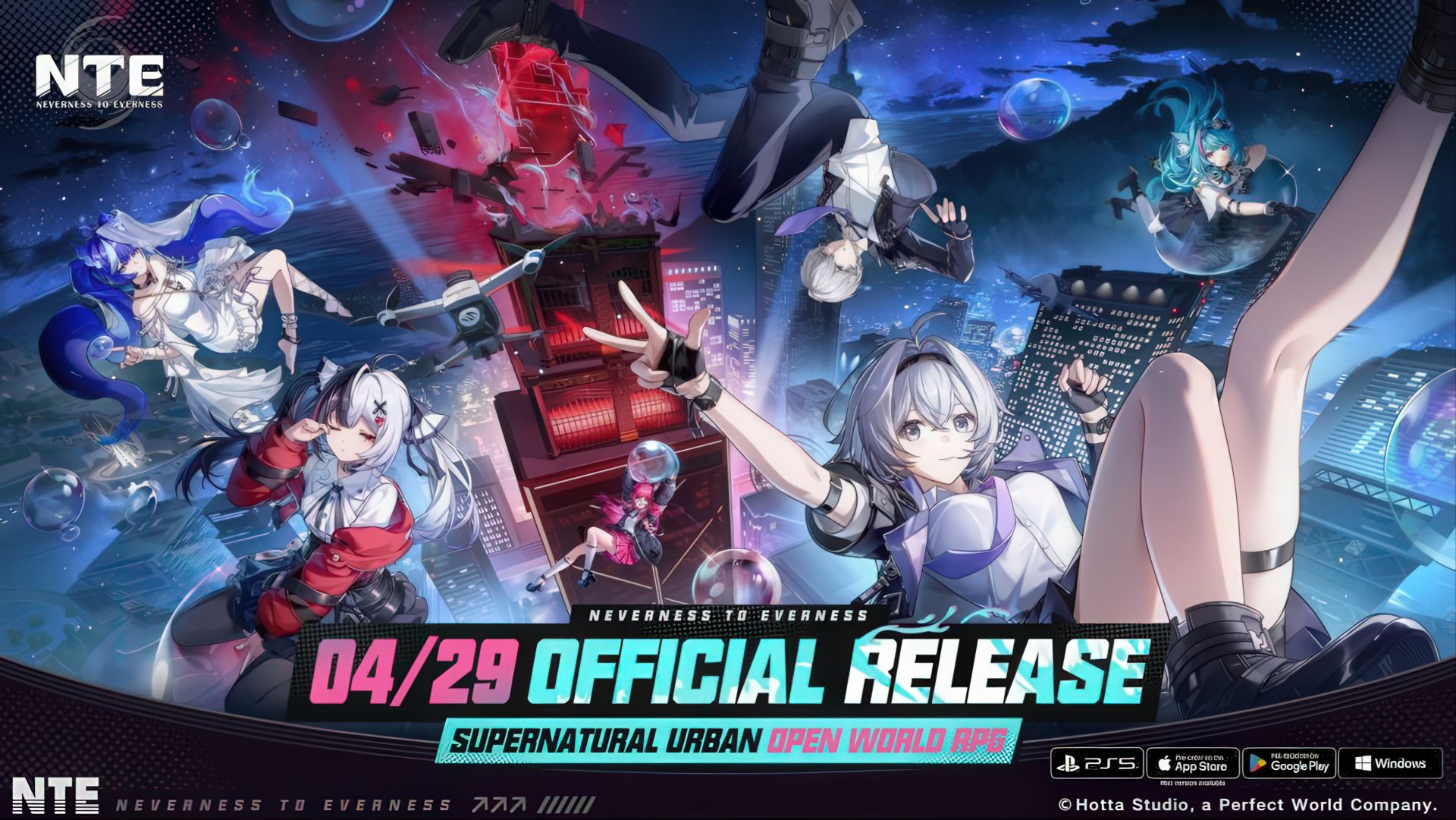
This isn’t just an evolution; it’s a redefinition. Launching April 29 on PC, PlayStation 5, and mobile, 'Neverness to Everness' pushes the boundaries of what open-world games can achieve across platforms. The focus shifts from hype to substance: how far Rockstar can stretch visuals, physics, and player agency before testing industry limits.
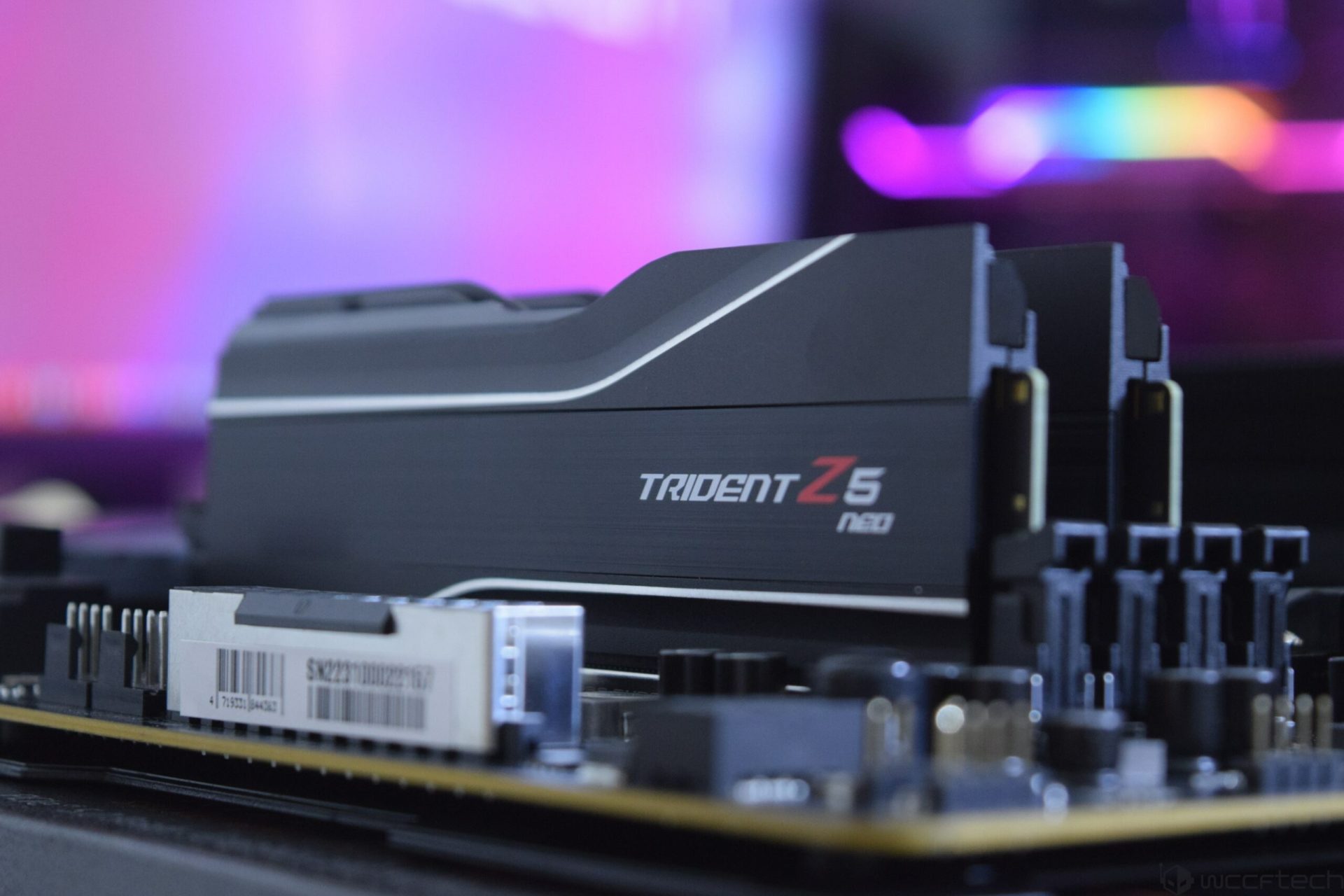
The technical foundation starts with a custom engine that treats real-time ray tracing as standard, not an optional feature. On PC and PS5, the game renders at 4K resolution, with dynamic shadows reacting to moving objects—cars, billboards, even distant traffic lights. A dedicated CPU, clocked at 3.5 GHz with support for up to 12 threads, ensures smooth performance, while 16GB of DDR5 RAM on PC builds handles dense city blocks without stutter.
- Display: 4K resolution with real-time ray tracing (PC/PS5), adaptive refresh rate on mobile
- Chip: Custom CPU at 3.5 GHz, 12-thread support
- Memory: 16GB DDR5 RAM (PC), optimized for multi-tasking in open-world environments
- Storage: 1TB NVMe SSD required (PC/PS5), cloud saves synchronized across devices
- Performance: Targets 90+ FPS on PS5, variable frame rate on mobile
The hardware demands are clear. The NVMe SSD requirement isn’t just about load times; it’s about maintaining performance when switching between driving, foot chases, and first-person exploration. On mobile, the adaptive refresh rate adjusts dynamically, but visual compromises remain—though Rockstar insists the experience stays cohesive.
Pricing is still under wraps, but leaks suggest a premium model for PC (around $80) and PS5 ($70), with mobile versions free-to-play, supported by microtransactions. Pre-orders opened quietly last week, but stock is limited to early adopters.
The real question isn’t whether this title can deliver—it’s how it will influence the industry. Open-world games are becoming more demanding, and 'Neverness to Everness' could push developers toward a future where ray tracing isn’t optional but mandatory, even for smaller studios. The challenge now is affordability: can others follow without breaking the bank?
What’s next? Rockstar has hinted at backward compatibility updates for older GTA titles on PS5, but the focus will remain on how this title reshapes open-world development. If it succeeds, the bar for immersion and performance may rise too high for anyone else to match.