Google is preparing to introduce a new lineup of laptops under the name 'Googlebook,' signaling a departure from its long-standing Chromebook branding. This transition comes as part of a broader effort to integrate advanced AI capabilities directly into hardware, with several established PC manufacturers collaborating on the project.
The new Googlebooks will be available through multiple original equipment manufacturers (OEMs), including Acer, ASUS, Dell, HP, and Lenovo. Each manufacturer is expected to offer its own version of the device, potentially featuring unique design elements such as a glowing RGB strip dubbed 'Glowbar.' While the aesthetic choices may vary, the core focus will remain on AI-driven functionality.
Key specifications for the Googlebooks have not yet been fully disclosed, but leaks suggest they will run on a new operating system codenamed 'Aluminium OS,' which combines elements of ChromeOS and Android. This OS is rumored to incorporate Google's latest AI advancements from its Gemini project, promising significant improvements in performance and user experience.
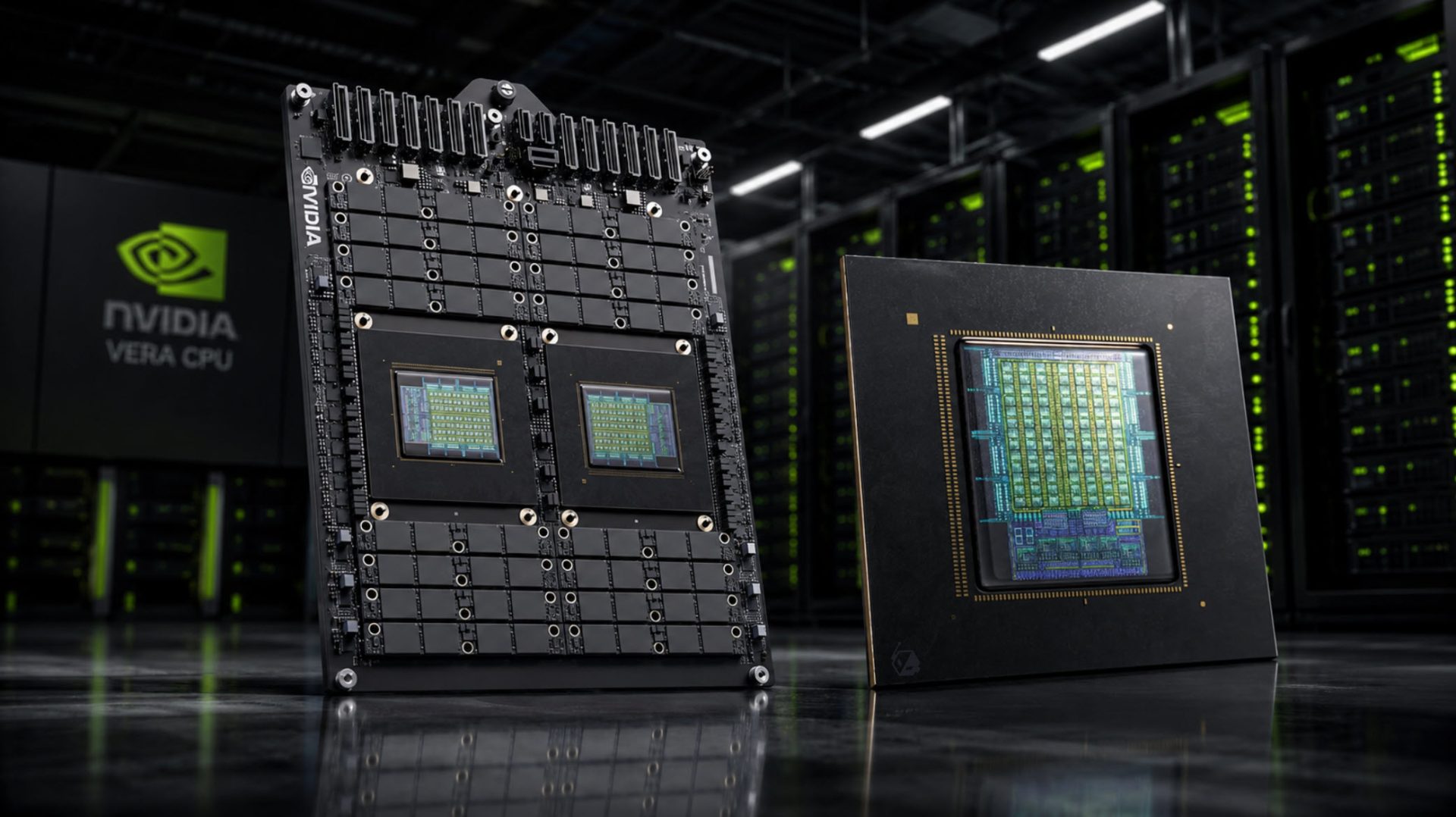
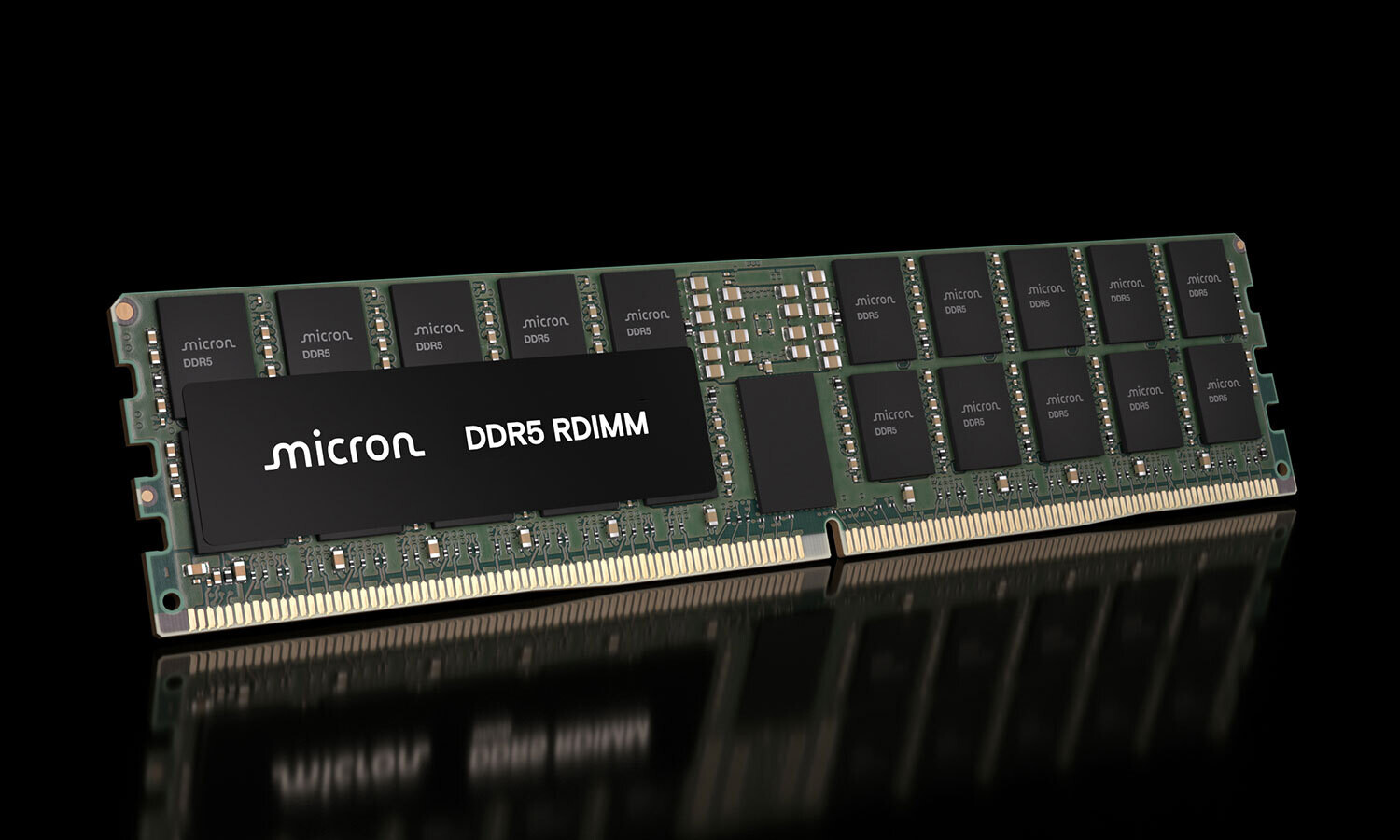
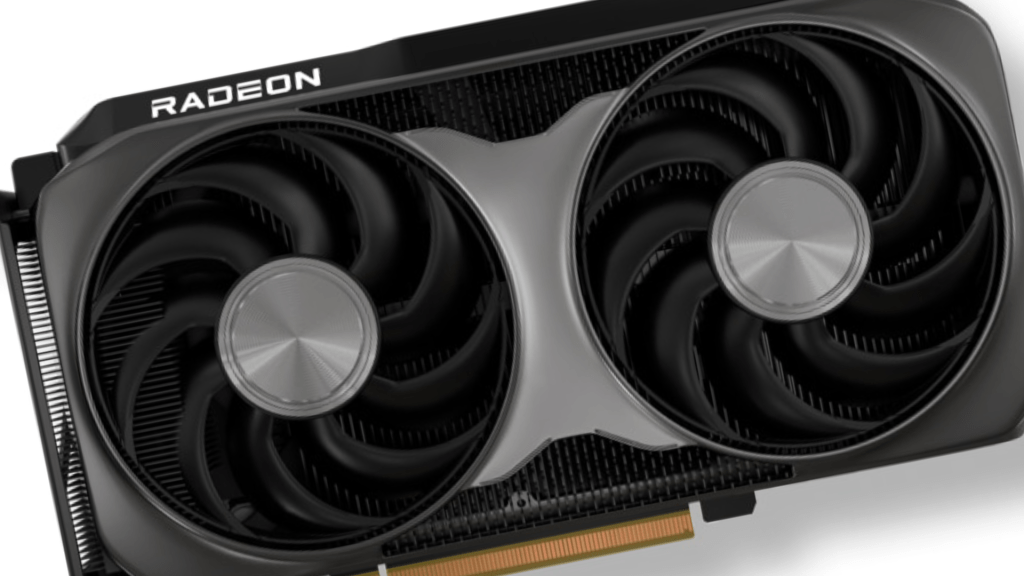
The hardware details remain unclear, but industry insiders speculate that the devices will leverage DDR4 memory modules, with capacities likely ranging from 8 GB to 16 GB. Additionally, there are indications that NVIDIA's RTX 5070 and RTX 5060 GPUs may be integrated into higher-end models, though this has not been confirmed.
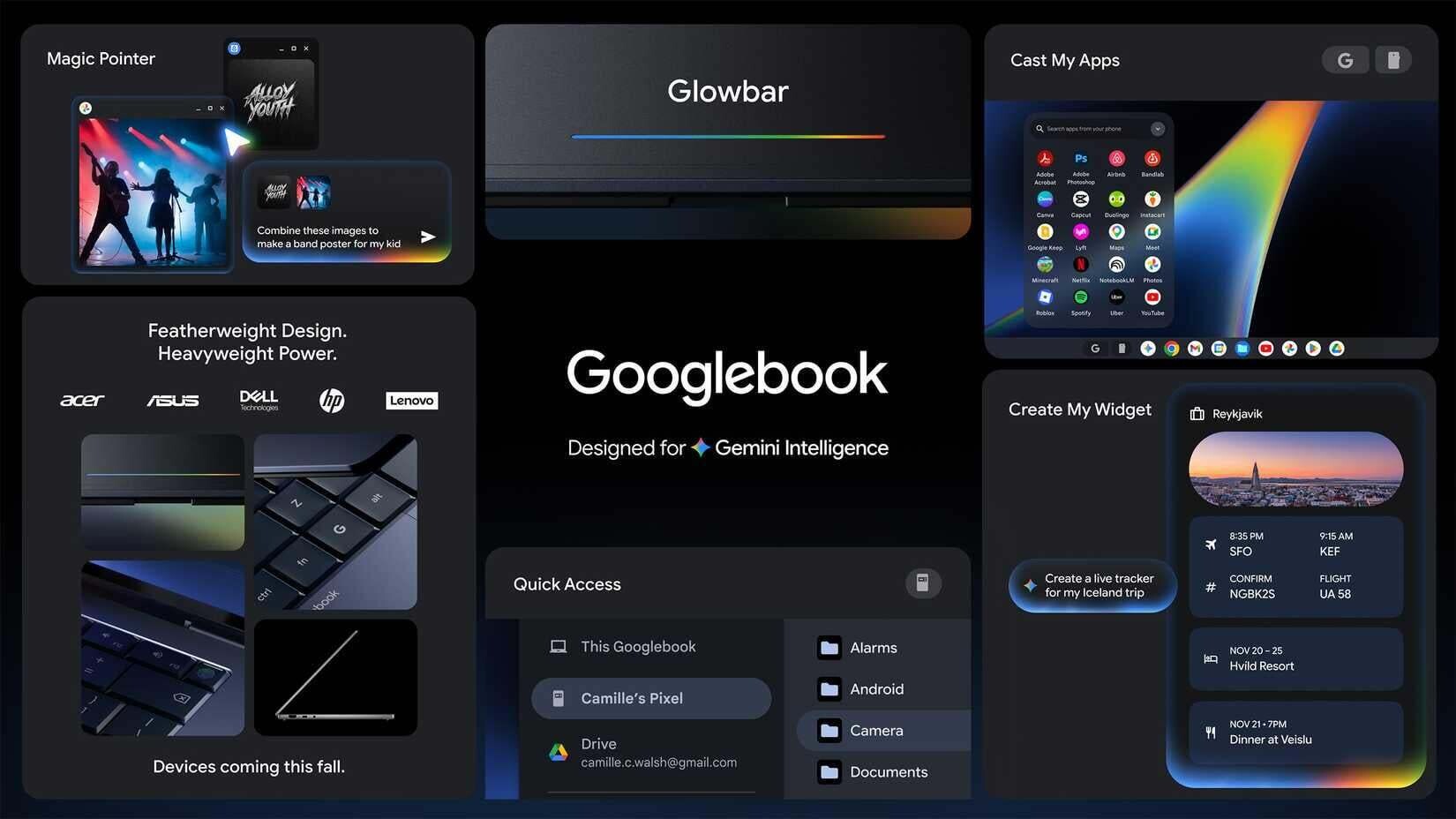
One of the standout features expected in these laptops is 'Magic Pointer,' a tool designed to provide contextual awareness by analyzing on-screen content. This could enable real-time image editing or generation using Gemini AI, similar to existing features in other AI-powered devices. Another notable addition is 'Cast My Apps,' which aims to bridge the gap between smartphones and laptops by allowing seamless interaction with Android apps directly from the laptop.
While the exact release timeline is still uncertain, Google is expected to provide more details during its upcoming Android Show I/O Edition event or in the coming weeks. The transition to 'Googlebook' represents a strategic shift for Google, focusing on AI integration and hardware customization while maintaining partnerships with key OEMs.
The new lineup will likely target users who rely heavily on data processing and AI workloads, offering enhanced performance and efficiency. However, questions remain about the compatibility of these devices with existing software and peripherals, as well as their pricing and availability in different regions.