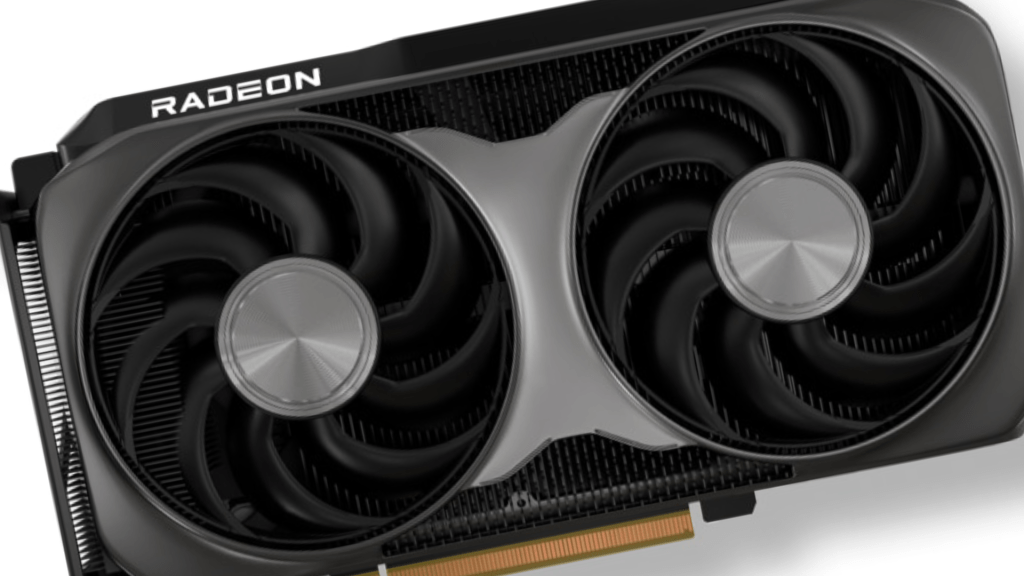
The Radeon RX 9050 is shaping up to be more than just another entry in AMD’s lineup—it may very well be the sole new desktop GPU the company introduces next year. If confirmed, this would mark a notable departure from past behavior, where multiple architectures and performance tiers typically defined each generation cycle.
Rumors suggest the RX 9050 will target mid-range performance, positioned between AMD’s existing RX 7600 and RX 7800 models. It is expected to leverage a refined version of RDNA 4, with key improvements in efficiency and ray tracing capabilities. However, its exact specifications remain fluid, leaving questions about how it might stack up against NVIDIA’s upcoming offerings.
Key Specifications
- Architecture: RDNA 4 (refined)
- Target Segment: Mid-range (between RX 7600 and RX 7800)
- Performance: Estimated to deliver up to 25% better ray tracing performance than RX 7600
- Memory: 16GB GDDR6 (expected)
- TDP: Around 200W (varies by variant)
The RX 9050’s focus on efficiency could make it an attractive option for users prioritizing power savings over raw performance. However, its placement in the mid-range segment raises concerns about market saturation, given AMD’s existing lineup already covers this space effectively.
Why It Matters
A single new GPU launch in 2026 would imply AMD is consolidating its roadmap, possibly to focus on other areas such as data center or APU development. This could leave a gap for NVIDIA if it continues to expand its GeForce lineup aggressively. For consumers, the RX 9050’s success will hinge on whether it offers tangible improvements over existing models without becoming overshadowed by more advanced alternatives.
What to Watch Next
With no confirmed release date or official announcement, the RX 9050 remains speculative. Its eventual launch could depend on broader market trends, including NVIDIA’s strategy and AMD’s priorities beyond gaming GPUs. If it materializes, it may serve as a stopgap rather than a generational leap, making its impact harder to gauge.
For now, the GPU landscape appears to be entering a period of cautious optimization rather than rapid innovation. Whether that holds true remains an open question.